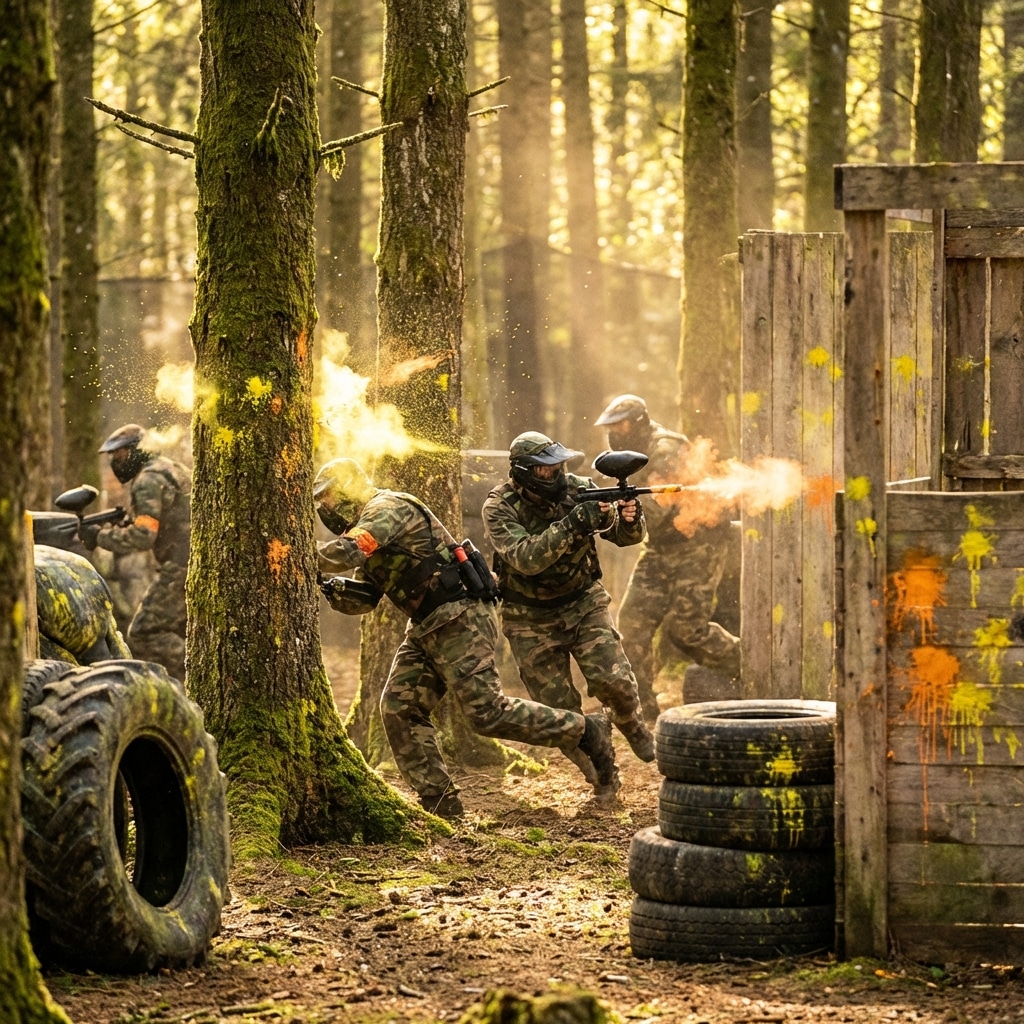
Ever dreamed of an airsoft gun perfectly tailored to your style without breaking the bank? Store-bought models can be pricey, but what if you could craft your own high-performing airsoft blaster right at home? This DIY airsoft gun project isn’t just about saving money; it’s a thrilling journey into custom design and practical engineering.
In this comprehensive guide, we’ll walk you through every step to safely and effectively build your very own homemade airsoft gun. From selecting the right materials to assembling a functional firing mechanism, get ready to transform simple hardware store items into a personalized airsoft marvel. Let’s dive into the world of DIY airsoft!
Gather Your Arsenal: Essential Materials for Your DIY Airsoft Gun
Before embarking on your crafting adventure, ensure you have all the necessary components. Most of these materials are readily available at any local hardware store, making this an accessible and affordable project for building your own airsoft gun.
PVC Pipe: Choose a sturdy PVC pipe with an inner diameter slightly larger than your BBs. This will form the core barrel of your homemade airsoft gun.
PVC Connectors & End Caps: You’ll need various connectors (e.g., T-joint, elbow) and end caps to create the firing chamber and secure the structure.
Compression Spring: The heart of your firing mechanism. Select a spring with good compression strength; experiment with different types for desired power.
Metal Rod (or Dowel): This will serve as the plunger that pushes the BB. Ensure it fits snugly within your PVC pipe without excessive friction.
Electrical Tape: Essential for securing components, preventing air leaks, and adding structural integrity.
Strong Adhesive (Super Glue or Epoxy): For permanent bonds and reinforcing crucial joints in your airsoft gun project.
Airsoft BBs (6mm): The ammunition for your custom creation. Stick to standard 6mm airsoft BBs.
Utility Knife or Saw: For precise cutting of PVC pipes to your desired dimensions.
Drill: Needed for creating holes for the BB exit, trigger pin, and securing components.
Safety Goggles & Gloves: Non-negotiable safety gear for cutting, drilling, and testing your homemade airsoft gun.
Having all your airsoft gun materials laid out beforehand will streamline your building process, allowing for a smooth and efficient assembly.
Blueprint to Blaster: Your Step-by-Step DIY Airsoft Gun Guide
Follow these detailed instructions carefully to construct a functional and reliable homemade airsoft gun. Precision in each step is key to both performance and safety for your custom airsoft gun.
Step 1: Precision Cutting Your Barrel
Begin by cutting your PVC pipe to serve as the gun’s barrel. An ideal length typically ranges from 12 to 18 inches, balancing range with maneuverability. Use a utility knife or saw to make clean, straight cuts. Smooth any rough edges with sandpaper to prevent snags and improve airflow, crucial for an effective homemade airsoft gun.
Step 2: Assembling the Firing Chamber
Attach a PVC connector (e.g., a straight coupler or a T-joint for added grip) to one end of the cut barrel. This connector forms the primary firing chamber for your DIY airsoft. Next, take an end cap and drill a small hole through its center – just wide enough for a single 6mm airsoft BB to pass through smoothly. Securely attach this drilled end cap to the open end of your connector. This creates the exit point for your BB.
Step 3: Integrating the Spring and Plunger System
Insert your chosen compression spring into the main PVC barrel. The spring should be long enough to generate significant force when compressed. Now, attach the metal rod (your plunger) to one end of the spring. Ensure this connection is extremely secure using strong electrical tape, epoxy, or a combination of both. The plunger should slide freely within the barrel without excessive wobble to ensure consistent firing in your custom airsoft gun.
Step 4: Crafting the Simple Trigger Mechanism
Drill a small, clean hole through the side of your main PVC barrel, approximately 1-2 inches from the end where the plunger will be loaded. This hole needs to be just slightly larger than the diameter of your trigger pin (a small nail, screw, or thin metal rod). When you pull the plunger rod back, it should catch on this pin. To fire your homemade airsoft gun, simply push the pin out of the hole, releasing the plunger and propelling the BB.
Safety First: Critical Precautions for Homemade Airsoft Guns
While building your own airsoft gun is an exciting project, safety must always be your absolute priority. Homemade devices can be unpredictable, making airsoft gun safety paramount. Adhere to these critical safety guidelines:
Always Wear Eye Protection: This is non-negotiable. Safety goggles are mandatory for both construction and any firing of your homemade airsoft gun.
Never Aim at People or Animals: Treat all airsoft guns, homemade or otherwise, as real firearms. Never point them at living beings.
Use Appropriate Ammunition: Only use standard 6mm airsoft BBs. Other projectiles can cause damage, injury, or gun malfunction.
Avoid Power Modifications: Do not attempt to modify your design to increase firing power beyond what basic spring mechanisms provide. Over-pressurized or powerful homemade devices can be extremely dangerous.
Test in a Controlled Environment: Always test fire your gun in a safe, secluded area, away from people and valuable objects. Use a designated target.
Understand Local Laws: Research and comply with all local, state, and national laws regarding airsoft guns, especially homemade ones. Displaying or using them in public areas can lead to serious legal consequences.
Adult Supervision: If under 18, ensure an adult supervises both the construction and use of the airsoft gun.
Responsible building and usage ensures a safe and enjoyable experience for everyone involved in your DIY airsoft project.
Why Embark on a DIY Airsoft Gun Project?
Beyond the simple satisfaction of creating something with your own hands, building a homemade airsoft gun offers a unique array of benefits:
Unmatched Customization: You have complete control over the design, barrel length, spring strength, and aesthetics. Create a gun that truly reflects your preferences.
Cost-Effectiveness: Save significantly compared to purchasing high-end airsoft replicas. This project utilizes readily available, inexpensive materials.
Educational Value: Gain practical experience in basic engineering, physics (spring mechanics, projectile motion), and problem-solving. It’s a fantastic STEM project.
Sense of Accomplishment: There’s immense pride in wielding a functional airsoft gun that you conceptualized and built yourself from scratch.
Repair and Maintenance Skills: Understanding its construction makes future repairs or modifications straightforward for your custom airsoft gun.
This isn’t just a toy; it’s a testament to ingenuity and hands-on learning.
Frequently Asked Questions About Homemade Airsoft Guns
Can Homemade Airsoft Guns Perform Like Store-Bought Models?
While a DIY airsoft gun won’t typically match the consistent precision, durability, or advanced features of a professional, manufactured model, it can certainly be effective for casual plinking and backyard fun. Careful construction and material selection can yield surprisingly good results for a homemade device.
Is It Legal to Build and Use a Homemade Airsoft Gun?
The legality of homemade airsoft guns varies significantly by jurisdiction. In many places, owning and using airsoft guns is legal, provided they are used responsibly and not in public spaces. However, certain areas may have restrictions on homemade projectile devices. Always research and comply with your local and national laws before building or using your airsoft gun.
What Are Common Mistakes to Avoid During Construction?
Improper Spring Selection: A spring that’s too weak will result in poor firing power, while one that’s too strong can make the gun unsafe or difficult to operate.
Loose Connections: Failing to securely glue or tape components can lead to air leaks, reduced performance, or structural failure in your homemade airsoft gun.
Misaligned Barrel: An uneven or rough barrel interior can cause BBs to jam or fly erratically. Smooth out any internal imperfections for better accuracy.
Neglecting Safety: Overlooking safety protocols during construction or use is a critical error with potentially serious consequences. Always prioritize airsoft gun safety.
Your DIY Airsoft Adventure Starts Now!
Building your own homemade airsoft gun is more than just a project; it’s an enriching journey that blends creativity, engineering principles, and hands-on fun. You’ve gained insights into material selection, assembly techniques, and, most importantly, crucial safety measures for your custom airsoft gun.
Armed with this comprehensive guide, you’re now ready to craft your very own custom airsoft blaster. Remember to prioritize safety and legality at every turn, ensuring a rewarding and responsible experience. Happy crafting, and enjoy the thrill of your custom-built creation!