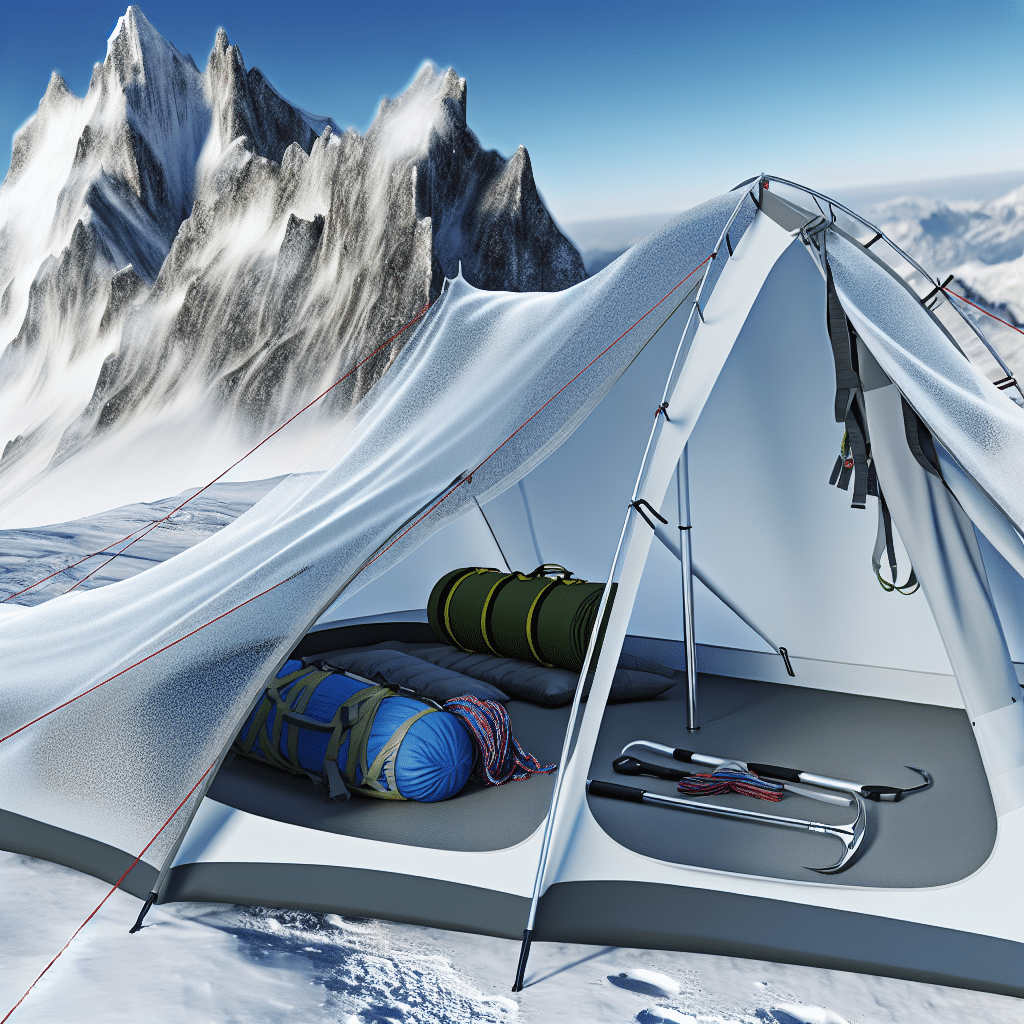
Dreaming of breathtaking vistas from towering peaks? Yearning for an adventure that challenges your limits and rewards you with unparalleled self-discovery? Mountain climbing isn’t just a sport; it’s a journey into the wild heart of nature and the depths of your own resilience.

Whether you’re an experienced trekker eager to scale new heights or an adrenaline junkie seeking your next big thrill, mastering the art of mountain climbing opens up a world of exhilaration. This comprehensive guide will equip you with the essential knowledge, skills, and planning strategies to safely conquer your first mountain and beyond, transforming you into a confident mountaineer.
Why Conquer the Peaks? The Unmatched Allure of Mountain Climbing
The draw of the mountains is primal. It’s an invitation to push boundaries, to test your physical and mental fortitude against nature’s grandeur. Reaching a summit offers more than just a magnificent view; it delivers a profound sense of accomplishment, an intimate connection with the wilderness, and memories that last a lifetime.
Is Mountaineering for You? Finding Your Vertical Path
You don’t need to aspire to Everest to experience the profound benefits of mountain climbing. From gentle alpine ascents perfect for beginners to advanced technical routes demanding expert skill, there’s a mountain adventure for almost everyone. The key is to start appropriately and gradually build your experience.
Mastering the Ascent: Core Skills Every Climber Needs
Mountain climbing is undeniably challenging, requiring a blend of physical prowess and specialized knowledge. Developing these essential skills diligently will transform a daunting prospect into a thrilling, attainable objective.
Physical Conditioning: Building a Mountain-Ready Body
The demands of high-altitude trekking and climbing are significant. A robust fitness regimen focusing on strength, endurance, and flexibility is paramount. Incorporate cardiovascular workouts like running or cycling, full-body strength training, and regular stretching into your preparation.
Technical Proficiency: Ropes, Knots, and Gear Mastery
- Knot Tying: Essential for safety systems, anchors, and securing gear.
- Belaying & Rappelling: Crucial techniques for managing ropes and descending safely.
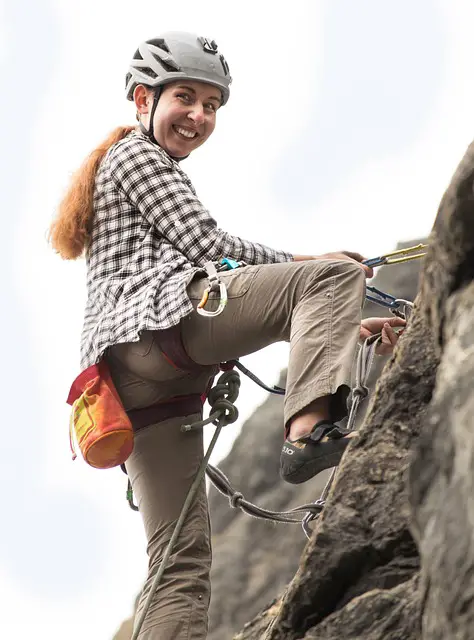
- Gear Usage: Understanding how to properly use harnesses, carabiners, ice axes, crampons, and other specialized climbing equipment.
Consider enrolling in an accredited outdoor education program or hiring a certified guide to learn these critical technical climbing skills in a safe, controlled environment.
Navigational Acumen: Finding Your Way Safely
In the wilderness, precise navigation can be life-saving. Proficiency with topographic maps, a compass, and modern GPS devices (and knowing how to use them without battery) is non-negotiable. Always have multiple navigation methods and know how to interpret terrain features.
Wilderness First Aid & Survival: Prepared for the Unexpected
Accidents can happen even to the most prepared. Basic first aid, wound care, treating hypothermia, and improvisational survival skills are invaluable. A wilderness first aid or WFR (Wilderness First Responder) course is highly recommended for any serious mountain enthusiast.
Planning Your Expedition: From Dream to Summit
A successful and safe mountain climbing adventure is built on meticulous planning. The mountains are unforgiving of complacency, so thorough preparation is your best ally.
Choosing Your Mountain: A Realistic Approach
- Assess Your Experience: Be honest about your fitness level and climbing expertise.
- Research Thoroughly: Investigate the mountain’s specific challenges, weather patterns, best climbing routes, and potential hazards.
- Consider a Guide: For complex climbs or if you’re new to a region, a local, certified mountain guide can be an invaluable asset.
Essential Gear Checklist: Investing in Safety and Performance
High-quality, well-maintained climbing gear is not just equipment; it’s your lifeline. Your investment should include a durable harness, a sturdy helmet, appropriate climbing shoes, reliable ropes, and specific technical tools like ice axes and crampons when conditions demand.
Beyond technical gear, proper clothing layers suited for dynamic mountain weather – from moisture-wicking base layers to waterproof outer shells – are critical for comfort and survival.
Crafting Your Climbing Itinerary & Emergency Protocol
Develop a detailed plan outlining your route, estimated ascent and descent times, turnaround times, and designated emergency rendezvous points. Crucially, share this comprehensive plan with a trusted contact who is not part of your climbing party. They should know when to expect your return and when to alert authorities if you’re overdue.
Weather Wisdom: Reading the Mountain’s Mood
Mountain weather is notoriously fickle and can change dramatically within hours. Always check multiple reliable weather forecasts immediately before and even during your climb. Be prepared to turn back if conditions deteriorate, as safety should always override summit fever.
Embark on Your Vertical Adventure
Mountain climbing is a profound test of your physical and mental resilience, but the intrinsic rewards are immeasurable. The sense of achievement, the breathtaking panoramas, and the personal growth you experience are unparalleled. With the right training, meticulous planning, and top-tier equipment, you’ll be ready to face the challenge and claim your own summit.
Always prioritize safety: climb with experienced partners, carry comprehensive emergency supplies, and intimately understand your own limits. The mountains will always be there; your safety is paramount. Happy climbing, and may your adventures take you to new, incredible heights!