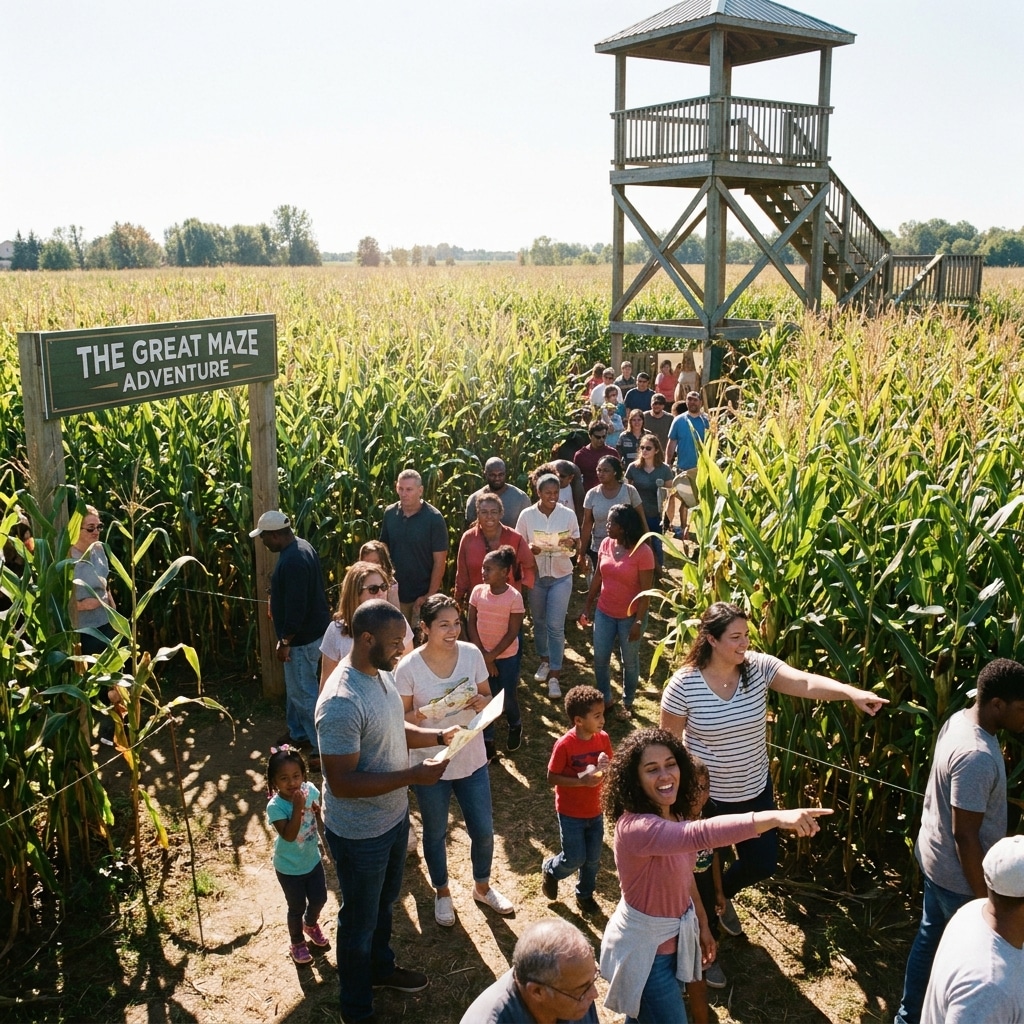
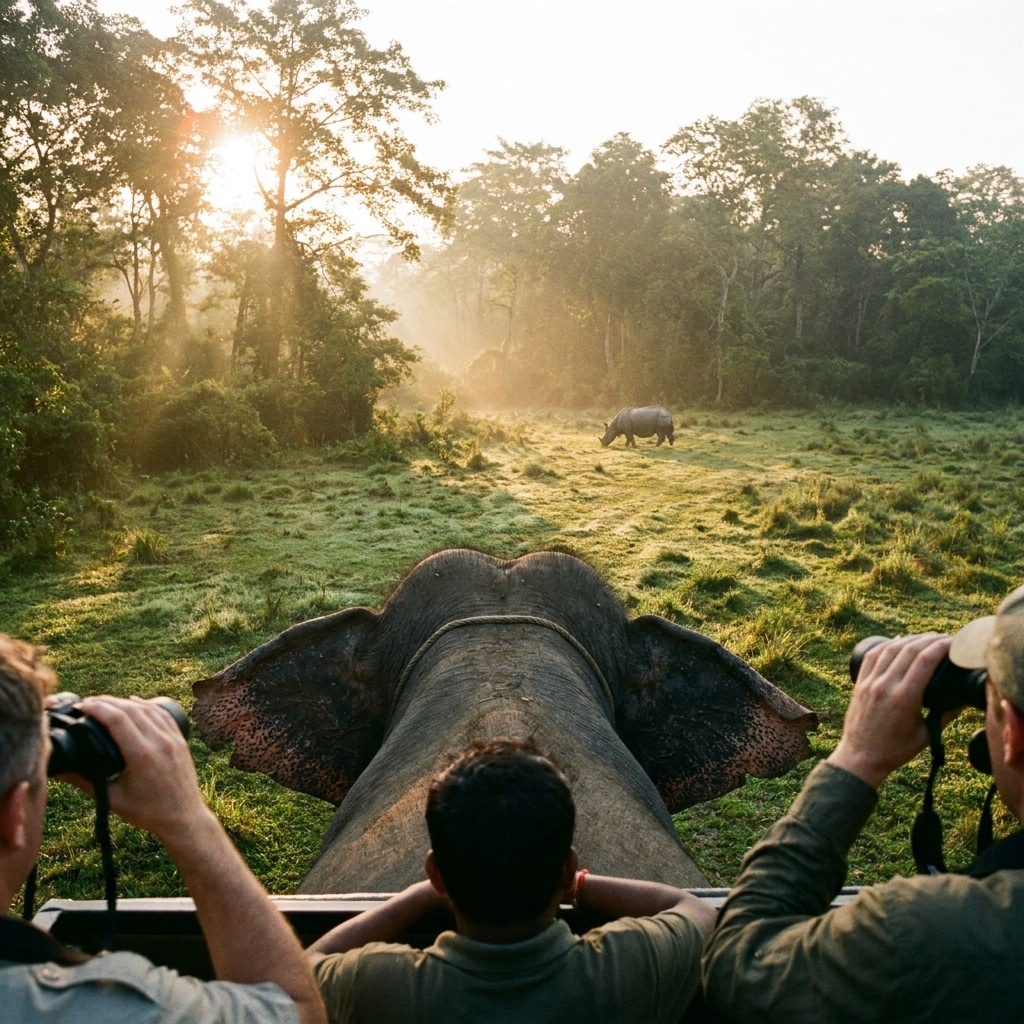
Are you yearning for an outdoor activity that challenges both your body and your mind? Do you crave adventure beyond the typical trail hike, one that sharpens your problem-solving skills while immersing you in nature? Then it’s time to discover orienteering – a dynamic sport that transforms navigation into an exhilarating race against the clock and the terrain.
This comprehensive guide will equip you with everything you need to start your orienteering journey. From understanding the basics of map and compass navigation to mastering advanced techniques, prepare to unlock a world of exploration and personal growth.

What is Orienteering? Your Ultimate Outdoor Brain & Body Workout
Orienteering is an adventure sport originating in Sweden, where participants use a detailed map and a compass to navigate through unfamiliar terrain, identifying control points along a predetermined course. The goal is simple: find all the control points in the correct order and reach the finish line in the shortest possible time.
It’s more than just a race; it’s a test of strategy, decision-making, and physical endurance. Whether you’re traversing dense forests, scaling rocky hills, or weaving through urban landscapes, orienteering offers a unique blend of mental challenge and thrilling outdoor activity.
Why Embrace the World of Orienteering?
Diving into orienteering offers a wealth of benefits that extend far beyond the finish line:
- Boost Physical Fitness: From running and hiking to climbing and jumping, orienteering is a full-body workout that improves endurance, agility, and strength.
- Sharpen Mental Acuity: It’s a constant puzzle. You’ll enhance problem-solving, critical thinking, and decision-making skills under pressure.
- Connect with Nature: Explore diverse natural environments, discovering hidden gems and appreciating the beauty of the outdoors away from marked trails.
- Cultivate Self-Reliance: Navigate independently, trust your instincts, and build confidence in your ability to handle unexpected challenges.
- Learn a Lifelong Skill: Map and compass navigation are invaluable skills for any outdoor enthusiast, applicable to hiking, backpacking, and survival situations.
Gear Up: Essential Orienteering Equipment for Your First Adventure
Before you embark on your first orienteering course, ensure you have the right tools. Proper gear will enhance your experience and keep you safe.
1. The Orienteering Map
This isn’t your average road map. Orienteering maps are highly detailed topographic maps, specifically designed for navigation. They use unique symbols and contours to depict terrain features like vegetation density, rock formations, and elevation changes with incredible precision.
Each control point you need to find will be clearly marked on this specialized map, guiding your journey through the course.
2. Baseplate Compass
Your compass is your indispensable navigation partner. A reliable baseplate compass helps you orient your map to the actual terrain, take accurate bearings, and maintain your direction as you move between control points.
Look for one with a clear baseplate, a rotating bezel, and declination adjustment if you’re navigating in different regions.
3. Suitable Clothing
Dress for success and protection. Opt for moisture-wicking, quick-drying athletic wear. Long sleeves and pants are highly recommended to shield you from scratches, insects, and harsh weather conditions, especially in dense undergrowth.
4. Trail Running Shoes
Good footwear is crucial. Choose lightweight, rugged trail running shoes with excellent grip to provide traction on uneven, muddy, or rocky terrain. Ensure they are comfortable enough for extended periods of running and walking.
Optional, But Recommended Gear:
- Whistle: For signaling in emergencies.
- Small First-Aid Kit: For minor injuries.
- Hydration Pack/Bottle: Staying hydrated is key during physical exertion.
- Sportwatch with GPS (for tracking, not navigation): Helpful for analyzing your performance after the race.
How to Orienteer: A Step-by-Step Guide for Beginners
Ready to put your skills to the test? Here’s a breakdown of the fundamental steps to successful orienteering.
1. Master Your Map
- Contours: Learn to read contour lines, which depict elevation. Close lines mean steep terrain; widely spaced lines indicate flatter ground.
- Symbols: Familiarize yourself with the map legend. Different symbols represent specific natural (e.g., boulders, marshes) and man-made features (e.g., fences, roads).
- Scale: Understand the map’s scale (e.g., 1:10,000 means 1 unit on the map equals 10,000 units in reality) to estimate real-world distances.
2. Orient Your Map to the Terrain
This is critical. Hold your map flat and align it so that the features on the map directly correspond with the features you see around you. Use your compass to point the map’s north arrow towards true north. This “setting the map” ensures you’re always moving in the right direction relative to your surroundings.
3. Plan Your Attack (Route Choice)
Before you move an inch, study the route to your next control point. Consider various paths: Is the shortest route too difficult due to dense vegetation or steep hills? Sometimes a slightly longer path following a “handrail” (a linear feature like a path or stream) is faster and more reliable.
4. Navigate with Precision
Once you’ve planned your route, take a bearing with your compass towards your first control point. Keep checking your map frequently, using “thumbing the map” (keeping your thumb on your current location) to track your progress. Look for prominent “catching features” – identifiable landmarks that tell you when you’ve gone too far.
5. Punch In at the Control Point
Upon reaching a control point, you’ll find an orange and white marker. Most events use an electronic punching system (e.g., SportIdent or SI-card) to register your visit. Always double-check that the control code on the marker matches the one on your map to confirm you’re at the correct location.
6. Repeat and Refine
After successfully finding and registering at a control point, immediately repeat the process for the next one. Continuously practice these steps; consistent application is key to improving your orienteering skills and efficiency.
Common Mistakes and How to Avoid Them
Even experienced orienteers make mistakes. Being aware of common pitfalls can help you avoid unnecessary delays and frustration.
- Poor Map Management: Don’t just stuff your map away. Keep it in a protective map case, easily accessible, and referenced constantly. Always know where you are on the map.
- Over-Reliance on the Compass: While essential, the compass is a tool, not a substitute for map reading and terrain association. Use it in conjunction with your map and visual cues from the landscape.
- Underestimating Terrain: A straight line on a map might mean a bushwhack through impenetrable thickets or a dangerous climb in reality. Always assess the terrain and choose the most efficient and safe route.
- Panic When Disoriented: If you feel lost, don’t panic and keep moving aimlessly. Stop, breathe, and use “relocation” techniques to regain your bearings (see advanced techniques below).
Beyond Basics: Elevating Your Orienteering Game (Advanced Techniques)
Once you’ve mastered the fundamentals, these advanced orienteering techniques can shave minutes off your time and boost your confidence.
- Relocation: If you find yourself off course, don’t despair. Stop, pinpoint a known feature on your map (e.g., a path, stream, or prominent hill) and use it to re-establish your position.
- Attack Points: Identify large, unmistakable features close to a control point. Navigate quickly to this attack point, then make a precise, short navigation to the control.
- Aiming Off: Intentionally aim slightly to one side of a linear catching feature (like a long fence or river) that runs perpendicular to your bearing. When you hit it, you’ll know exactly which way to turn.
- Contour Interpretaion: Develop the ability to visualize the 3D terrain from the 2D map. This allows you to plan routes that exploit subtle changes in elevation for easier travel.
- Pace Counting: Learn to measure distance by counting your paces for a known distance (e.g., 100 meters). This is crucial for navigating when visibility is poor or features are sparse.
Ready for Your Next Adventure? The Lifelong Rewards of Orienteering
Learning how to orienteer is far more than just picking up a new hobby; it’s an investment in a versatile skill set. The critical thinking, resilience, and appreciation for nature you gain will serve you well in all aspects of life.
Orienteering is a truly inclusive sport, welcoming individuals of all ages and fitness levels. So, grab your map and compass, and step into the incredible world of outdoor navigation. Your next adventure awaits!