Imagine hitting the trail, the sun on your face, the scent of pine in the air – but with every step, your shoulders ache, and your back screams. Or worse, you realize you’ve forgotten that one crucial piece of gear miles from civilization. Sound familiar? The secret to a comfortable, safe, and truly enjoyable backpacking trip isn’t just about what you bring, but how you pack it.
Mastering how to pack for backpacking transforms your outdoor experience from a struggle into an effortless adventure. This guide will equip you with expert backpacking packing tips, ensuring every item has its place and your pack feels lighter than ever. Get ready to conquer the trail, not your gear.
Why Efficient Backpacking Gear Packing is Non-Negotiable
Packing efficiently for backpacking isn’t merely about fitting everything into your pack; it’s the bedrock of a successful and comfortable outdoor journey. An overloaded or poorly organized backpack can quickly turn a dream trip into a miserable ordeal, leading to fatigue, potential injury, and constant frustration.
Conversely, a well-packed backpack enhances your mobility, improves safety by allowing quick access to essentials, and frees you to fully immerse yourself in nature. It’s about smart planning, not just strong muscles.
Prioritizing Your Backpacking Essentials
Before you even think about organization, prioritize your backpacking essentials. Ask yourself: “Do I truly need this, or merely want it?” Focus on the fundamental categories crucial for survival and comfort in the backcountry.
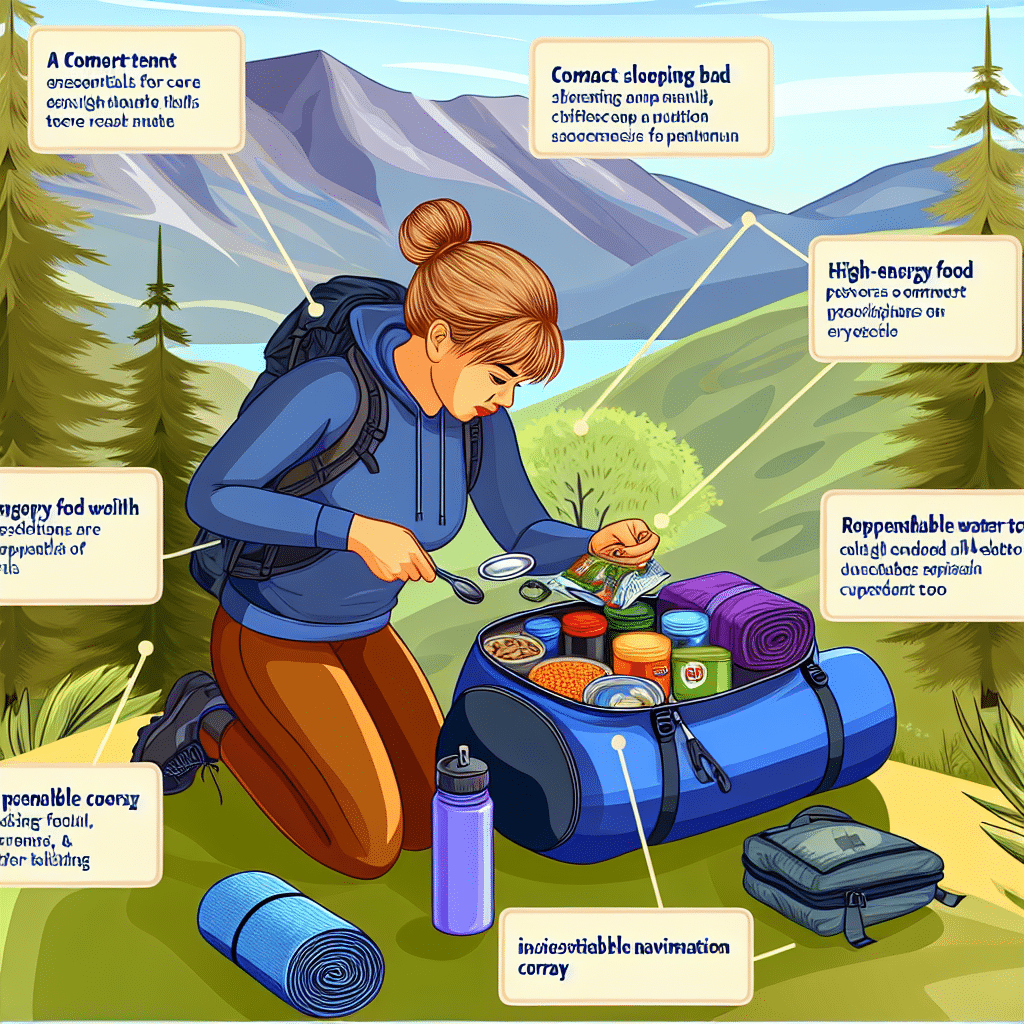
Shelter & Sleep System: Your tent, sleeping bag (rated for expected temps), and sleeping pad are your mobile home. Choose lightweight, durable options appropriate for the weather and terrain.
Food & Hydration: Pack high-calorie, nutrient-dense, and lightweight foods. Crucially, always carry a reliable water purification system – filter, purifier, or tablets – along with enough water bottles or a hydration reservoir.
Appropriate Clothing Layers: Think “systems” not just single items. Pack moisture-wicking base layers, an insulating mid-layer, and a waterproof/windproof outer shell. Always avoid cotton.
Navigation & Safety Gear: A fully charged phone with offline maps, a physical map, compass (and knowing how to use it!), a headlamp with extra batteries, a comprehensive first-aid kit, and a multi-tool are non-negotiable backpacking safety gear.
Sun & Insect Protection: Sunscreen, insect repellent, sunglasses, and a wide-brimmed hat protect you from the elements.
Mastering Backpack Organization: The “How-To” of Efficient Packing
Once you’ve curated your backpacking gear, the next critical step is organizing it within your pack. The goal is even weight distribution, stability, and easy access to items when you need them most. Forget haphazard stuffing; embrace strategic placement.
The Three-Zone Packing Method for Optimal Balance
A time-tested strategy for packing a backpack is the “Three-Zone” method. This technique ensures your pack remains stable and comfortable over long distances by distributing weight intelligently.
Bottom Zone (Light & Bulky): This is for items you won’t need until camp, like your sleeping bag, camp clothes, or an inflatable sleeping pad. Packing lighter, bulkier items at the bottom creates a stable base and reduces sway.
Middle Zone (Heavy & Dense): Place your heaviest backpacking gear here, close to your back, between your shoulder blades. This includes food, cooking pot, water reservoir (if internal), and denser items. Centering the weight here prevents your pack from pulling you backward.
Top Zone (Light & Accessible): For items you’ll need frequently or quickly throughout the day. Think rain gear, extra layers, snacks, map, first-aid kit, and water filter. Easy access means less stopping and fumbling.
Smart Use of External Pockets & Straps
Don’t overlook your pack’s external features. Side pockets are ideal for water bottles or trekking poles you might stow. The brain (top lid) is perfect for a compass, GPS, headlamp, and small personal items.
However, use external straps cautiously. While useful for securing bulky items like a foam pad or tent, over-cluttering the outside can throw off your balance, snag on branches, and even get lost. Keep only frequently accessed or oversized items here.
Advanced Packing Techniques for Comfort & Speed on the Trail
Beyond just where you put things, how you pack them can significantly impact your comfort and the overall efficiency of your backpack organization. These backpacking packing tips will help you maximize space and protect your gear.
Compression & Smart Organization with Stuff Sacks
Utilize gear-specific bags to streamline your pack.
Compression Sacks: Indispensable for bulky items like sleeping bags and clothing layers. They significantly reduce volume, freeing up precious internal space.
Stuff Sacks & Dry Bags: Use these to categorize and protect your gear. Group similar items (e.g., all cooking supplies, all electronics). Dry bags are crucial for sensitive electronics, extra clothing, and anything you absolutely need to keep dry, regardless of weather. Color-coding different sacks makes finding items a breeze.
Bear Canisters: If required, ensure your bear canister is packed horizontally, often in the middle zone, for optimal weight distribution. Fill it with food and scented items.
Roll, Don’t Fold: The Space Saver Technique
When packing clothes, especially synthetic layers or thin base layers, rolling them tightly can save surprising amounts of space compared to folding. This method also helps reduce wrinkles, keeping your camp clothes tidier.
Fill Every Nook and Cranny
Efficient packing for backpacking means no wasted space. Stuff smaller, flexible items like socks, underwear, or a lightweight beanie into any gaps around larger, more rigid items. This not only maximizes capacity but also prevents items from shifting and creating imbalances.
Your Ultimate Backpacking Gear Checklist for a Flawless Trip
Before you head out, use this comprehensive backpacking gear list to double-check that you have all your backpacking essentials. Remember to tailor it to your specific trip length, location, and weather conditions.
Your Journey to a Lighter, Better Outdoor Adventure
Packing for backpacking is indeed both an art and a science, a skill refined with every mile you trek. Don’t be discouraged if your first few attempts aren’t perfect. Each adventure offers invaluable insights into what works best for you and your specific style of exploration.
By applying these backpacking packing tips, focusing on lightweight backpacking principles, and meticulously organizing your backpacking gear, you’ll transform your trail experience. Say goodbye to heavy loads and hello to comfortable hikes, boundless exploration, and the pure joy of the wilderness. Happy trails, adventurers!