So, you’re curious about disc golf? Or perhaps you’ve thrown a few rounds and are ready to elevate your game? You’ve come to the right place! This incredibly fun and accessible sport, often called “frolf” by enthusiasts, is exploding in popularity, blending the strategy of traditional golf with the joyful flight of a frisbee. Whether you’re seeking a casual outdoor activity or a new competitive challenge, disc golf offers something for everyone.
Get ready to step onto the tee pad, master your throw, and sink those chains. This comprehensive guide will walk you through everything you need to know, from understanding the basics and essential equipment to perfecting your technique and finding a local course.
How to Play Disc Golf: Your Ultimate Beginner’s Guide
What Exactly is Disc Golf?
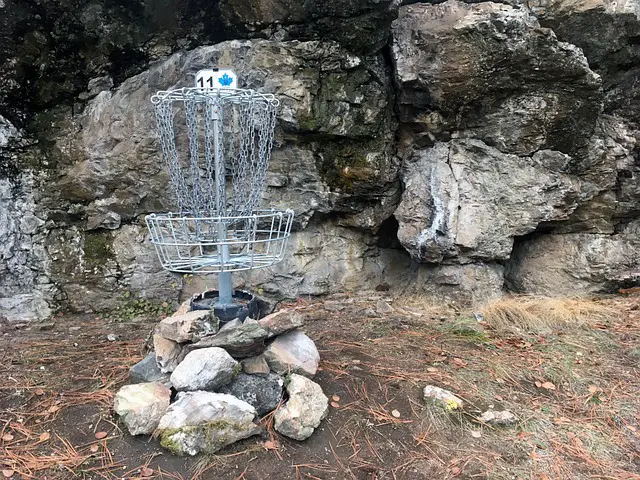
At its core, disc golf mirrors traditional golf, but with a few exciting twists. Instead of clubs and a small ball, players use specially designed flying discs, aiming to land them into an elevated metal basket, known as a “hole” or “target.” The objective remains the same: complete each hole and the entire course in the fewest throws possible.
This fantastic outdoor activity combines physical movement with strategic thinking, all while immersing you in nature. It’s a sport that’s easy to learn but offers endless opportunities for mastery and improvement.
The Basics of the Game
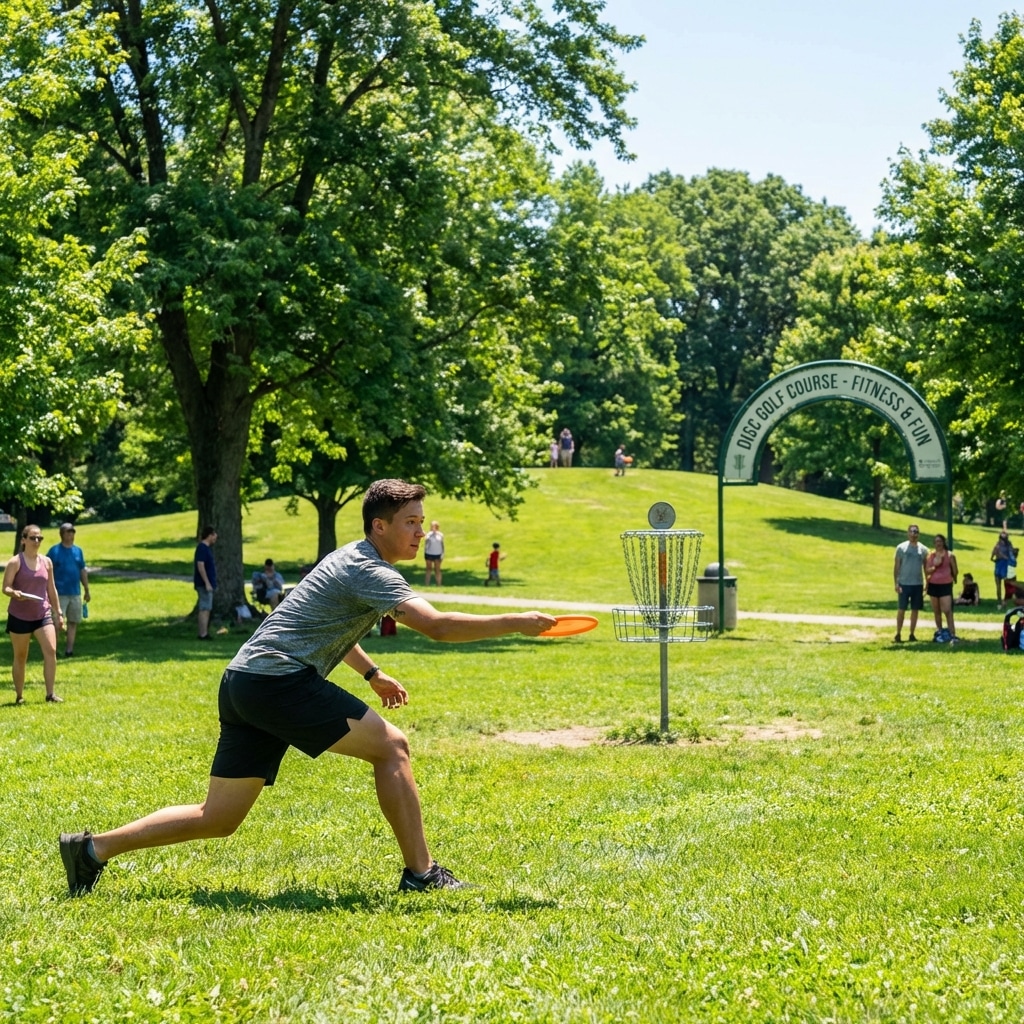
Imagine a game where your “ball” flies freely through the air, guided by your arm and the wind. That’s disc golf! You start from a designated “tee pad” and throw your disc towards the basket. Your subsequent throws are made from where your disc last landed, continuing until it comes to rest inside the basket.
The beauty of disc golf lies in its versatility. It can be a relaxing walk in the park with friends or a highly competitive professional tournament requiring precision and power.
Understanding the Disc Golf Course Layout
A typical disc golf course features 9 or 18 “holes,” each with a tee pad and a basket. These courses are often designed within public parks, wooded areas, or open fields, utilizing natural obstacles to create unique challenges.
Each hole has a “par” — the number of throws an experienced player is expected to take to complete it. Your goal is to finish each hole at or under par. The course starts at the first tee and concludes at the final basket, with your total score being the sum of your throws on all holes.
Essential Disc Golf Equipment for Beginners
One of the great things about disc golf is its relatively low barrier to entry. You don’t need a huge investment to get started, but having the right gear can significantly enhance your experience and performance.
Your Disc Bag Arsenal: Types of Discs
Just like golf clubs, disc golf discs are specialized for different types of throws. Understanding them is key to a successful game:
Drivers: Designed for maximum distance, these discs have sharp edges and are typically used for your initial throw from the tee pad. They require more power and technique to control.
Mid-Range Discs: Offering a balance of distance and control, mid-range discs are versatile and great for approach shots when you’re too far for a putter but don’t need the full power of a driver.
Putters: These discs are designed for accuracy and straight flights over short distances, ideal for throws within 30-50 feet of the basket. They “stick” to the chains better.
As a beginner, starting with a putter and one or two mid-range discs is often recommended to focus on form before adding drivers.
Beyond the Discs: What Else You Need
Disc Golf Bag: To comfortably carry your discs, water, and other essentials.
Mini Marker Disc: A small disc used to mark the lie (where your disc landed) before your next throw.
Towel: Essential for wiping off dirt, mud, or moisture from your discs, especially on dewy or rainy days.
Comfortable Shoes: You’ll be walking a lot, often on uneven terrain. Good traction and support are crucial.
Water Bottle: Stay hydrated! Rounds can take an hour or more, especially on 18-hole courses.
Scorecard and Pencil (or App): To keep track of your throws.
How to Play Disc Golf: Step-by-Step Instructions
Ready to hit the course? Here’s a breakdown of how a typical hole is played, from start to finish.
1. The Tee Shot
Every hole begins at the designated tee pad. You must stand within this area to make your initial throw towards the basket. Your goal here is to get as much distance and accuracy as possible to set up your next shot. You can choose a backhand or forehand throw, depending on your comfort and the hole’s layout.
2. Navigating the Fairway (Approach Shots)
Once your tee shot lands, you proceed to where your disc came to rest. Your next throw, called an “approach shot,” must be made from directly behind your disc (within 30 cm or 1 foot). You continue this process, throwing from your “lie,” until your disc makes it into the basket.
This is where strategy comes into play. Do you go for maximum distance, or a safer, more controlled shot to avoid obstacles?
3. Sinking the Shot (Putting)
When you’re close to the basket, typically within 30 feet, you’ll switch to a putter. Putting requires a different technique, focusing on precision and a smooth release to gently guide the disc into the chains of the basket. Once your disc comes to rest within the basket’s chains or bucket, the hole is complete!
4. Keeping Score in Disc Golf
Scoring in disc golf is straightforward: you count the total number of throws it takes to complete each hole. Record your score after each hole. The player with the lowest total score at the end of the entire course is the winner.
Common terms you’ll hear include:
Ace (Hole-in-One): Completing a hole in a single throw.
Birdie: Completing a hole in one throw *under* par.
Par: Completing a hole in the expected number of throws.
Bogey: Completing a hole in one throw *over* par.
Double Bogey: Completing a hole in two throws *over* par.
Mastering Your Throwing Technique
While the game is simple, developing a consistent and powerful throw takes practice. The two primary throwing styles are backhand and forehand (or sidearm).
Backhand Throw: This is the most common throw, similar to throwing a frisbee. You pull the disc across your body and release it with an outward motion.
Forehand Throw: Often used for specific shot shapes or to navigate obstacles, the forehand throw involves snapping the disc from your side with a wrist flick.
Focus on a smooth, controlled motion, proper grip, and a consistent follow-through. Watching instructional videos and even playing with more experienced players can rapidly accelerate your learning curve.
Getting Started: Find a Course and Community
One of the most appealing aspects of disc golf is its accessibility. You don’t need a club membership or expensive greens fees to play.
Locating Local Disc Golf Courses
Many public parks, especially in the US and Europe, now feature free-to-use disc golf courses. Websites like PDGA.com’s Course Directory or DGCourseReview.com are invaluable resources for finding the closest courses to you, complete with maps, reviews, and detailed information.
Learning from the Pros and Your Peers
The disc golf community is incredibly welcoming. Don’t hesitate to:
Watch Tutorials: YouTube is brimming with excellent instructional videos on everything from basic grips to advanced throwing techniques. Channels like “Dynamic Discs” or “Discmania” offer great content.
Join Local Groups: Many communities have local disc golf clubs or leagues. These are fantastic places to meet other players, learn etiquette, and get tips.
Play with Experienced Players: Observing and learning from seasoned disc golfers is one of the fastest ways to improve your game.
Top Tips for Beginner Disc Golfers
Start Simple: Begin with just a putter and a mid-range disc. Focus on control and accuracy over brute force.
Prioritize Form: A smooth, correct throwing form will lead to better distance and accuracy in the long run than trying to overpower the disc.
Patience is Key: Don’t get discouraged by bad throws. Every player has them. Focus on learning from each shot.
Learn Course Etiquette: Always be mindful of other players, don’t throw until the path is clear, and respect the course by picking up any trash.
Have Fun: Above all, remember that disc golf is a fantastic way to enjoy the outdoors, get some exercise, and connect with friends.
Conclusion: Your Disc Golf Journey Begins Now!
Disc golf is more than just a game; it’s an engaging blend of sport, nature, and community. With its simple premise and endless strategic depth, it offers a rewarding experience for players of all ages and skill levels.
Now that you have the knowledge, all that’s left is to grab a few discs, find your nearest course, and embrace the challenge. Who knows, you might just discover your new favorite pastime. Get out there and start throwing!