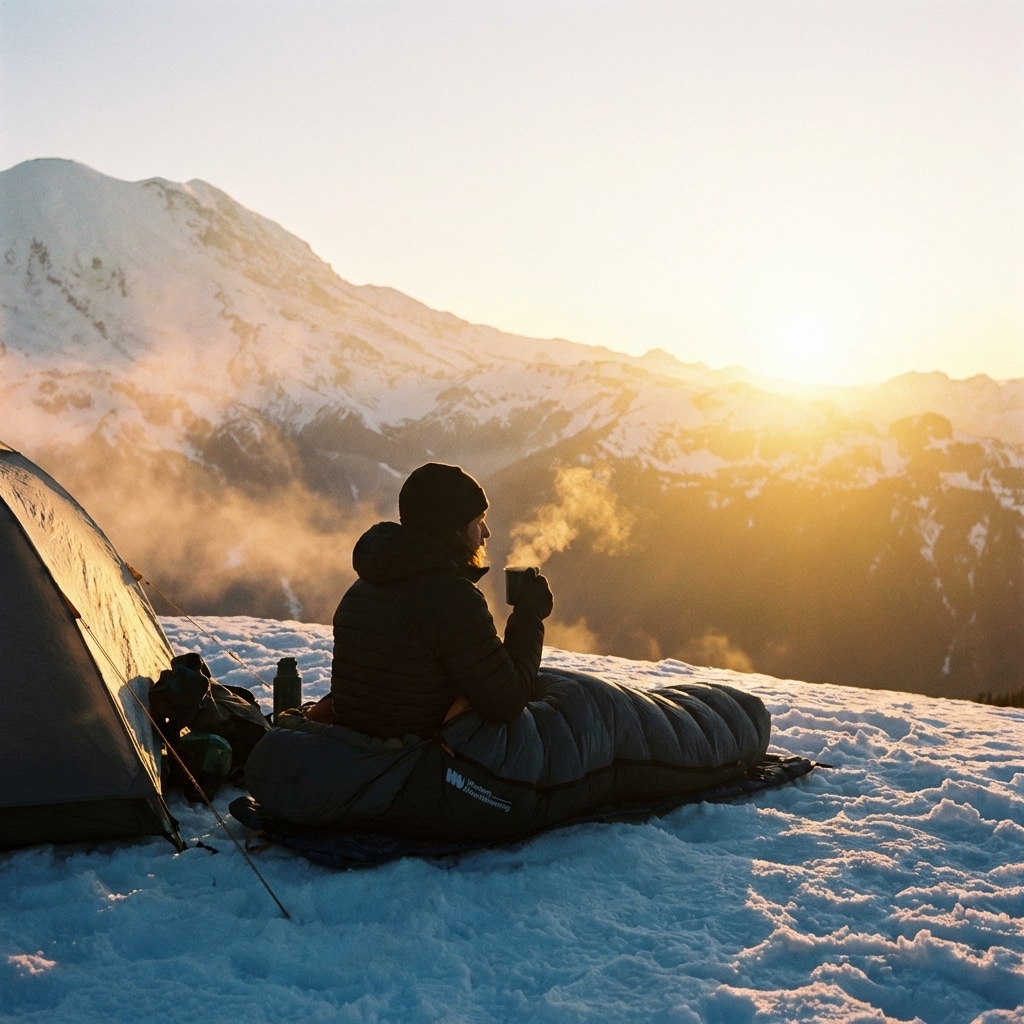
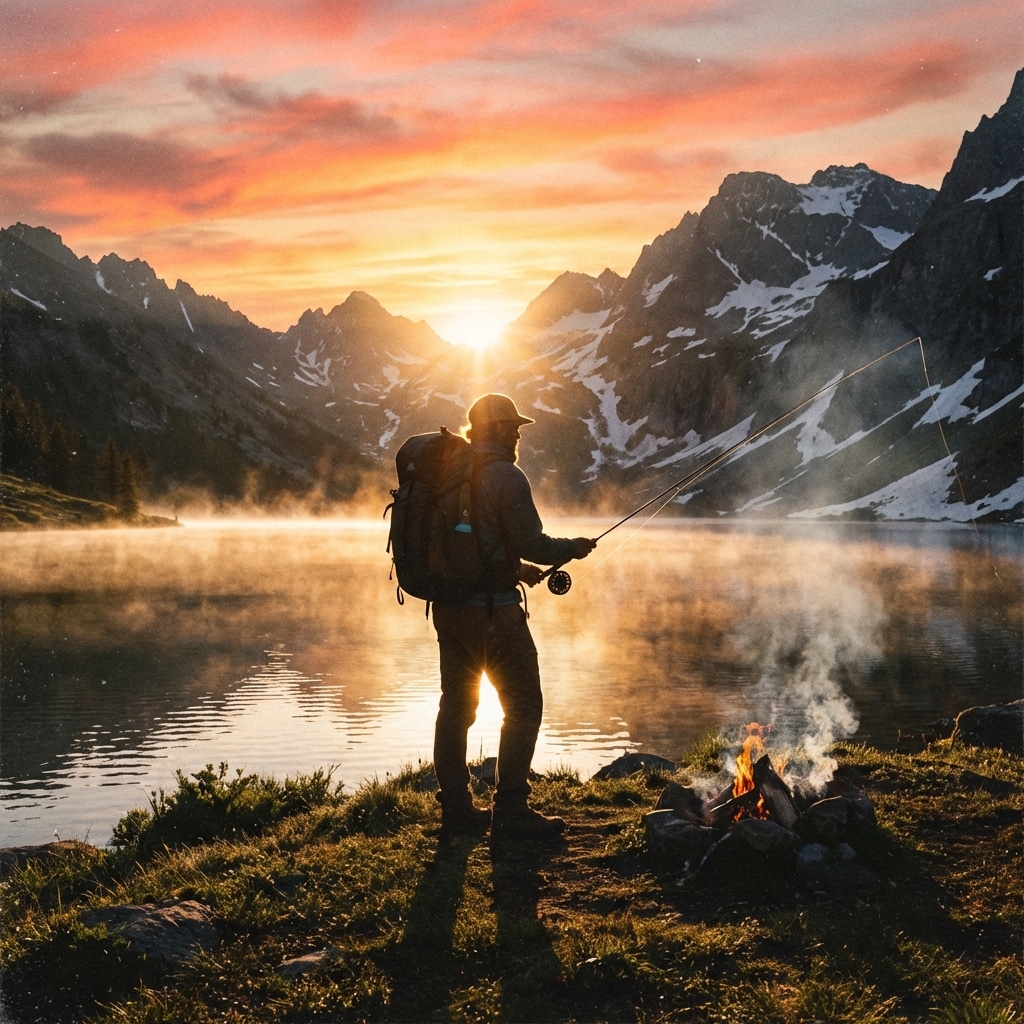
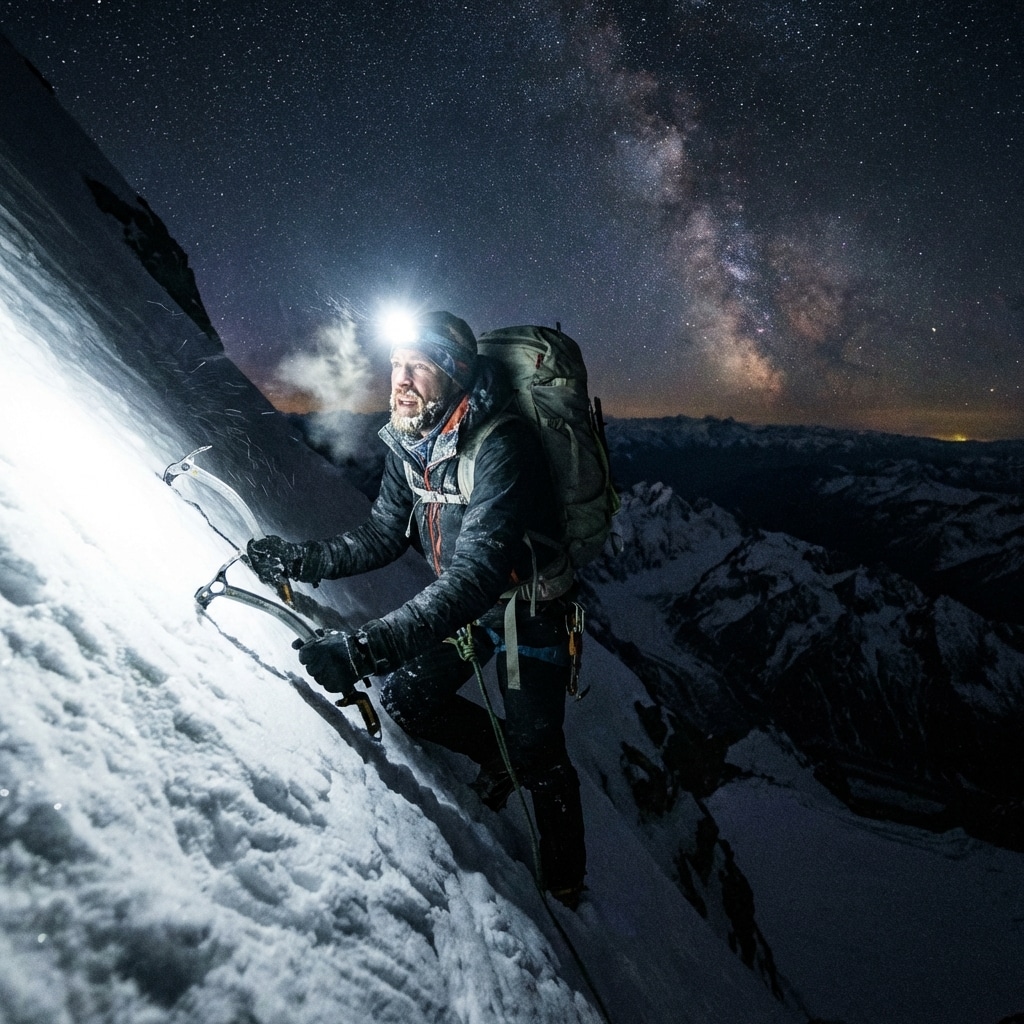
Dreaming of vast landscapes, starlit nights, and the profound quiet of nature? Backpacking offers an unparalleled blend of adventure, freedom, and a deep connection with the wild. While the idea of carrying everything you need on your back might seem daunting at first, every seasoned adventurer started somewhere.
This ultimate guide will equip you with the knowledge and confidence to embark on your very first backpacking trip, transforming that dream into a thrilling reality. We’ll cover everything from essential gear to smart planning, ensuring your journey begins on the right foot.
What Exactly is Backpacking?
At its core, backpacking is about self-sufficient travel where you carry all your necessities in a specialized pack. It typically involves hiking through natural environments, staying overnight (or multiple nights) in remote areas, and immersing yourself in the outdoors away from established amenities.
Unlike car camping, backpacking emphasizes minimalism and mobility, allowing you to access trails and wilderness areas unreachable by vehicles. It’s an opportunity to live simply, challenge yourself, and experience the world on foot.
Why Trade Comfort for the Trail? The Rewards of Backpacking
The allure of backpacking goes far beyond just getting from point A to point B. It’s a transformative experience that offers a wealth of benefits for both mind and body. Many find it to be an incredibly rewarding lifestyle.
Physical Fitness: Carrying a pack and navigating diverse terrain builds strength, endurance, and cardiovascular health.
Mental Clarity: Escaping the digital world and urban hustle can significantly reduce stress, improve focus, and boost overall well-being.
Deep Connection with Nature: Spend uninterrupted time observing wildlife, experiencing changing weather, and appreciating the raw beauty of the natural world.
Problem-Solving Skills: Unexpected challenges on the trail foster adaptability, resilience, and practical problem-solving.
Community & Camaraderie: Encountering fellow hikers often leads to shared stories, advice, and lasting friendships.
Personal Growth: Successfully navigating the wilderness builds confidence and a profound sense of accomplishment.
How to Start Backpacking: Your Essential Checklist
Taking those first steps into the world of backpacking is exciting! Success hinges on proper preparation, starting with the right gear and a solid plan. Don’t worry, you don’t need to break the bank to get started.
Choosing Your Core Backpacking Gear
Having the right equipment is crucial for safety and comfort. Prioritize these essentials, focusing on lightweight, durable, and functional items. Renting or borrowing gear for your first trip can be a great way to try before you buy.
Backpack: Select a pack that fits your torso length and has adequate capacity (typically 40-60 liters for 2-3 day trips). Look for good hip belt support to transfer weight off your shoulders.
Sleeping System: This includes a lightweight sleeping bag rated for the lowest temperature you expect, and a sleeping pad for insulation and comfort.
Shelter: A lightweight, durable backpacking tent is common. Alternatively, consider a hammock with a tarp for lighter weight and different sleeping experience in appropriate conditions.
Layered Clothing: The key to comfort in varying conditions. Pack a moisture-wicking base layer, an insulating mid-layer (fleece or puffy jacket), and a waterproof/windproof outer shell. Avoid cotton.
Footwear: Invest in sturdy hiking boots or trail runners that are well broken-in and offer good support and grip. Don’t forget moisture-wicking hiking socks!
Navigation Tools: A physical map and compass are non-negotiable backups, even if you use a GPS device or smartphone app. Know how to use them.
Hydration System: Carry enough water bottles or a hydration reservoir. A water filter or purification tablets are essential for refilling from natural sources.
Food & Cooking: Pack lightweight, high-calorie, non-perishable food. Consider a compact stove, fuel, and cooking pot if you plan hot meals.
First-Aid Kit: A well-stocked kit tailored for backcountry use is vital. Include pain relievers, blister treatment, bandages, antiseptic wipes, and any personal medications.
Headlamp/Flashlight: Essential for navigating camp after dark and for emergencies. Always pack extra batteries.
Planning Your Maiden Backpacking Trip
Thoughtful planning minimizes surprises and maximizes enjoyment. For your first venture, simplicity is your best friend.
Start Small & Local: Choose an easily accessible, well-marked trail for an overnight or two-night trip. Familiarize yourself with day hiking first if you haven’t already.
Thorough Research: Understand the trail’s terrain, elevation changes, current weather forecast, potential hazards (e.g., river crossings, wildlife), and water source availability. Check for required permits or fees.
Map Your Route: Clearly define your intended route, campsites, and bail-out points. Inform a trusted friend or family member of your exact itinerary and expected return time.
“Leave No Trace” Principles: Commit to practicing these seven principles to minimize your impact on the wilderness. Pack out everything you pack in, respect wildlife, and stay on designated trails.
Test Your Gear: Set up your tent, pack your bag, and even take a short walk with your full pack before you hit the trail. This identifies potential issues before they become problems.
Prioritizing Safety on the Trail
While backpacking is about adventure, it’s paramount to approach it with a safety-first mindset. Being prepared for the unexpected is part of the challenge and reward.
Share Your Itinerary: Always inform someone reliable about your exact route, planned campsites, and estimated return time. Check in with them upon your safe return.
Stay Hydrated & Fueled: Drink water regularly, even if you don’t feel thirsty. Eat high-energy snacks throughout the day to maintain your stamina and body temperature.
Basic First Aid: Familiarize yourself with basic wilderness first aid. Knowing how to treat common injuries like blisters, sprains, or minor cuts can make a huge difference.
Monitor Weather: Mountain weather can change rapidly. Always check the forecast before and during your trip, and be prepared to turn back or seek shelter if conditions worsen.
Respect Wildlife: Store food properly (e.g., in bear canisters or hung from a tree) to avoid attracting animals. Maintain a safe distance and never feed wildlife.
Know Your Limits: Don’t push yourself beyond your physical capabilities, especially on your first few trips. It’s okay to shorten your hike or take breaks when needed.
Embrace the Journey: Building Confidence on the Trail
Your first backpacking trip will be a learning experience, filled with both triumphs and minor challenges. Approach it with an open mind, a sense of humor, and a willingness to learn. Things might not always go perfectly, and that’s often where the best stories come from!
As you gain more experience, your confidence will soar. You’ll become more adept at reading maps, perfecting your camp setup, and adapting to whatever the wilderness throws your way. Remember, every expert was once a beginner.
Conclusion: Your Backpacking Adventure Awaits!
Starting your backpacking journey is an exciting step towards incredible personal growth and unforgettable adventures. By investing in the right gear, planning meticulously, and prioritizing safety, you’re setting yourself up for success.
Don’t let the initial learning curve deter you. Embrace the beauty of the trails, the lessons the wilderness offers, and the profound sense of accomplishment that comes with self-reliance. So, pack your bags, lace up your boots, and get ready to discover the magic of backpacking. Happy trails!