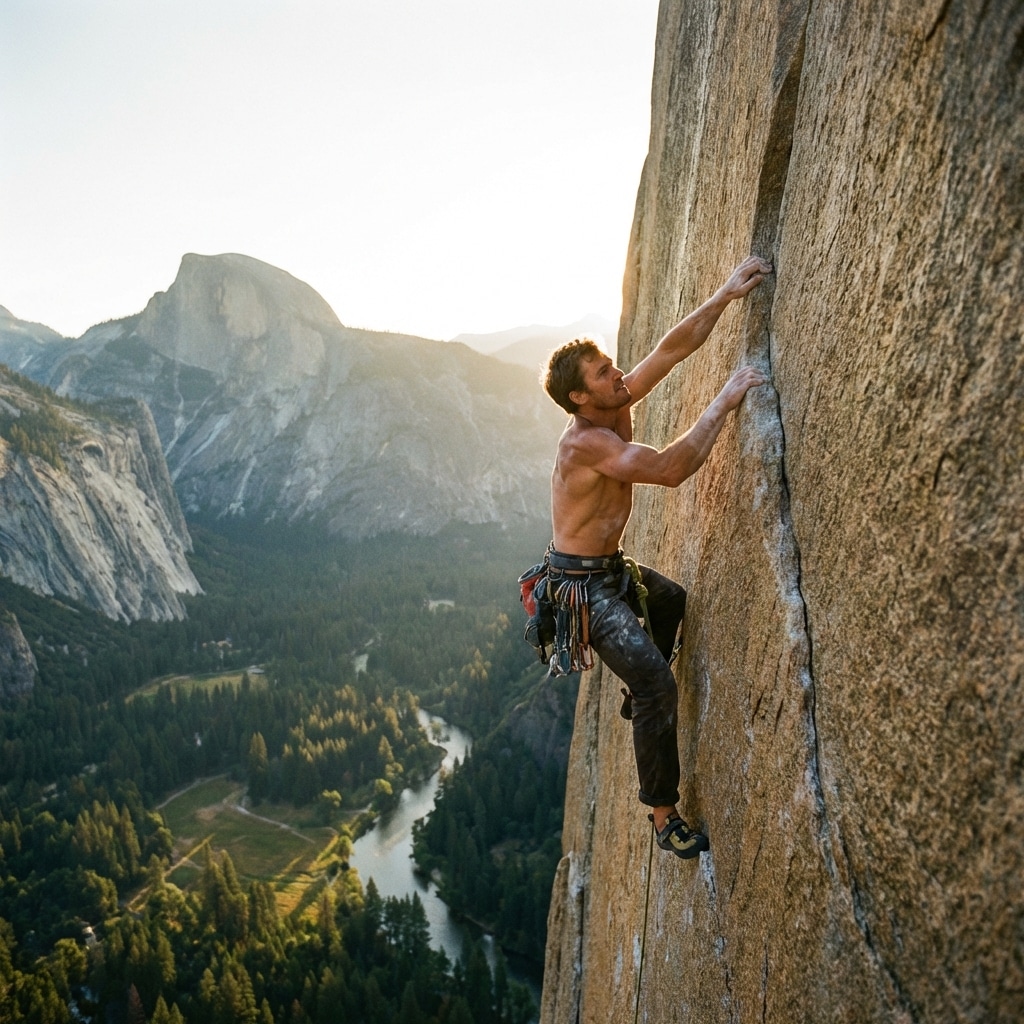
Are you drawn to the thrill of defying gravity, the mental puzzle of a challenging route, and the sheer joy of reaching new heights? Rock climbing is an exhilarating sport that pushes both your physical and mental limits. Whether you’re just starting your vertical journey or aiming to send your next big project, effective training is the key to unlocking your full potential.
This comprehensive guide will equip you with the strategies and insights you need to train smartly, build a robust foundation, and significantly improve your climbing performance. Get ready to transform your approach and conquer new ascents!

1. The Foundation: Assessing Your Current Climbing Fitness
Before you build a skyscraper, you need to know the ground you’re working with. The first crucial step in any effective training regimen is to honestly assess your current fitness level across various climbing-specific attributes. This will highlight your strengths and pinpoint areas that need focused attention.
Grip Strength & Forearms
Your ability to hold onto small edges and crimps is paramount. Test your maximum hang time on various hold types (edge, crimp, sloper) or try a few sets on a hangboard to gauge your power and endurance.
Core Strength & Stability
A strong core translates directly into better body tension, control, and efficiency on the wall. Perform exercises like planks, leg raises, or L-sits to identify any weaknesses in your abdominal and oblique muscles.
Upper Body Power & Pulling Strength
Pulling yourself up is a fundamental climbing movement. Assess your ability to perform various pull-up variations – dead hang pull-ups, weighted pull-ups, or even one-arm progressions if you’re advanced. Also, consider your antagonist muscles (pushing) for balanced strength.
Leg Strength & Footwork
While often overlooked, strong legs are vital for pushing, flagging, and maintaining balance. Test your squat and lunge strength, and observe your precision and control when placing feet on small footholds during climbing.
Flexibility & Mobility
Rock climbing demands a wide range of motion, especially in the hips, shoulders, and hamstrings. Evaluate your ability to perform deep squats, hip openers, and shoulder rotations. Good flexibility prevents injury and allows for more dynamic movements.
Endurance (Power Endurance & Aerobic)
How long can you sustain effort on a climb before “pumping out”? Gauge your power endurance by climbing continuously on a circuit or traverse. For aerobic endurance, consider how long you can comfortably climb at a moderate intensity.
Technique & Movement Skills
This is often best assessed by climbing itself. Pay attention to your foot placement, body positioning, efficiency of movement, and how well you read a route. Even an experienced climber can benefit from observing their technique or getting feedback.
2. Setting SMART Goals for Your Ascent
Once you understand your starting point, it’s time to define your destination. Setting clear, actionable goals is paramount for staying motivated and focused. Adopt the SMART framework: Specific, Measurable, Achievable, Relevant, and Time-bound.
- Specific: Instead of “get stronger,” aim for “increase my max pull-ups by 3 reps.”
- Measurable: “Climb a V5 boulder problem” is measurable, unlike “be a better climber.”
- Achievable: Set challenging but realistic goals based on your assessment.
- Relevant: Ensure your goals align with your overall climbing aspirations.
- Time-bound: Give yourself a deadline, e.g., “by the end of three months.”
Examples: “Send my first 5.11a sport route in 10 weeks” or “Perform 3 sets of 5 weighted pull-ups with 10kg by month 2.” These types of goals provide a clear target and a pathway to success.
3. Crafting Your Dynamic Training Plan
With your assessment complete and goals set, it’s time to build a structured training plan. A well-rounded plan integrates strength, flexibility, endurance, and technique, alongside crucial rest periods. Remember, consistency beats intensity every time.
Structure Your Training Week
A common approach is to dedicate specific days to different types of training, ensuring adequate rest between high-intensity sessions. Consider a schedule that balances climbing days with dedicated strength, flexibility, or aerobic workouts.
Strength & Power Workouts
Focus on compound movements that build functional climbing strength. Incorporate progressive overload by gradually increasing weight, reps, or difficulty over time.
- Pull-ups: Vary grip widths (wide, narrow, neutral), add weight, or practice one-arm progressions.
- Dead Hangs & Fingerboard Training: Crucial for specific finger strength. Follow structured protocols (e.g., repeaters, max hangs).
- Core Circuit: Planks (standard, side, weighted), leg raises, Russian twists, hollow body holds.
- Antagonist Training: Push-ups, dips, shoulder press to prevent imbalances and injuries.
- Legs: Squats, lunges, calf raises for powerful foot placements and rest positions.
Flexibility & Injury Prevention
Improved range of motion enhances movement fluidity and significantly reduces injury risk. Make stretching and mobility work a consistent part of your routine.
- Dynamic Warm-ups: Before climbing or training, include arm circles, leg swings, torso twists.
- Static Stretching: Post-climb or on rest days, focus on hip flexors, hamstrings, shoulders, and chest. Hold stretches for 20-30 seconds.
- Foam Rolling & Myofascial Release: Target tight areas like lats, glutes, and forearms.
- Prehab Exercises: Rotator cuff exercises with light weights or resistance bands to protect shoulders.
Endurance Sessions
Combat the dreaded “pump” by developing both power endurance (ability to sustain high-intensity effort) and aerobic endurance (ability to climb longer without fatigue).
- ARC Training (Aerobic Restoration and Capillarization): Climb continuously on easy terrain for 20-40 minutes, focusing on technique and steady breathing.
- 4x4s: Climb four difficult boulder problems consecutively, rest for four minutes, and repeat four times. This builds power endurance.
- Interval Training: Intense cardio bursts (running, cycling, stair climbing) with short rest periods to boost cardiovascular fitness.
Refine Your Technique
Strength alone won’t make you a great climber; efficient movement is paramount. Dedicate time specifically to improving your technique without solely focusing on sending hard routes.
- Drills: Practice silent feet, flagging, back-stepping, drop-knees, and dynos.
- Route Reading: Spend time analyzing routes from the ground before climbing. Visualize your sequence.
- Climb with Purpose: Focus on precise foot placements, keeping your arms straight, and using your legs.
- Get Feedback: Climb with more experienced partners or consider hiring a coach to identify and correct inefficiencies.
The Critical Role of Rest & Recovery
Training doesn’t stop when you leave the gym. Your muscles grow and adapt during rest periods. Neglecting recovery is a surefire way to invite injury and plateau your progress.
- Prioritize Sleep: Aim for 7-9 hours of quality sleep per night.
- Active Recovery: Light walks, stretching, or easy cycling on rest days can aid blood flow and recovery.
- Listen to Your Body: If you feel unusually fatigued or have persistent pain, take an extra rest day or reduce intensity.
- Nutrition & Hydration: Fuel your body with a balanced diet rich in protein, complex carbohydrates, and healthy fats. Stay well-hydrated.
4. Beyond the Physical: Mental Fortitude & Fueling Your Ascent
Rock climbing is as much a mental game as it is a physical one. To truly excel, you need to cultivate mental strength and provide your body with the right fuel.
Cultivating a Strong Mental Game
Fear of falling, lack of focus, and self-doubt can hinder performance. Develop strategies to overcome these mental hurdles.
- Visualization: Before a climb, mentally rehearse the sequence, movements, and successful completion.
- Breathing Techniques: Use deep, controlled breathing to manage anxiety and maintain composure.
- Positive Self-Talk: Replace negative thoughts with encouraging affirmations.
- Embrace Failure: See falls as learning opportunities, not setbacks.
Fueling Your Body for Peak Performance
What you eat directly impacts your energy levels, recovery, and overall strength. A balanced diet is non-negotiable for serious climbers.
- Complex Carbohydrates: Provide sustained energy for long climbing sessions (oats, brown rice, whole-grain bread).
- Lean Protein: Essential for muscle repair and growth (chicken, fish, legumes, tofu).
- Healthy Fats: Important for hormone production and energy (avocado, nuts, seeds).
- Hydration: Drink plenty of water throughout the day, especially before, during, and after climbing.
Conclusion: Embrace the Journey to New Heights
Training for rock climbing is a holistic endeavor that demands dedication to physical conditioning, mental fortitude, and smart recovery. By systematically assessing your fitness, setting SMART goals, and following a dynamic training plan, you’ll build a resilient body and mind capable of tackling increasingly difficult routes.
Remember to prioritize safety, listen to your body, and never underestimate the power of consistent effort. The rock climbing journey is one of continuous learning and exhilarating progress. Keep pushing your limits, celebrate every small victory, and most importantly, have fun exploring the incredible world that awaits you above!