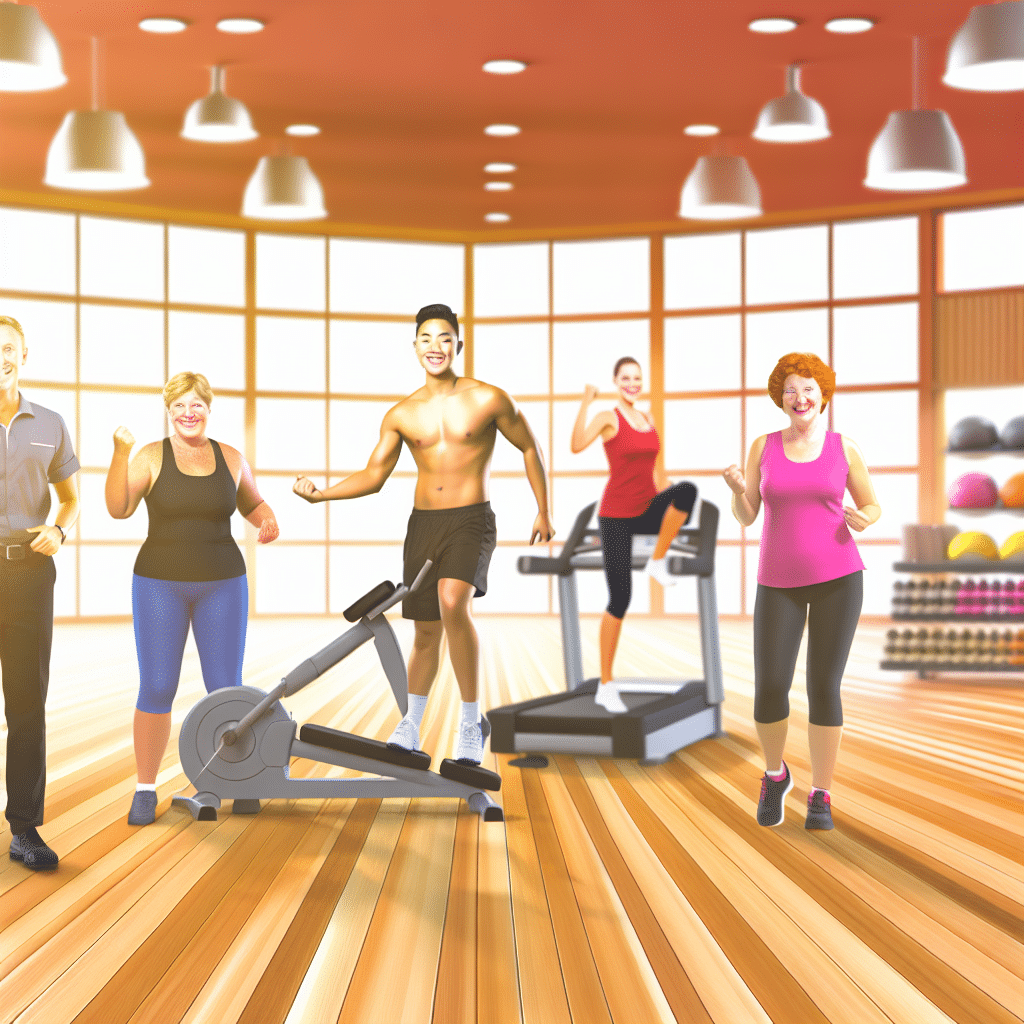
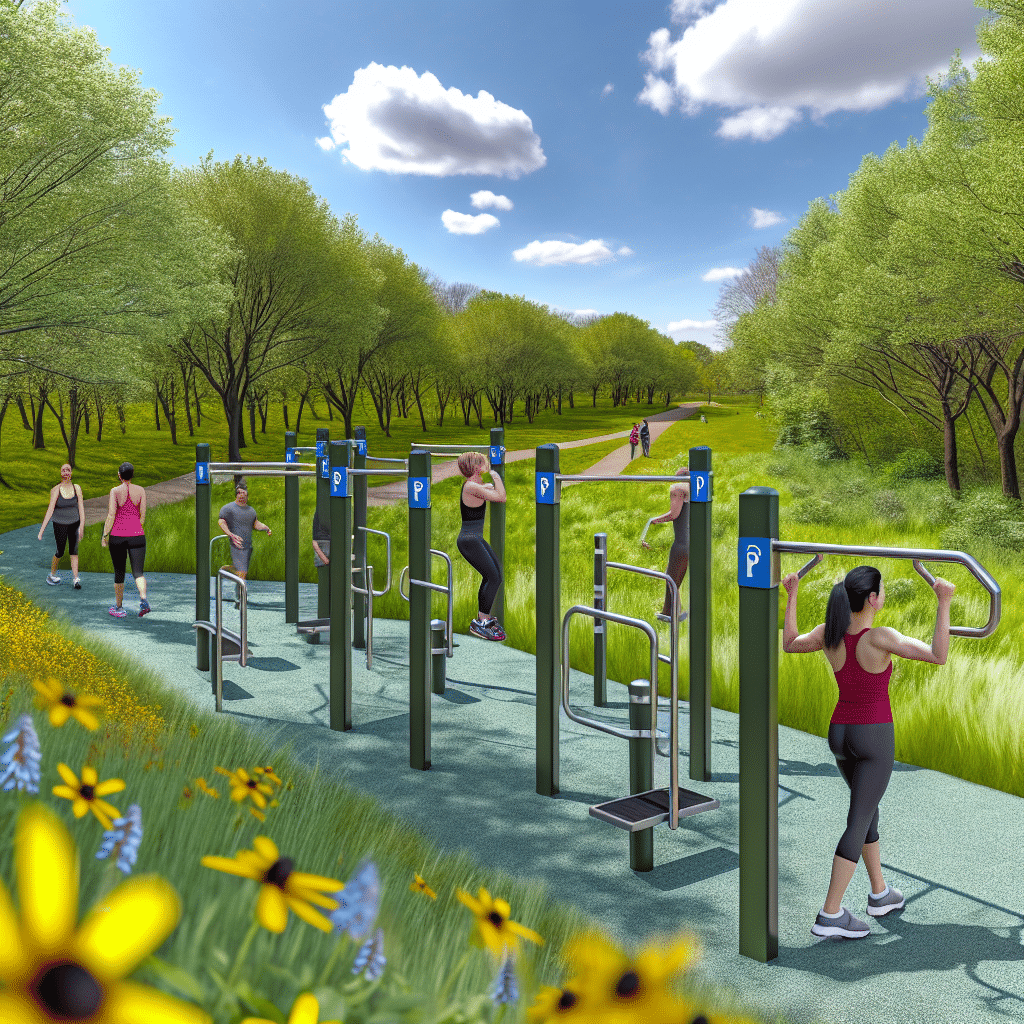
Tired of the same old gym routine? Imagine enhancing your fitness, breathing fresh air, and connecting with nature – all without a membership fee. Many public parks are transforming into open-air gyms, offering a diverse array of outdoor fitness equipment designed for all ages and fitness levels.
But how do you make the most of these fantastic resources? The key to unlocking effective and safe outdoor workouts lies in understanding how to properly engage with each piece of equipment. Let’s delve into the techniques, benefits, and best practices for leveraging outdoor fitness equipment.
Why Choose Outdoor Fitness Equipment for Your Workout?
Beyond the sheer convenience, opting for an outdoor workout brings a unique set of advantages that indoor gyms simply can’t match. Integrating nature into your fitness routine offers both physical and profound mental benefits.
Cost-Effective Fitness: One of the biggest advantages of outdoor fitness equipment is its price tag – it’s completely free! Forget expensive gym memberships and unlock accessible fitness for everyone, making health a universal right.
Nature’s Boost (Green Exercise): Working out in green spaces provides a significant psychological lift. Exposure to fresh air, natural light, and the calming presence of nature can dramatically enhance mental well-being, reduce stress levels, and improve mood. It’s like therapy for your body and mind.
Variety and Fun: Public parks are often equipped with a surprisingly diverse range of exercise equipment. This variety allows you to diversify your workouts, preventing monotony and keeping your fitness routine engaging and enjoyable.
Social Connection: Outdoor fitness areas often foster a sense of community. You might meet new workout partners, find inspiration from others, or simply enjoy a more vibrant atmosphere than a typical indoor gym.
Vitamin D Exposure: Natural sunlight helps your body produce Vitamin D, essential for bone health, immune function, and mood regulation. An outdoor workout is an excellent way to soak up this vital nutrient safely.
Getting Started: Is Outdoor Fitness Right for You?
Outdoor fitness equipment is generally designed to be safe and suitable for a wide range of individuals across all fitness levels. However, a little preparation goes a long way to ensure a positive experience.
If you have specific health conditions, are recovering from an injury, or are new to physical activity, it’s always wise to consult a physician or health professional. They can provide personalized advice and ensure your new outdoor fitness regimen aligns with your health goals. Remember to listen to your body and start slowly.
Mastering the Equipment: A Guide to Common Outdoor Fitness Stations
While the specific range of outdoor exercise equipment can vary by park, several types are consistently found. Understanding the purpose and proper technique for each is crucial for maximizing your results and preventing injury. Always prioritize good form over speed or repetitions.
Pull-Up Bars
**Target Muscles:** Back (lats), biceps, forearms, and shoulders.
Technique: Grasp the bar with an overhand grip, palms facing forward, hands slightly wider than shoulder-width apart. Hang with arms fully extended. Pull your body upwards until your chin clears the bar, focusing on engaging your back muscles. Slowly lower yourself back to the starting position.
Pro Tip: If full pull-ups are challenging, use an assisted pull-up technique by placing one foot on a low bench or using a resistance band looped over the bar for support.
Push-Up Bars
**Target Muscles:** Chest, shoulders, and triceps.
Technique: Place both hands on the bars, maintaining a straight body line from head to heels. Lower your chest towards the bars, keeping your elbows tucked slightly inward. Push back up until your arms are fully extended.
Pro Tip: Using push-up bars allows for a deeper range of motion compared to floor push-ups, potentially leading to greater muscle activation.
Sit-Up Benches
**Target Muscles:** Abdominal muscles (core).
Technique: Lie down on the bench with your feet secured under the foot pads. Place your hands lightly behind your head or across your chest. Engage your core, curling your torso towards your knees until your shoulder blades lift off the bench. Slowly lower yourself back down with control.
Pro Tip: Avoid pulling on your neck. Focus on using your abdominal muscles to initiate the movement. For a greater challenge, try holding a light weight plate to your chest.
Rowing Machines
**Target Muscles:** Full body – legs (quads, hamstrings, glutes), core, back, and arms.
Technique: Sit on the machine’s seat and secure your feet. Grasp the handles. Start with your knees bent and lean slightly forward. Initiate the pull with a powerful leg drive, then lean back slightly and pull the handles towards your chest, engaging your back muscles. Extend your arms and bend your knees to return to the starting position smoothly.
Pro Tip: Focus on a smooth, rhythmic motion. The power should come primarily from your legs, followed by your core and then your upper body.
Leg Press Machines
**Target Muscles:** Lower body – quadriceps, hamstrings, and glutes.
Technique: Position yourself on the machine with your back flat against the seat and your feet firmly on the footplate, hip-width apart. Push with your legs until they are nearly fully extended (avoid locking your knees). Slowly return to the starting position with controlled movement.
Pro Tip: Ensure your entire foot remains in contact with the footplate throughout the movement. Adjust foot placement slightly to target different leg muscles (higher for glutes/hamstrings, lower for quads).
Designing Your Outdoor Workout Routine
Don’t just randomly use the equipment; create a structured outdoor fitness routine. Combine cardiovascular elements (like jogging between stations) with strength training exercises. A typical session might include a warm-up, 3-4 sets of 8-15 repetitions for each strength exercise, and a cool-down.
Vary your routine to keep your body challenged and prevent plateaus. Embrace bodyweight exercises as well, such as squats, lunges, and planks, to complement the equipment.
Conclusion: Your Outdoor Fitness Journey Awaits
Outdoor fitness equipment is an incredible, accessible resource for enhancing both your physical and mental well-being. By understanding each piece of equipment’s function and using proper form, you can transform any public park into your personal gym.
Harness the power of nature, enjoy the variety, and take advantage of the cost-effective benefits. Step outside, embrace the fresh air, and get set to elevate your fitness journey with outdoor workouts. Your path to a healthier, happier you starts outdoors!