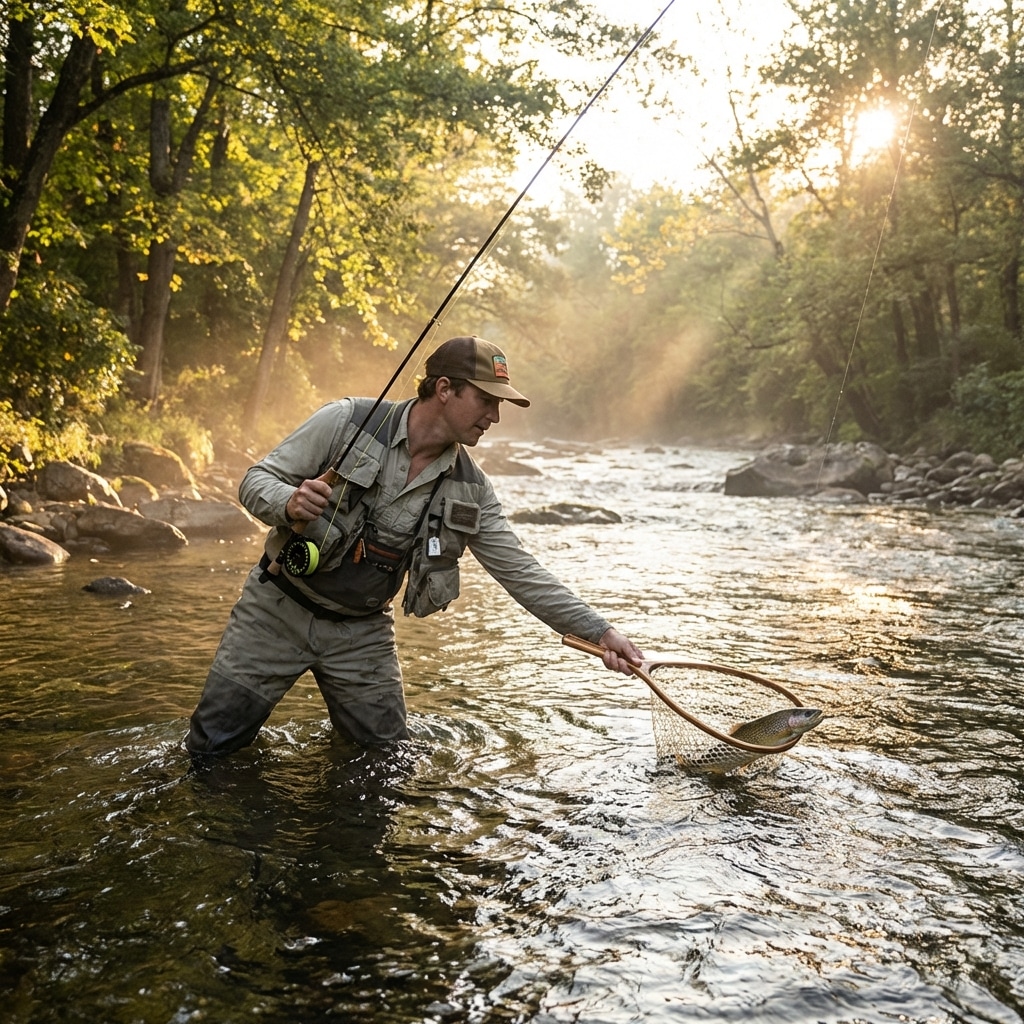
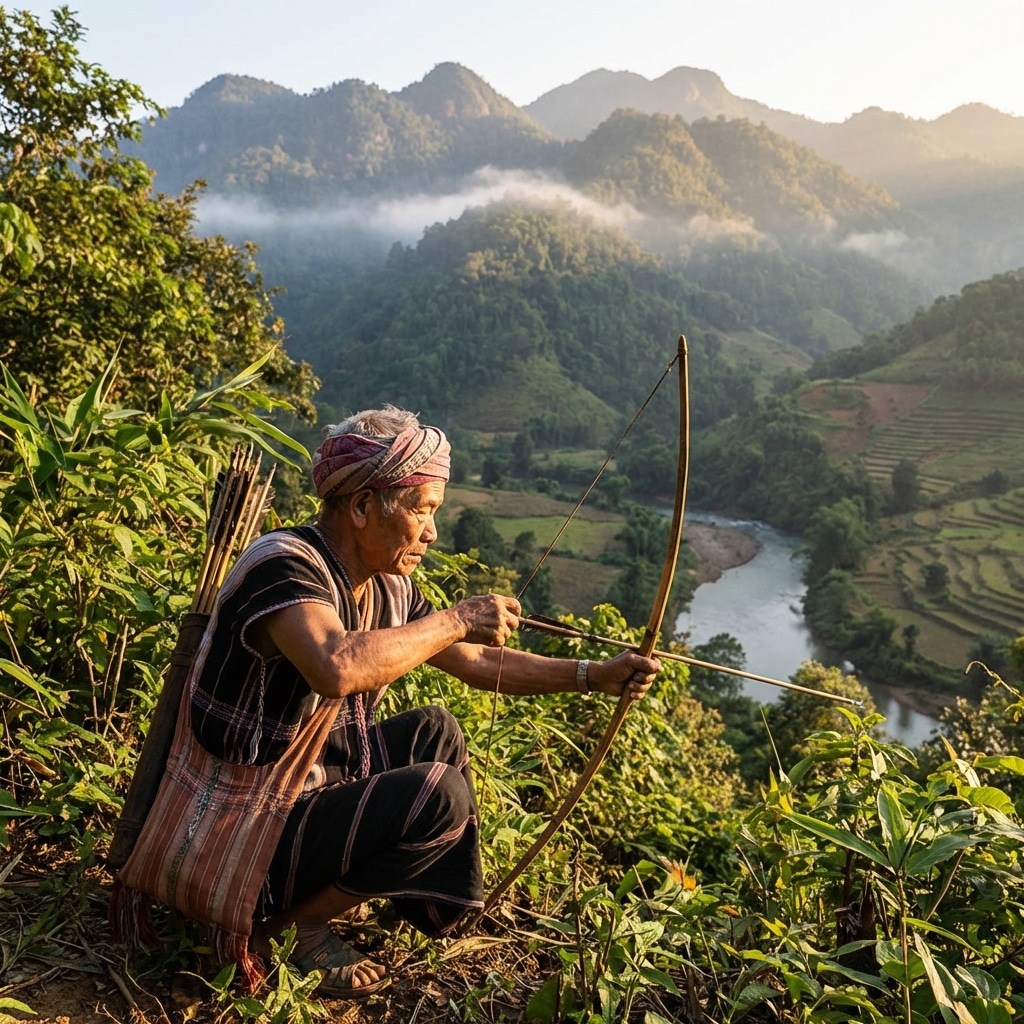
Dreaming of an unforgettable hunting adventure amidst the diverse landscapes of Washington State? From the dense rainforests of the Olympic Peninsula to the arid plains of Eastern Washington, the Evergreen State offers a rich tapestry of hunting opportunities. Whether you’re a seasoned resident hunter or planning your first visit, navigating Washington’s hunting regulations and seasons is crucial for a successful, ethical, and legal experience.
This comprehensive guide will arm you with the essential knowledge you need, covering everything from available species and critical season dates to required licenses and the best places to find game. Let’s make your next Washington hunt a memorable one.
What Species Can You Hunt in Washington?
Washington State boasts an impressive diversity of game species, offering something for every type of hunter. The Washington Department of Fish and Wildlife (WDFW) meticulously manages these populations to ensure sustainable hunting opportunities. Understanding which species are available and where they thrive is your first step.
Big Game Species
The thrill of big game hunting draws many to Washington. Hunters can pursue a variety of majestic animals, often requiring careful planning and special permits.
Deer: Both Mule Deer (primarily east of the Cascades) and White-Tailed Deer (common in northeastern and southwestern WA) offer exciting hunts.
Elk: Washington is home to Roosevelt Elk (western WA) and Rocky Mountain Elk (eastern WA), both providing challenging and rewarding experiences.
Bear & Cougar: Black Bear and Cougar hunts are popular, contributing to wildlife management efforts.
Moose, Mountain Goat, & Bighorn Sheep: These highly sought-after species are available through very limited, competitive permit draws, often taking years of applying to secure a tag.
Small Game & Game Birds
For those who prefer a different pace, Washington’s small game and bird hunting opportunities are abundant. These hunts can be a great way to introduce new hunters to the sport or enjoy a more accessible outdoor experience.
Upland Game Birds: Pheasant, Quail, Chukar, Gray Partridge, Forest Grouse (Ruffed, Spruce, Blue), and Wild Turkey provide diverse bird hunting.
Waterfowl: Duck (various species) and Goose hunting is excellent, especially in migration corridors and wetlands.
Other Small Game: Opportunities exist for hunting rabbits, hares, coyotes, and bobcats.
Doves: Mourning Doves are also popular, particularly in early fall.
Navigating Washington’s Hunting Seasons
Hunting seasons in Washington are meticulously set by the WDFW and can vary significantly by species, geographic area, and the type of weapon you intend to use. Always consult the official WDFW hunting regulations pamphlet for the most current and precise dates before planning your trip.
Key Season Dates to Know
Deer Seasons: Typically span from early September to December. Archery seasons often kick off in early September, followed by Muzzleloader seasons in late September, and Modern Firearm seasons predominantly in October. Specific dates depend heavily on the Game Management Unit (GMU) and permit status.
Elk Seasons: Generally run from late August through mid-November. Like deer, elk seasons are segmented by weapon type and GMU, with some early archery hunts and later modern firearm hunts.
Upland Bird Seasons: These vary widely. Pheasant season usually opens in October and runs through January. Quail seasons often coincide. Turkey seasons typically have a spring and fall season.
Waterfowl Seasons: Migratory waterfowl seasons generally start in mid-October and conclude in late January, but specific dates and bag limits are subject to federal frameworks and WDFW adjustments.
Bear & Cougar: Seasons are often longer, extending into late fall or winter, depending on management objectives and specific areas.
Many big game hunts, especially for prime areas or species like Moose and Bighorn Sheep, are allocated through a special permit draw system. Applying for these permits often requires foresight and can significantly increase your hunting opportunities.
Essential Licenses and Tags for Washington Hunters
Before you can step foot in the field, acquiring the correct Washington hunting licenses and tags is non-negotiable. This process ensures legal compliance and contributes directly to wildlife conservation efforts.
Core Hunting License
Every hunter, whether resident or non-resident, must possess a valid Washington hunting license. The cost varies based on your residency status and the type of license (e.g., small game, big game, combination). Non-resident licenses are typically more expensive.
Big Game Tags & Special Permits
For big game species, a species-specific tag (e.g., deer tag, elk tag, bear tag) is required *in addition* to your general hunting license. These tags are issued for specific weapon types and hunt areas. For species like moose, mountain goat, and bighorn sheep, you’ll need to apply for and draw a special permit.
Migratory Bird Stamps
If you plan to hunt ducks, geese, or other migratory waterfowl, you’ll need two additional stamps: a Federal Duck Stamp (purchased annually) and a Washington Migratory Waterfowl and Upland Game Bird Stamp.
Hunter Education Requirements
In Washington, anyone born after January 1, 1972, must complete a hunter education course to purchase a hunting license. This certification ensures hunters understand safety, ethics, and conservation principles.
Where to Find Your Perfect Hunting Spot in Washington
Washington offers an incredible variety of landscapes for hunting, from vast public lands to managed private access programs. Knowing where you can legally hunt is just as important as knowing what and when.
Public Hunting Lands
A significant portion of Washington is open to public hunting. These areas are often managed by state and federal agencies.
National Forests: Vast areas like the Okanogan-Wenatchee, Gifford Pinchot, and Olympic National Forests offer extensive big game and upland bird opportunities.
State Forests & Wildlife Areas: Managed by WDFW and the Department of Natural Resources (DNR), these lands are specifically designated for wildlife habitat and public recreation, including hunting.
Bureau of Land Management (BLM) Lands: Primarily in Eastern Washington, BLM lands offer additional public access.
Private Lands & WDFW Access Programs
While private land is generally off-limits without explicit permission, WDFW runs innovative programs to expand hunter access:
“Feel Free to Hunt”: These properties allow public hunting without prior permission, usually signed with specific rules.
“Register to Hunt”: Requires hunters to register online or by phone before hunting, helping landowners manage hunter numbers.
“Hunt by Reservation”: Offers exclusive, pre-booked hunting access to specific private lands, often for specific dates or species.
Always remember to respect private property boundaries, whether marked or unmarked, and seek permission before entering. Consulting WDFW’s online “Go Hunt” maps is an invaluable tool for identifying public access and private land programs.
Ready for Your Washington Hunting Adventure?
Hunting in Washington State truly is a remarkable experience, blending the thrill of the chase with the profound beauty of its diverse ecosystems. From tracking trophy elk in the mountains to calling in geese over a wetland, the opportunities are boundless.
By understanding the regulations, respecting wildlife and fellow outdoors enthusiasts, and preparing diligently, you’re not just ensuring a legal hunt—you’re contributing to the conservation legacy that makes these experiences possible for generations to come. So, gather your gear, finalize your plans, and prepare for an unforgettable adventure in Washington’s wild heart. Happy hunting!