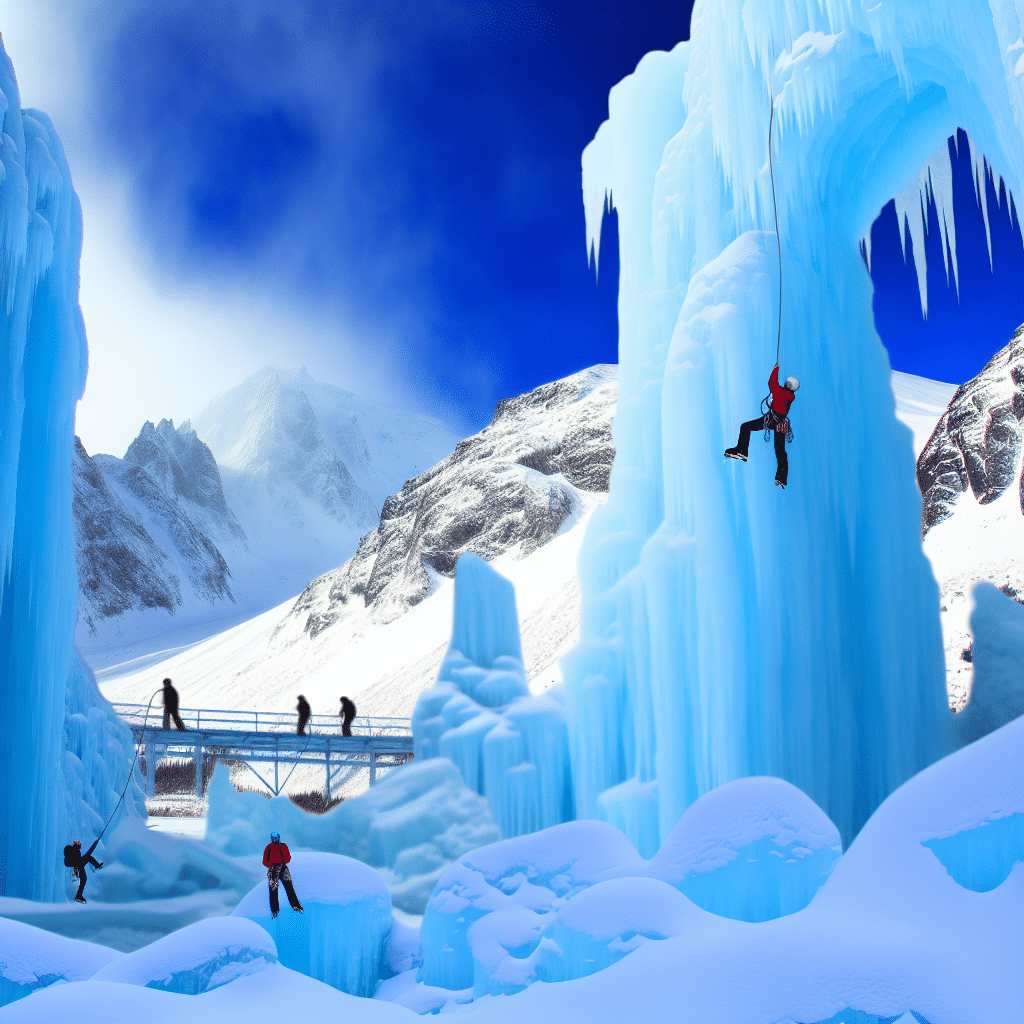
Imagine standing on a frozen waterfall, hundreds of feet above the ground, the air crisp, the silence broken only by the rhythmic crunch of your crampons. Ice climbing is an unparalleled adventure, a thrilling dance with gravity and ice. But this exhilarating sport demands respect – and the absolute right gear.
Whether you’re a seasoned veteran eyeing a new mixed route or a beginner taking your first steps onto the vertical ice, your equipment is your lifeline. Choosing the best ice climbing gear isn’t just about performance; it’s about survival. This comprehensive guide will equip you with everything you need to know, ensuring your next ascent is both thrilling and safe.
The Core Essentials: Your Ice Climbing Lifeline
Before you even think about swinging an ice axe, you need the foundational ice climbing equipment to ensure basic safety and comfort. These items are non-negotiable for any ice climbing adventure.
Specialized Outerwear: Mastering the Elements
Ice climbing demands clothing that insulates, protects, and allows for unrestricted movement in extreme cold and wet conditions. A proper layering system is crucial.
Base Layers: Moisture-wicking tops and bottoms to keep you dry.
Mid Layers: Insulating fleece or puffy jackets for warmth.
Outer Shell: Waterproof, windproof, and breathable jacket and pants to shield you from the elements.
Gloves: Multiple pairs (thin liners, belay gloves, thick climbing gloves) are essential for dexterity and warmth.
Hat/Balaclava: To prevent heat loss from your head and face.
Footwear: Boots & Crampons Built for Ice
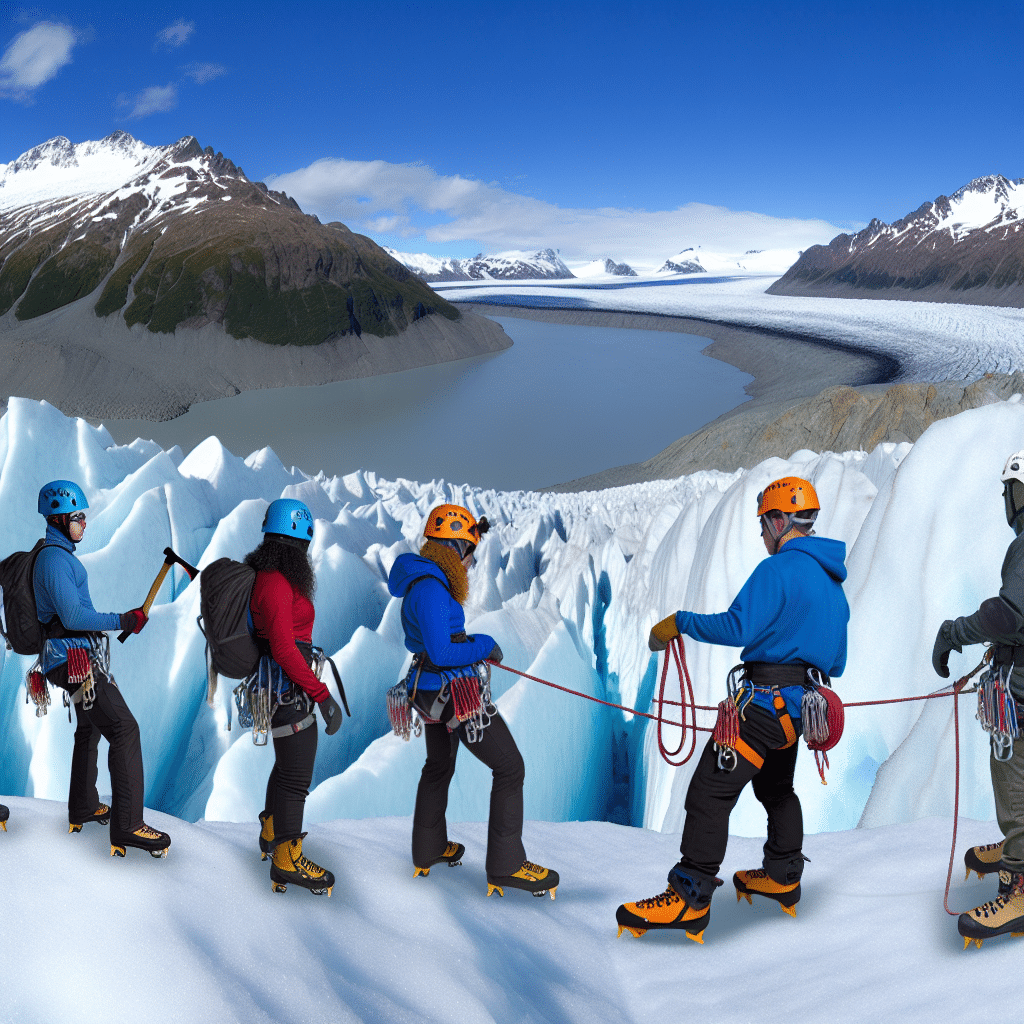
Your feet are your foundation on the ice. Specialized ice climbing boots and crampons are critical for traction and warmth.
Ice Climbing Boots: Rigid, insulated, waterproof boots designed for extreme cold. They must be compatible with technical crampons.
Crampons: Aggressive, sharp-pointed traction devices that attach to your boots. Options include automatic (step-in), semi-automatic (heel bail), and strap-on, each suited for different boot types and climbing styles. Keep them sharp!
Head Protection: The Indispensable Helmet
A climbing-specific helmet is absolutely essential. It protects you from falling ice, rocks, and impacts during a fall. Look for one that’s comfortable, well-ventilated, and compatible with a headlamp.
Tools of the Trade: Ice Axes & Ice Screws
These are your primary tools for upward progress and critical safety on the ice. Mastering their use is fundamental to ice climbing.
Ice Axes: Your Grips on the Vertical World
Typically, ice climbers use two technical ice axes (or ice tools) – one for each hand. They provide purchase, help you maintain balance, and are crucial for self-arresting falls.
Technical Ice Tools: Feature curved shafts, ergonomic handles, and aggressive picks designed to penetrate hard ice.
Picks: Different pick angles and designs exist for pure ice, mixed climbing (ice and rock), or dry tooling.
Leashes/Tethers: Often used to secure tools to your harness, preventing loss.
Ice Screws: Anchors in the Frozen Realm
Ice screws are paramount for protection. They are threaded tubes that you twist into the ice, creating secure anchor points to clip your rope into, mitigating the severity of potential falls.
Lengths: Available in various lengths (e.g., 13cm, 16cm, 19cm, 22cm), chosen based on ice quality and thickness.
Hangers: Integrated clip-in points for carabiners.
Sharpness: Crucial for quick and secure placement.
Beyond the Basics: Supplementary Ice Climbing Gear
While the essentials get you started, these additional pieces of ice climbing equipment complete your rack and address various climbing and safety scenarios.
The Safety Link: Harness & Belay Devices
Harness: A comfortable, adjustable climbing harness with plenty of gear loops for organizing your tools and protection.
Belay/Rappel Device: Such as an ATC or Reverso, used to manage the rope for belaying a climber or safely descending a route.
Locking Carabiners: Several are needed for belay devices, anchors, and connecting to ice screws.
Non-Locking Carabiners: Useful for racking gear on your harness.
Rope & Anchoring Systems
Dynamic Ropes: Often half or twin ropes are preferred for ice climbing due to their redundancy and ability to handle sharp edges better than single ropes.
Slings & Cordelettes: Essential for building anchors and extending protection.
Quickdraws: Used to connect the rope to ice screws.
Carrying Your Arsenal: Packs & Bags
Climbing Pack: A durable, streamlined backpack designed to carry your gear efficiently, often with external axe attachment points.
Chalk Bag: While less common for pure ice, some mixed climbers use chalk.
Advanced & Route-Specific Gear Considerations
Depending on the objective, location, and conditions, you might need additional specialized gear for maximum safety and efficiency.
Navigating the Backcountry Safely
Avalanche Safety Gear: If approaching through avalanche terrain, a beacon, shovel, and probe are non-negotiable.
First-Aid Kit: Essential for any outdoor adventure, tailored for remote conditions.
Headlamp: For early starts, late finishes, or unexpected delays.
Insulated Water Bottle/Thermos: To prevent water from freezing and to carry warm drinks.
Choosing Your Ice Climbing Gear: What to Look For
Selecting the right ice climbing gear is a crucial decision that impacts your safety, performance, and enjoyment on the ice.
Experience Level & Route Type
Beginner: Focus on essential, versatile, and forgiving gear.
Advanced: May opt for more specialized, lighter, or aggressive tools suited for specific technical challenges like mixed climbing or thin ice.
Route Type: Consider water ice, alpine ice, or mixed routes, as each might favor different axe designs, crampon styles, or rope configurations.
Fit, Comfort, & Durability
Fit: Boots, harness, and helmet must fit perfectly to prevent discomfort and ensure functionality.
Comfort: Long days on the ice demand comfortable gear that doesn’t chafe or restrict movement.
Durability: Ice climbing is tough on gear. Choose high-quality materials and reputable brands known for their robust products.
Weight & Size: Lighter gear can reduce fatigue, but sometimes compromises durability. Balance these factors based on your objectives.
Budget vs. Quality
While ice climbing gear is an investment, never compromise on safety. It’s often worth spending more on critical items like helmets, ropes, and ice screws. For less critical items, research well-reviewed budget-friendly options.
Your Essential Ice Climbing Gear Checklist
✓ Ice Climbing Boots
✓ Crampons
✓ Climbing Helmet
✓ Technical Ice Axes (2)
✓ Ice Screws (Assorted lengths)
✓ Climbing Harness
✓ Belay/Rappel Device
✓ Locking & Non-Locking Carabiners
✓ Dynamic Ropes (Half/Twin)
✓ Slings & Cordelettes
✓ Quickdraws
✓ Layered Clothing (Base, Mid, Shell)
✓ Multiple Pairs of Gloves
✓ Hat/Balaclava
✓ Climbing Pack
✓ Headlamp
✓ Insulated Water Bottle/Thermos
✓ First-Aid Kit
Conclusion: Equip for Success and Safety
Equipping yourself properly for ice climbing isn’t just about buying gear; it’s about investing in your safety, performance, and enjoyment. Every piece of equipment, from your helmet to your ice screws, plays a vital role in transforming a dangerous pursuit into a magnificent adventure.
Carefully consider your needs, always prioritize quality and fit, and never compromise on safety. With the right ice climbing gear in hand and the proper training, you’re ready to conquer frozen landscapes and create unforgettable memories on the ice. Climb safe, climb strong!