Tired of predictable weekends and endless screen time? Imagine transforming a corner of your home into an exhilarating adventure zone where your kids can climb, explore, and build strength—all while having a blast. A DIY kids rock climbing wall is more than just a play area; it’s a dynamic hub for physical fitness, mental growth, and unforgettable family fun.

Climbing activities offer a unique blend of challenge and reward, making them perfect for developing young minds and bodies. But what if buying professional equipment feels out of reach due to cost or space? The good news is, creating your own rock climbing wall at home is not only achievable but also incredibly rewarding.
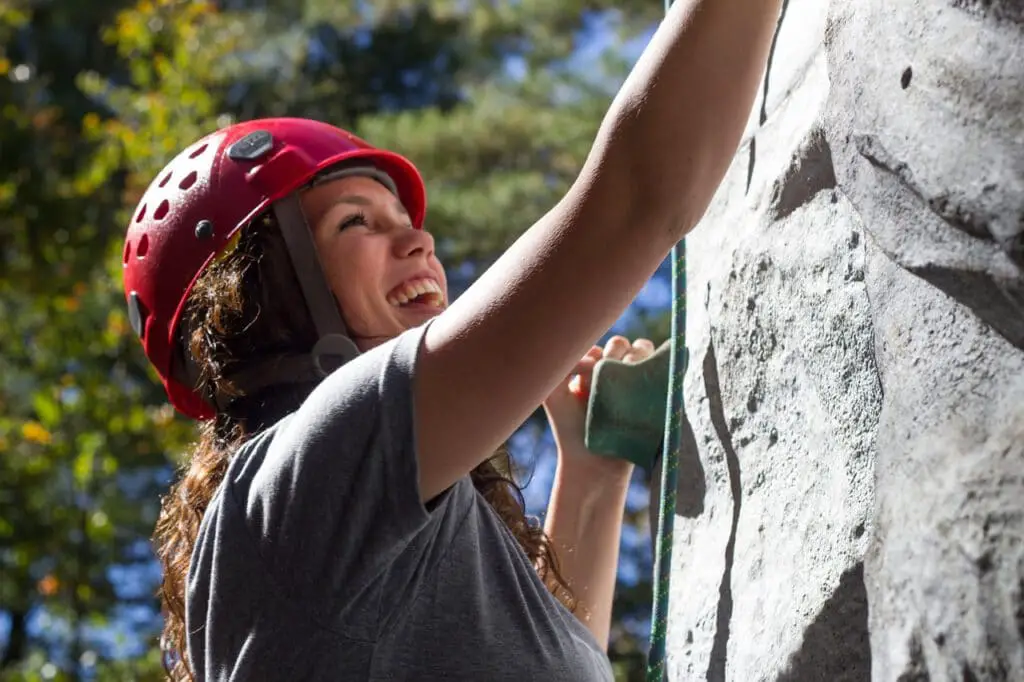
Why a Kids Rock Climbing Wall is a Game-Changer
Parents often seek activities that truly engage their children, fostering growth beyond just entertainment. A home climbing wall delivers on multiple fronts, offering a holistic approach to child development.
Boosts Physical Health and Development
- Improves Flexibility and Coordination: Every reach, grasp, and step on a climbing wall hones a child’s agility and body awareness. They learn to move their limbs in sync, enhancing their overall motor skills.
- Builds Strength and Endurance: From core strength to grip power, climbing is a full-body workout. Regular activity strengthens muscles, improves cardiovascular health, and boosts stamina.
- Promotes Bone Strength and Good Posture: Weight-bearing activities like climbing are excellent for developing strong bones. It also encourages children to maintain proper alignment, contributing to better posture from a young age.
Enhances Mental and Emotional Well-being
- Develops Problem-Solving Skills: Kids must strategize their movements, planning routes and overcoming obstacles, which sharpens their critical thinking and spatial reasoning.
- Fosters Confidence and Resilience: Successfully navigating a climbing route, no matter how small, instills a sense of accomplishment. Overcoming challenges builds resilience and a “can-do” attitude.
- Improves Focus and Concentration: Climbing demands undivided attention. Children learn to focus on the task at hand, blocking out distractions as they concentrate on their next move.
Creates Family Fun and Bonding
A home climbing wall provides an incredible opportunity for parents and children to engage in active play together. It’s a shared experience that encourages communication, laughter, and mutual support, strengthening family bonds.
The DIY Advantage: Building Your Own Kids Climbing Wall
Many parents hesitate due to perceived high costs or the complexity of setting up a climbing wall. A DIY approach addresses these concerns directly. It’s a cost-effective alternative that allows you to customize the design, difficulty, and aesthetics to perfectly suit your family’s needs and space.
Creating a homemade climbing wall can also be a fantastic family project, teaching valuable skills and creating lasting memories. With proper planning and materials, you can build a safe, engaging, and durable climbing structure right in your home.
Step-by-Step Guide: How to Build Your DIY Kids Rock Climbing Wall
Building a safe and sturdy climbing wall requires careful attention to detail, especially regarding structural integrity. Forget flimsy drywall anchors; we’re going to focus on robust construction.
Step 1: Plan Your Space and Design
- Choose the Right Location: Select a wall in a room, garage, or basement that can accommodate the structure. Consider factors like height, width, and potential for a safe landing zone. Ensure it’s away from windows, furniture, or other hazards.
- Measure and Sketch: Accurately measure the wall dimensions. Sketch out your desired climbing wall design, considering different angles, overhangs (if advanced), and varying difficulty levels for holds.
- Identify Wall Studs: Use a stud finder to locate the vertical wooden studs within your wall. These are crucial for securely attaching your climbing wall frame. Mark their locations clearly.
Step 2: Gather Your Materials
- Plywood Panels: Opt for high-quality, strong plywood (e.g., 3/4 inch thick Baltic birch or CDX grade) for the climbing surface.
- Lumber for Framing: Use 2x4s or 2x6s to create a sturdy frame that will attach to your wall studs.
- T-nuts: These are essential for attaching climbing holds and allow you to easily reposition them. You’ll need one for each hold placement.
- Climbing Holds: Purchase a variety of kids’ climbing holds suitable for different hand sizes and skill levels.
- Hardware: Heavy-duty lag screws (to attach frame to studs), carriage bolts (to attach holds to plywood via T-nuts), washers, wood screws.
- Safety Matting/Crash Pads: NON-NEGOTIABLE. Invest in thick, professional-grade crash pads or gymnastics mats to place directly beneath the climbing wall.
- Tools: Drill, circular saw (or have plywood cut at store), stud finder, level, tape measure, sander, primer, paint.
Step 3: Build and Secure the Substructure
- Construct the Frame: Cut your lumber to create a strong frame that matches your design. This frame will sit against your existing wall and provide a solid backing for the plywood.
- Attach Frame to Studs: Using long, heavy-duty lag screws, securely fasten your lumber frame directly into the wall studs you located earlier. Ensure it’s level and extremely stable. This is where the structural integrity comes from.
Step 4: Prepare and Mount Plywood Panels
- Drill T-nut Holes: Before attaching, lay out your plywood panels and drill a grid of holes (e.g., 6-inch spacing) for your T-nuts. This allows for maximum flexibility in hold placement.
- Install T-nuts: From the back side of the plywood, hammer T-nuts into each drilled hole until they are flush with the surface.
- Mount Plywood: Attach the prepared plywood panels to your lumber frame using wood screws. Ensure they are flush and tightly secured.
Step 5: Finish the Surface
- Sand and Smooth: Lightly sand any rough edges or surfaces on the plywood.
- Prime and Paint: Apply a primer, then paint the wall with a durable, non-toxic paint. Consider vibrant colors or a themed design to make it more appealing to kids.
Step 6: Attach Climbing Holds
- Design Routes: Strategically place the climbing holds to create different routes and difficulty levels. Start with easier, larger holds for beginners, and add smaller, more challenging ones as your children progress.
- Secure Holds: Using carriage bolts (that fit your T-nuts) and an Allen wrench, attach the climbing holds securely to the T-nuts on the plywood. Twist them tightly, but don’t overtighten and strip the T-nut.
Crucial Safety Considerations for Your Home Climbing Wall
Safety is paramount when building any home play structure. Following these guidelines will ensure your kids can climb with confidence and minimal risk.
- Always Use Crash Pads: This cannot be stressed enough. Place thick, high-quality crash pads directly underneath the entire climbing area.
- Constant Supervision: Younger children should always be supervised while climbing. Teach them proper climbing techniques and fall safety.
- Regular Inspections: Periodically check all bolts, screws, and holds to ensure they are tight and secure. Inspect the plywood for any signs of wear or damage.
- Age-Appropriate Holds: Start with large, comfortable holds for smaller hands and feet. As children grow and gain strength, you can introduce smaller or more challenging holds.
- Clear Landing Zone: Keep the area around the climbing wall clear of furniture, toys, or anything that could pose an injury risk during a fall.
Building a kids’ rock climbing wall at home is a rewarding project that pays dividends in your children’s health, happiness, and development. It’s an investment in active living, problem-solving skills, and endless fun that will keep them engaged for years to come.
So, gather your tools, unleash your creativity, and get ready to watch your kids reach new heights, literally! This is more than just a home improvement; it’s an upgrade to your family’s lifestyle.