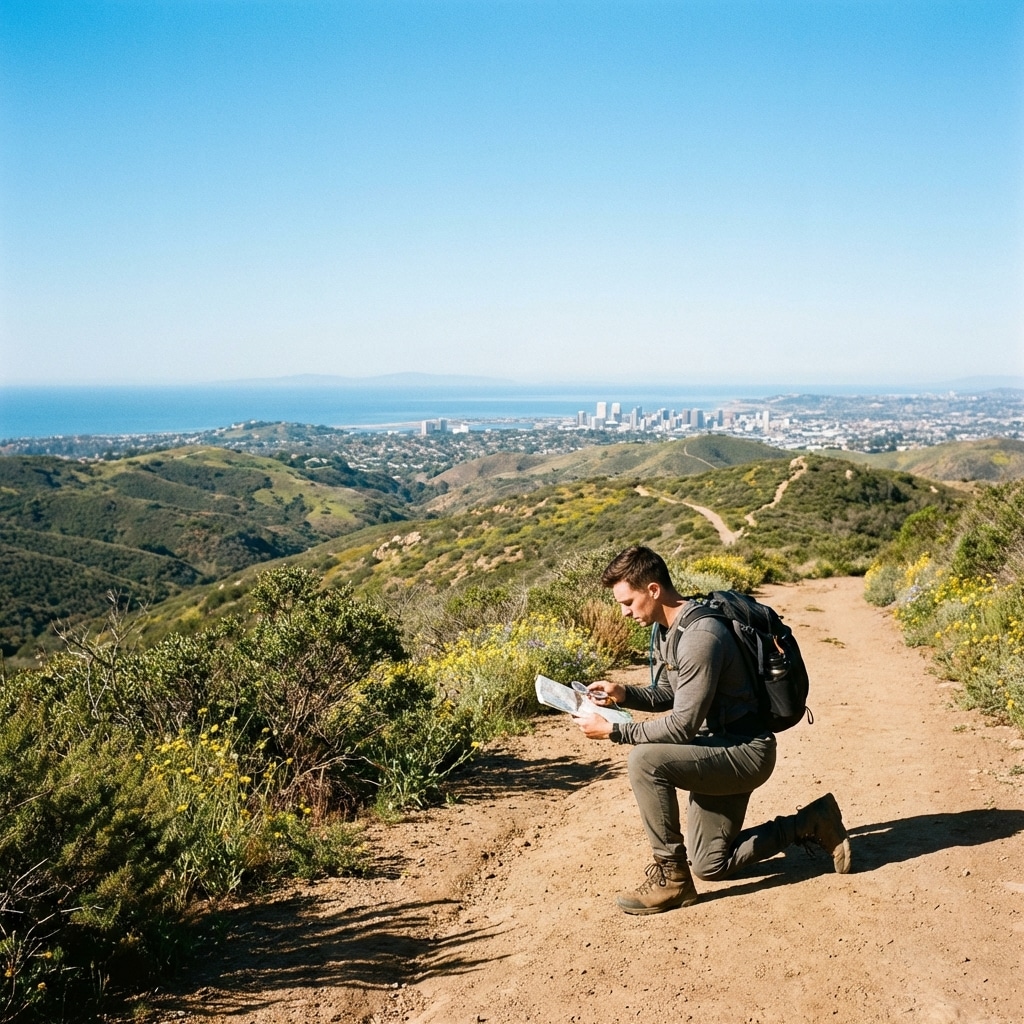
Tired of the same old hiking trails? Craving an adventure that truly pushes your boundaries and rewards you with breathtaking views and an incredible sense of accomplishment? If you’re seeking a unique blend of thrill, skill, and unparalleled connection with nature, then abseiling (also known as rappelling) might just be your next passion.
This isn’t just about descending a cliff; it’s about mastering control, trusting your gear, and conquering fears. Ready to swap your everyday routine for an adrenaline-fueled descent? Let’s delve into everything you need to know to start your abseiling journey.
What Exactly is Abseiling (Rappelling)?
At its core, abseiling is a controlled descent down a steep rock face, cliff, or other vertical surface using a rope and a specialized friction device. It’s a fundamental skill for climbers, mountaineers, cavers, and rescue teams, allowing them to safely navigate otherwise inaccessible terrains.
The process involves anchoring a rope at the top, threading it through a descender device attached to your harness, and carefully controlling the rate of your descent with your hands and body positioning. It’s a symphony of physics, precision, and personal courage.
Why Should You Learn Abseiling? Beyond the Adrenaline Rush
While the sheer exhilaration is often the first thing people think of, learning to abseil offers a wealth of benefits that extend far beyond a momentary thrill.
Unforgettable Adventure: Experience unique perspectives and access parts of the natural world few others get to see. The views from a cliff edge before your descent are simply spectacular.
Boosted Physical Fitness: Abseiling engages your core, legs, and upper body, improving strength, balance, and coordination. It’s an active and dynamic way to stay in shape.
Enhanced Mental Resilience: Facing the challenge of a vertical descent builds incredible confidence and mental fortitude. Overcoming fears and trusting your skills fosters resilience applicable to all aspects of life.
Gateway to Other Sports: For aspiring climbers and mountaineers, abseiling is an essential skill, enabling safe descents after ascents. It opens doors to multi-pitch climbing, caving, and more advanced outdoor pursuits.
Stress Relief and Focus: The intense focus required during an abseil can be incredibly meditative, providing a unique escape from daily stresses and a deep connection with the present moment.
The Essentials of Learning Abseiling: Your Step-by-Step Guide
Embarking on your abseiling journey requires a structured approach. Prioritizing safety and proper technique from day one is paramount.
1. Get the Right Equipment (and Understand It)
Your gear is your lifeline. Investing in quality, certified equipment is non-negotiable. Here’s what you’ll need:
Climbing Rope: Dynamic or static, depending on the application. It needs to be the correct length and strength.
Harness: A comfortable and secure climbing harness is essential to connect you to the rope.
Descender Device: Tools like an ATC, Figure 8, or Grigri allow you to control your descent speed.
Carabiners: Locking carabiners are crucial for connecting your harness to your descender and anchors.
Helmet: Protect your head from falling debris and impacts – always wear one!
Gloves: Protect your hands from rope burn and provide better grip.
Always check your equipment for wear and tear before each use, and understand how each piece functions.
2. Learn the Foundational Techniques and Safety Protocols
Before you even think about stepping off a cliff, you must master the basics. This includes:
Knot Tying: Essential knots like the figure-eight follow-through, double fisherman’s bend, and clove hitch.
Harness Fitting: How to correctly put on and adjust your harness for a snug, safe fit.
Descender Use: Proper loading of the rope into your descender and understanding hand positions for control.
Body Positioning: Maintaining balance and control on the rock face.
Communication: Clear communication with your belayer or instructor is vital.
Anchor Systems: Understanding how to assess and set up secure anchor points (though beginners will rely on instructors for this).
These fundamental skills are best learned under the direct supervision of an experienced and certified instructor.
3. Prioritize Professional Guidance: Take an Abseiling Course
This is arguably the most crucial step for any beginner. While online videos can offer a glimpse, nothing replaces hands-on instruction from a qualified professional.
Expert Instruction: Learn correct techniques and safety protocols from the ground up.
Safe Environment: Courses provide a controlled setting with proper safety backups and supervision.
Quality Equipment: Reputable courses often provide well-maintained, approved equipment for you to learn with.
Personalized Feedback: Instructors can identify and correct errors in real-time, preventing bad habits.
Look for courses accredited by recognized mountaineering or climbing organizations in your region.
4. Practice Makes Perfect (Gradual Progression)
Like any skill, abseiling improves with consistent practice. Start with smaller, less intimidating descents and gradually increase the height and complexity as your confidence and proficiency grow.
Always practice with an experienced partner or instructor, especially in the early stages, to ensure safety and reinforce good habits. Repetition builds muscle memory and sharpens your instincts.
Is It Safe to Abseil? Minimizing Risks, Maximizing Fun
Abseiling is an activity with inherent risks, but when done correctly and with proper precautions, it is remarkably safe. The vast majority of accidents result from human error – often due to lack of training, faulty equipment, or complacency.
Your safety hinges on:
Accredited Training: This is your number one defense against accidents.
Proper Equipment: Use only certified, well-maintained gear appropriate for the task.
Thorough Checks: Perform multiple safety checks on all gear, knots, and anchor systems before every descent.
Constant Vigilance: Stay focused and aware of your surroundings and your rope.
Never Exceed Your Limits: Progress gradually and don’t attempt descents beyond your current skill level or comfort zone.
By respecting the inherent risks and adhering strictly to safety protocols, you can enjoy abseiling for many years to come.
Ready to Take the Plunge?
Learning abseiling is more than just picking up a new hobby; it’s an investment in adventure, personal growth, and a deeper appreciation for the outdoors. It challenges you physically and mentally, rewarding you with unparalleled experiences and a profound sense of achievement.
Whether you’re an aspiring mountaineer, an adventure enthusiast seeking your next thrill, or simply looking for a unique way to stay active, abseiling offers a gateway to exhilarating vertical exploration. Remember: learn from the best, use the right gear, and always put safety first. Your next great outdoor adventure awaits!