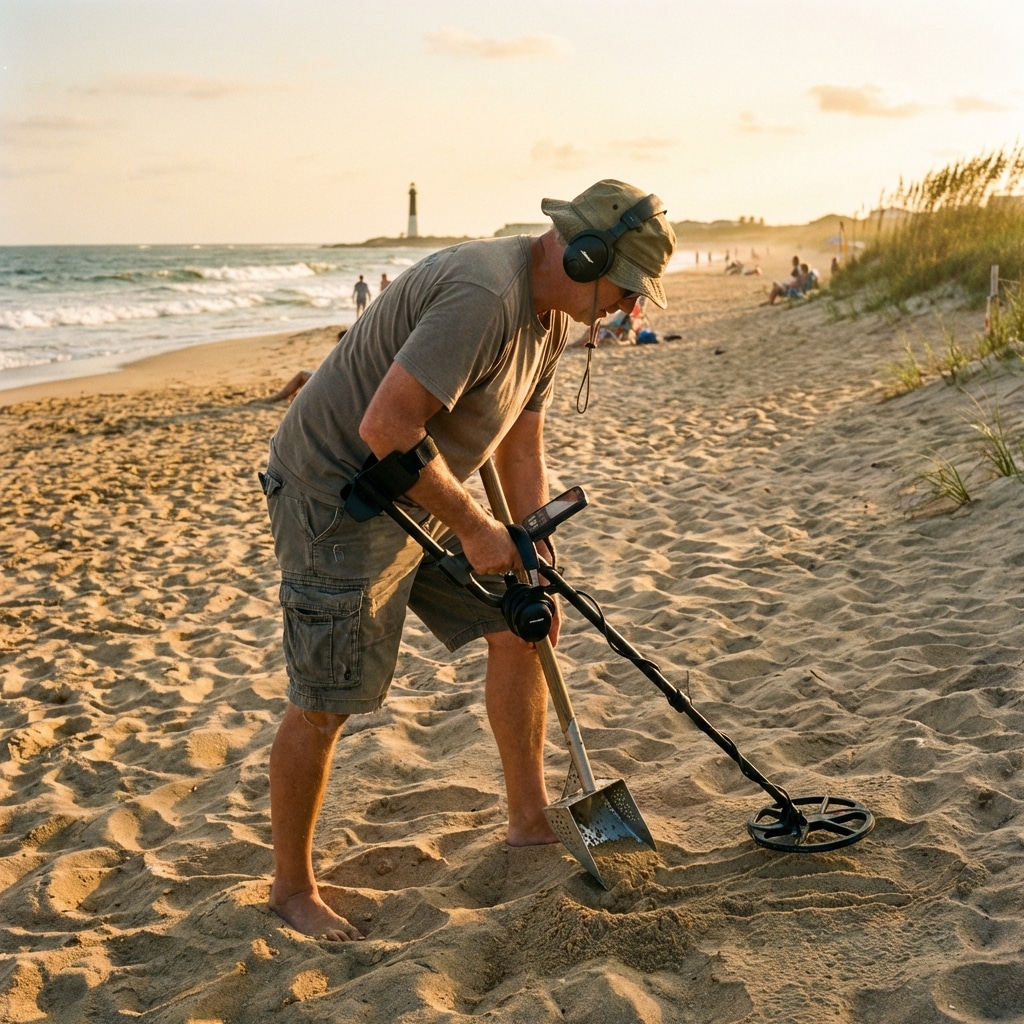
Do you dream of unearthing forgotten relics or dazzling treasures with your metal detector? It’s a thrilling hobby that connects you directly to history. However, before you swing your coil, understanding the intricate web of metal detecting laws by state is absolutely critical. Ignoring these rules isn’t just a minor oversight; it can lead to hefty fines, equipment confiscation, or even serious legal trouble.
This comprehensive guide will equip you with the essential knowledge to detect responsibly and legally across the United States. We’ll dive into why these laws exist, highlight key state-specific regulations, and show you exactly how to find the rules for your next treasure hunt.
Why Metal Detecting Laws Exist (And Why They Matter So Much)
You might wonder why a seemingly harmless hobby like metal detecting needs such strict regulations. The answer is simple and profound: preservation. Our land holds invaluable archaeological sites, cultural heritage, and fragile natural ecosystems.
Undisturbed sites often contain crucial historical data, from ancient artifacts to evidence of past civilizations. Irresponsible digging can permanently destroy these non-renewable resources, erasing vital pieces of our shared human story. Beyond history, many areas are protected to safeguard wildlife, rare plant species, or delicate geological formations.
Do All States Share the Same Rules? (Spoiler: No!)
This is where it gets complex. There isn’t a single, uniform federal law governing metal detecting that applies everywhere. Instead, laws vary dramatically from state to state, and even between counties, cities, and specific land types within a single state.
What’s perfectly legal on a public beach in one area might be strictly prohibited in a state park just miles away. This makes thorough research a non-negotiable step for every responsible detectorist.
Navigating Metal Detecting Laws by State: Your Essential Guide
Understanding the specific regulations for each state can feel overwhelming. While this guide provides an excellent starting point, always remember to verify current rules with local authorities before you begin. Laws are dynamic and can change frequently.
California Metal Detecting Laws: What You Need to Know
In the Golden State, metal detecting is generally permitted on many public beaches and some designated public lands. However, key restrictions apply.
Prohibited Areas: Metal detecting is typically forbidden in California State Parks, protected historical sites, archaeological preserves, and Native American cultural sites.
Permits: For certain public lands, or if you plan to dig extensively, a permit may be required. Always check with the specific land management agency.
Local Variations: Rules can differ between cities and counties, so it’s wise to consult local municipal park departments.
Florida Metal Detecting Laws: Treasure Hunting in the Sunshine State
Florida’s long coastline makes it a popular destination for beach detecting. Generally, metal detecting is allowed on public beaches, provided it’s not within a protected sanctuary or historical area.
No-Go Zones: Detecting is strictly prohibited on historical, archaeological, or culturally significant sites, which are plentiful in Florida. This includes many state parks and areas near shipwrecks.
State Parks: Most Florida State Parks prohibit metal detecting without special permission, which is rarely granted for artifact recovery.
County/City Rules: Laws can vary significantly by county or city, particularly regarding beach access and digging depth. Always check local ordinances.
New York Metal Detecting Laws: Exploring the Empire State
New York offers diverse landscapes, but its metal detecting laws emphasize preservation. While some state parks may permit detecting, others strictly prohibit it.
State Parks: Permission from the specific park manager is almost always required to metal detect in New York State Parks. Rules often limit detecting to specific areas and prohibit digging for historical artifacts.
Prohibited Sites: Historical sites, archaeological preserves, and battlefields are typically off-limits for metal detecting.
Private Land: You can detect on private property with explicit written permission from the landowner.
Texas Metal Detecting Laws: Digging in the Lone Star State
In Texas, metal detecting regulations are designed to protect the state’s rich historical and natural resources.
State Parks and Historical Sites: Texas State Park rules strictly prohibit metal detecting in protected areas, cultural sites, and archaeological zones.
Public Beaches: Many public beaches generally permit metal detecting, though a permit may be required, and regulations can vary significantly by municipality.
Private Property: As with most states, detecting on private land is allowed only with the landowner’s explicit permission.
How to Research Your State’s Metal Detecting Laws (Beyond This Guide)
If your state wasn’t listed above, or you need more granular detail, don’t worry! There are reliable ways to find the precise regulations for your area. Your diligence here is your best defense against legal issues.
State Parks and Recreation Websites: This is your primary resource. Look for sections on “Visitor Rules,” “Prohibited Activities,” or specifically “Metal Detecting.”
City/County Park Departments: For local parks and beaches, consult the municipal or county parks and recreation websites.
Bureau of Land Management (BLM): If you plan to detect on federal lands, the BLM website provides specific guidelines. Remember, artifacts found on federal land usually belong to the government.
Local Historical Societies: These groups often have an excellent understanding of local archaeological sensitivities and could guide you to legal detecting areas.
Metal Detecting Clubs: Local clubs are invaluable resources. Members often have years of experience and deep knowledge of specific local laws, permits, and ethical practices.
Contact Land Managers Directly: When in doubt, call the specific park office, beach authority, or property manager. Getting permission or clarification in writing is always best.
Serious Consequences: What Happens If You Ignore the Rules?
The excitement of a potential find should never overshadow the importance of legal compliance. Ignoring state metal detecting laws can lead to severe repercussions, impacting both you and the metal detecting community.
Fines: Monetary penalties can range from hundreds to thousands of dollars, depending on the severity of the offense and the location.
Equipment Confiscation: Your valuable metal detector and accessories can be seized by authorities.
Criminal Charges: In cases involving significant archaeological damage, theft of cultural artifacts, or repeated violations, criminal charges can be filed, leading to jail time.
Damage to the Hobby: Irresponsible detecting gives the entire hobby a bad name, leading to more restrictions for everyone.
Responsible Metal Detecting Practices: A Quick Checklist
Beyond just knowing the laws, being a responsible detectorist means adopting ethical practices that protect our environment and heritage.
Always Get Permission: For private land, get written permission. For public lands, understand the specific regulations.
Fill Your Holes: Leave no trace. Dig carefully, remove your find, and fill the hole completely so no one knows you were there.
Respect Property: Stay within designated areas and never trespass.
Report Significant Finds: If you uncover something of potential archaeological or historical significance, especially on public land, report it to the relevant authorities.
Pack It In, Pack It Out: Take all your trash, and any trash you find, with you.
Know Your Land Status: Understand if you are on federal, state, county, municipal, or private land, as each has different rules.
Conclusion: Hunt Smart, Hunt Legal, Hunt Happy!
Metal detecting offers a unique blend of adventure, history, and outdoor enjoyment. To truly maximize your experience and ensure the longevity of this fascinating hobby, strict adherence to metal detecting laws by state is paramount.
By investing a little time in research and embracing responsible practices, you protect not only yourself but also the precious historical and natural landscapes we all share. So, arm yourself with knowledge, respect the rules, and embark on your next treasure-hunting journey with confidence. Happy, legal, and responsible hunting!