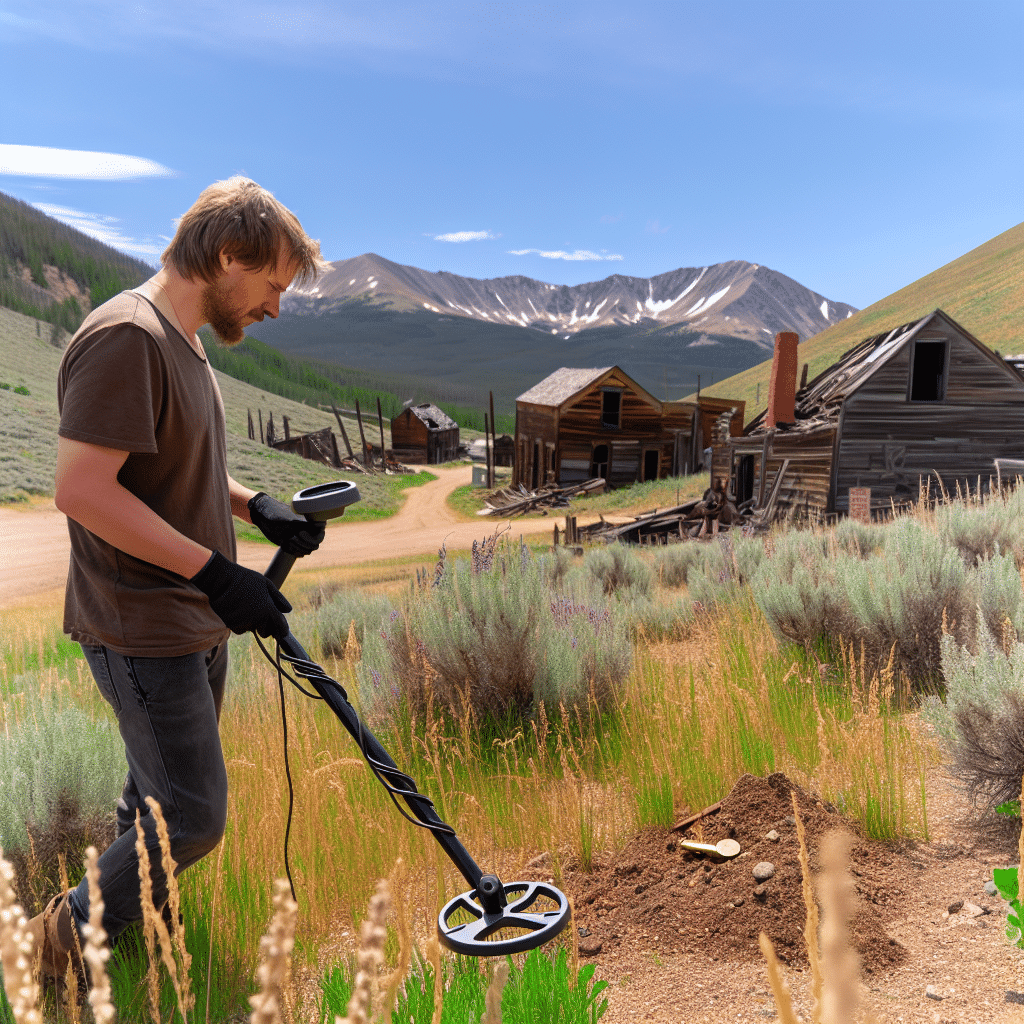
You’ve got the metal detector, the headphones, and the burning desire to unearth something incredible. You’ve heard that satisfying “BEEP!” – the sound of potential history, a lost coin, or perhaps even a valuable piece of jewelry. But what happens next? Digging blindly with your hands or a standard shovel can be frustrating, slow, and even risks damaging your precious find.
This is where the unsung hero of treasure hunting comes in: the metal detecting scoop. It’s not just any digging tool; it’s a specialized instrument designed to streamline your recovery process, protect your finds, and make every dig more efficient and enjoyable. Without one, you’re missing a crucial piece of your metal detecting arsenal.
In this comprehensive guide, we’ll dive deep into what makes a great metal detecting scoop, explore the different types available for various terrains, and share expert tips on how to use yours to pinpoint and unearth history responsibly, one scoop at a time.
What is a Metal Detecting Scoop and Why is it Essential?
A metal detecting scoop is a purpose-built excavation tool specifically engineered for retrieving targets discovered by a metal detector. Unlike a garden trowel or shovel, these scoops feature a slightly curved blade, often with sharp, serrated edges, and a perforated design. These features allow you to quickly cut through soil and efficiently sift out loose dirt, leaving your find exposed.
Beyond simple digging, a quality metal detecting scoop offers several invaluable benefits:
Rapid Target Recovery: Its design allows for quick removal of soil, separating your target from the surrounding earth in seconds.
Protection for Your Finds: The specialized shape and material prevent accidental scratching or damage to delicate relics and coins.
Enhanced Efficiency: Less time struggling with digging means more time swinging your coil and finding more treasures.
Versatility Across Terrains: Different scoops are optimized for sand, dirt, clay, or rocky ground, ensuring you have the right tool for any environment.
Responsible Detecting: A clean, precise dig minimizes disturbance to the landscape, making it easier to fill your holes neatly and leave no trace.
Unearthing the Right Tool: Types of Metal Detecting Scoops
The best metal detecting scoop for you largely depends on where you plan to hunt and what kind of targets you expect to find. Each material offers distinct advantages and disadvantages.
Stainless Steel Scoops
These are the workhorses of the metal detecting world. Constructed from robust stainless steel, these scoops are incredibly durable and built to withstand the toughest conditions. They feature sharp edges that cut through compacted soil, roots, and even light gravel with ease.
Durability: Highly resistant to bending, breaking, and corrosion, making them ideal for long-term use.
Weight & Leverage: Generally heavier, which provides excellent leverage for cutting through stubborn ground.
Ideal For: Relic hunting in fields, coin shooting in parks with hard-packed soil, forest detecting.
Considerations: Can be heavier to carry for extended periods and are often the most expensive option.
Aluminum Scoops
Aluminum scoops strike a balance between strength and portability. They are significantly lighter than stainless steel counterparts, making them perfect for long detecting sessions or when minimizing gear weight is crucial. Their corrosion resistance also makes them an excellent choice for wet conditions.
Lightweight: Reduces fatigue, easy to carry and maneuver.
Corrosion Resistant: Excellent for saltwater beach detecting and other wet environments.
Strength: Very durable for most soil types, though they may flex or bend under extreme force in rocky ground.
Ideal For: Beach detecting (wet and dry sand), general park hunting, lightweight travel.
Considerations: Perforations are often larger for quick sand sifting, but may lose very small targets in loose soil.
Plastic Scoops
Plastic metal detecting scoops are an accessible and lightweight option, particularly popular among beginners or for specific detecting scenarios. They are often the most affordable choice, making them a great entry point into the hobby.
Budget-Friendly: An economical choice for those just starting out or as a backup scoop.
Ultra-Lightweight: Extremely easy to handle, especially for children or those who prefer minimal gear weight.
Non-Metallic: Some prefer plastic to avoid any potential interference with their metal detector, though this is rarely an issue with other scoop types.
Ideal For: Dry sand, very shallow water, highly manicured parks with soft, loose soil.
Limitations: Less durable than metal scoops, not suitable for hard-packed ground, rocky areas, or heavy-duty digging.
Mastering the Dig: How to Effectively Use Your Metal Detecting Scoop
Using your metal detecting scoop correctly ensures you retrieve your finds quickly, efficiently, and responsibly. Here’s a step-by-step guide to mastering your digging technique:
Step 1: Pinpoint Your Target Precisely
Before you even think about digging, pinpoint your target’s exact location and approximate depth. Use your metal detector’s pinpoint mode or a separate handheld pinpointer. This crucial step minimizes the size of your excavation and reduces the chance of damaging your find. The goal is to dig as little as possible.
Step 2: Excavate with Care and Precision
Once pinpointed, choose your digging method based on the terrain. For turf, cut a neat, circular “plug” around the target area. Use the sharp edge of your scoop to create clean cuts, minimizing disturbance. For sand, simply scoop a generous amount of material directly from the target area into your scoop. Always angle your scoop slightly away from where you believe the target lies to avoid striking it directly.
Step 3: Sift, Locate, and Recover
With the soil or sand in your scoop, gently shake or fan it to allow loose material to fall through the perforations. Keep a close eye on the remaining contents. Your target should soon reveal itself. Once located, carefully pick up your find, making sure to avoid scratching it. If the target isn’t immediately visible, check the hole again or expand your search area slightly, scooping more material.
Step 4: Restore the Area Completely
Environmental responsibility is paramount in metal detecting. Always fill your holes neatly. If you cut a turf plug, replace it carefully, ensuring it’s level with the surrounding ground. For sand, simply smooth it over. Leaving no trace not only protects the environment but also maintains good relations with landowners and ensures future access for all detectorists.
Choosing the Best Metal Detecting Scoop for Your Adventures
With various options available, selecting the ideal scoop involves considering your primary detecting locations and preferences:
Terrain: If you’re primarily on beaches, a lightweight aluminum scoop is perfect. For hard-packed soil, fields, or relic hunting, a robust stainless steel scoop is invaluable.
Target Type: Smaller perforations are better for very small targets like hammered coins or tiny jewelry, while larger holes are excellent for quickly sifting through sand for larger items.
Handle Length: Consider scoops with longer handles to reduce bending if you have back issues, or shorter, more compact designs for precise work and easy transport.
Budget: Plastic scoops offer an affordable entry point, while high-quality stainless steel models represent a greater investment but superior durability.
Conclusion: Dig Deeper, Find More
A metal detecting scoop is far more than just a digging tool; it’s an indispensable companion that significantly enhances your treasure hunting experience. It empowers you to recover targets faster, protect your valuable finds, and detect responsibly, leaving the environment as you found it.
By understanding the different types of scoops and mastering effective digging techniques, you’re not just equipped for success – you’re poised to unearth countless fascinating pieces of history. Invest wisely, practice your technique, and get ready to transform every “BEEP!” into a thrilling recovery. Happy hunting!