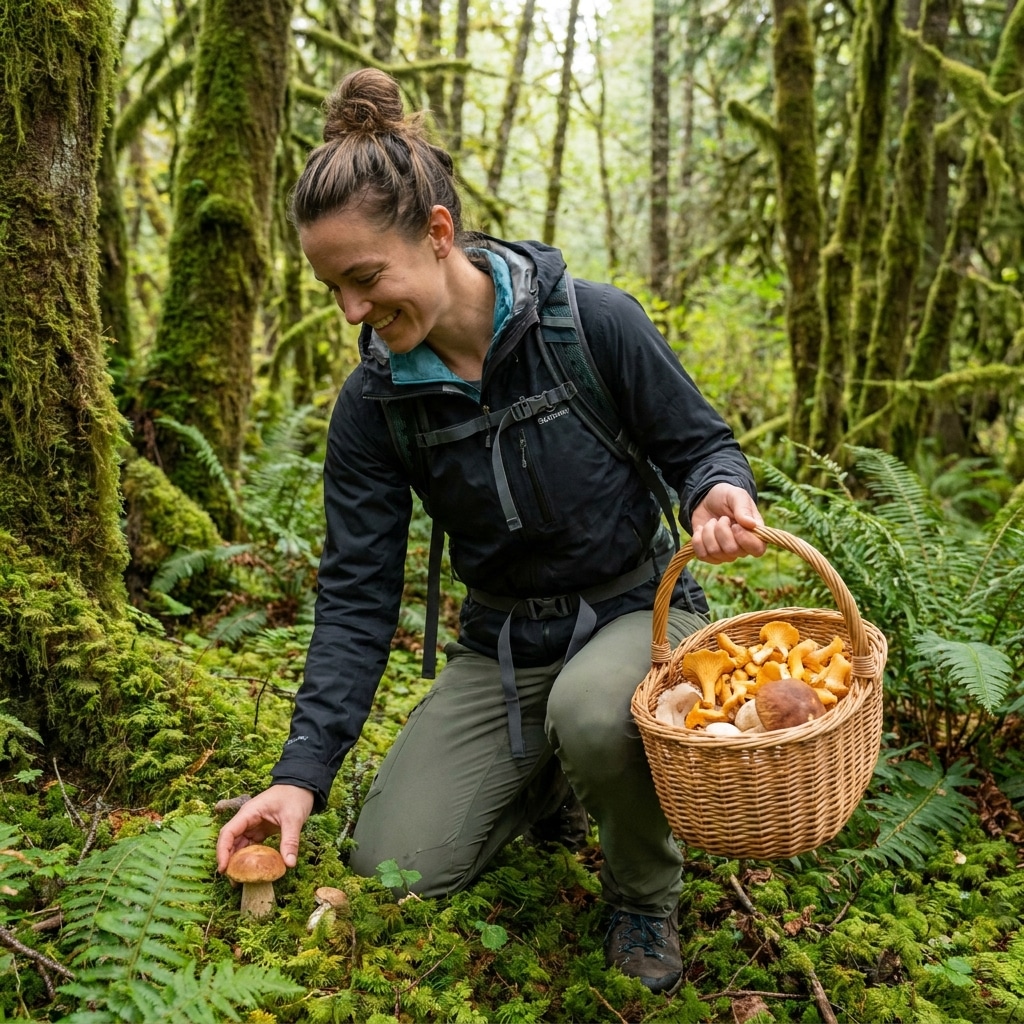
Imagine the crisp spring air, the scent of damp earth, and the exhilarating moment you spot that unmistakable honeycomb cap peeking from the forest floor. This isn’t just a dream – it’s the thrilling reality of morel mushroom hunting in Wisconsin. Foraging for these culinary gems has exploded in popularity, blending outdoor adventure with the ultimate reward: a basket full of delicious, highly-prized morels.
Wisconsin, with its diverse ecosystems, rich soils, and favorable climate, stands out as a premier destination for both seasoned hunters and curious beginners eager to discover this woodland delicacy. Get ready to uncover the secrets of a bountiful morel season!
Morel Mushroom Hunting in Wisconsin: Your Ultimate Guide to a Bountiful Spring Harvest
Why Wisconsin is a Morel Mushroom Hotspot
Wisconsin offers a unique combination of geographic features and environmental conditions that make it an exceptional location for morel mushroom hunting. Its varied landscapes, shaped by ancient glaciers, provide diverse habitats where these elusive fungi thrive.
The Perfect Climate and Terrain for Wisconsin Morels
From the dense forests of the north to the rolling hills and river valleys of the south, Wisconsin’s terrain is incredibly varied. This diversity ensures a wider range of microclimates and soil types, ideal for morel growth. Spring in Wisconsin brings the necessary sequence of warm rains followed by consistent daytime temperatures that coax morels from the earth.
Beyond just the weather, the state’s healthy populations of specific tree species are crucial. Morels frequently form symbiotic relationships with decaying elm, ash, and apple trees, along with certain oaks. Wisconsin has an abundance of these “host” trees, increasing your chances of a successful hunt.
Timing Your Hunt and Discovering Prime Morel Locations
Success in morel hunting often comes down to precise timing and knowing exactly where to look. These ephemeral fungi appear for only a short window each spring, making every moment in the woods precious.
When Does Morel Season Peak in Wisconsin?
The morel mushroom hunting season in Wisconsin typically spans from late April to early June. The exact start and end dates depend heavily on regional weather patterns and soil temperatures. Experienced hunters often monitor soil thermometers.
Soil Temperature: Look for consistent soil temperatures between 45 and 55 degrees Fahrenheit (7-13°C) at a depth of 4-6 inches.
Weather Clues: Warm, humid nights following spring rains are ideal. A general rule of thumb is that morels appear when lilacs bloom and oak leaves are the size of a squirrel’s ear.
Elevation & Aspect: Early in the season, check south-facing slopes, as they warm up faster. As the season progresses, shift to north-facing slopes and shaded areas.
Top Spots to Find Morels Across Wisconsin
While morels can appear almost anywhere, certain environments consistently yield better results. Focusing your efforts on these prime locations will significantly boost your harvest.
Dead or Dying Trees: Your best bet is often around dead or dying elm, ash, and apple trees. Look for “ghost trees” – standing dead elms with peeling bark – as these are notorious morel magnets.
State Parks and Forests: Popular spots like the Kettle Moraine State Forest and Chequamegon-Nicolet National Forest are known for their morel populations. Always check local regulations for foraging permits or restrictions.
River Bottoms: Floodplains and areas along rivers and creeks often have rich, moist soil and a good concentration of deciduous trees that morels love.
Burn Areas: Surprisingly, areas that experienced wildfires the previous year can be incredibly fruitful. Morels thrive on the changed soil chemistry in post-burn environments.
Mastering Morel Identification and Staying Safe
Correct identification is paramount when foraging for any wild mushroom. While morels are distinctive, knowing their key characteristics is crucial to avoid dangerous lookalikes and ensure a safe, enjoyable experience.
Key Features: How to Spot a True Morel
True morels boast several unique identifiers that set them apart. Familiarize yourself with these traits before heading into the woods.
Honeycomb Cap: The most recognizable feature is their deeply pitted, honeycomb-like cap, which is usually conical or oval-shaped.
Attached Cap: The cap is fully attached to the stem, forming a continuous structure, unlike some false morels where the cap hangs freely.
Hollow Interior: Crucially, a true morel is hollow from the tip of its cap to the base of its stem when cut vertically. This is a definitive safety check.
Color Variations: Morels come in various shades, from light tan and gray (gray morels, typically earlier in the season) to darker brown (yellow morels, later in the season).
Critical Safety: Distinguishing True Morels from False Lookalikes
While morels are relatively easy to identify once you know what to look for, several poisonous mushrooms can resemble them. Consuming a false morel can lead to severe gastrointestinal distress, neurological symptoms, or worse.
False Morels (Gyromitra spp.): These often have a wrinkled, brain-like or convoluted cap, rather than a truly pitted, honeycomb appearance. Their caps are often reddish-brown.
Cottony Interior: Unlike true morels, false morels are not hollow throughout when sliced open. They often contain a cottony, chambered, or solid interior.
Cap Attachment: In some false morels, the cap may not be fully attached to the stem, leaving a small overhang or free edge.
“When in Doubt, Throw It Out”: This golden rule of mushroom foraging is non-negotiable. If you have any uncertainty about an identification, do not consume the mushroom. Consult multiple field guides or an experienced mycologist.
Responsible Foraging: Ensuring Morels for Future Generations
The popularity of morel hunting means we must all practice responsible foraging. Ethical harvesting ensures that morel populations remain healthy and abundant for years to come, preserving this cherished spring tradition.
Sustainable Practices for Every Morel Hunter
Harvest Wisely: Only pick mature morels, leaving smaller ones to grow. Avoid taking every mushroom from a patch; leave some behind to drop spores naturally.
Use a Mesh Bag: Ditch plastic bags! A mesh bag or onion sack allows spores to disperse as you walk, effectively reseeding the forest floor and promoting future growth.
Cut, Don’t Pull: Use a knife to cut the morel stem at ground level, rather than pulling it out. This minimizes disturbance to the mycelial network beneath the soil.
Respect the Land: Always adhere to public land regulations and never trespass on private property. Leave no trace, packing out everything you pack in.
Conclusion: Your Wisconsin Morel Adventure Awaits!
Morel mushroom hunting in Wisconsin offers an unparalleled blend of outdoor adventure, connection with nature, and the ultimate culinary reward. With the right knowledge, a keen eye, and a commitment to ethical practices, you’re well-equipped to embark on a thrilling journey through Wisconsin’s spring woodlands.
So, gather your gear, learn the signs, and prepare for the pure joy of discovering these golden treasures. Happy hunting, and may your basket be bountiful!