The Ultimate Guide to Mountain Biking Shorts: Comfort, Protection, and Performance on the Trail
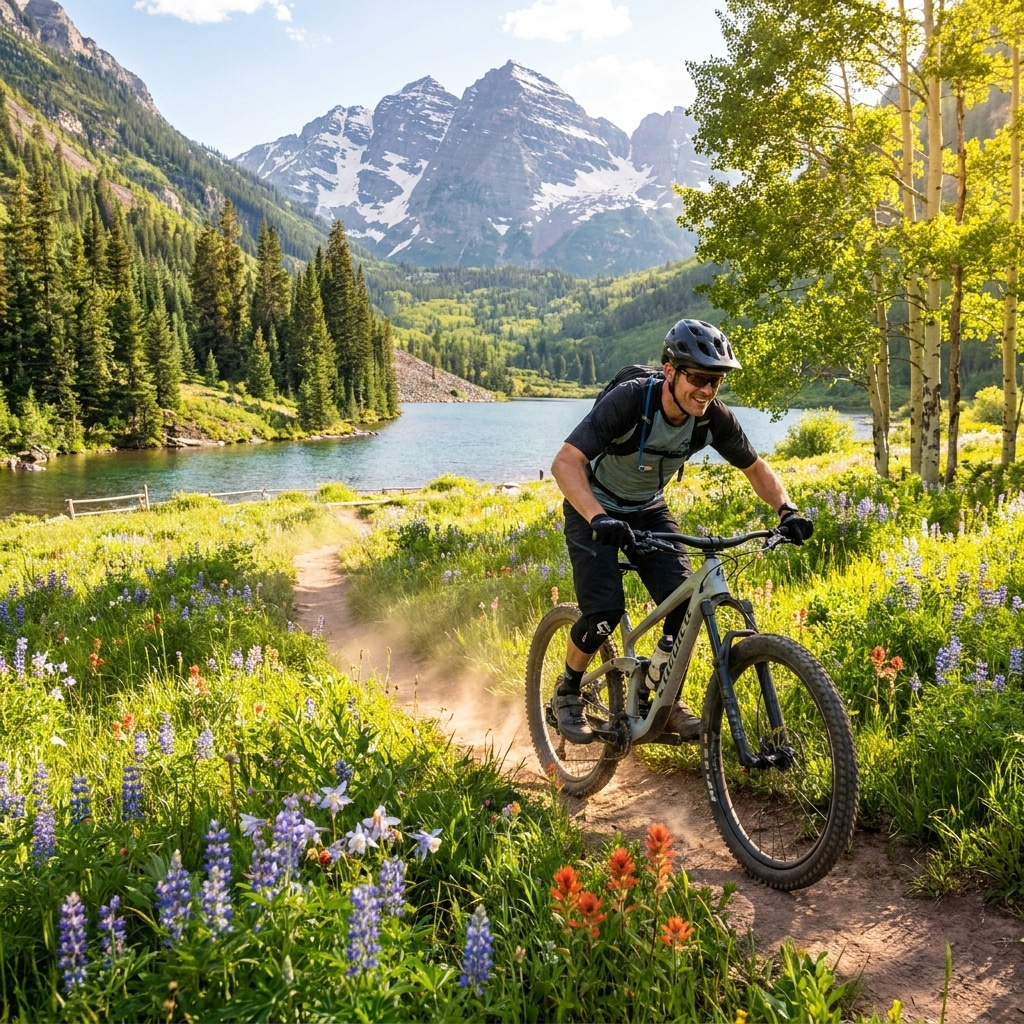
Picture this: you’re shredding down a challenging trail, feeling every bump and turn, but instead of focusing on the thrill, you’re distracted by chafing, discomfort, or the nagging worry of a minor fall. Sound familiar? Mountain biking is an exhilarating sport, but without the right gear, that adventure can quickly turn uncomfortable.
Enter mountain biking shorts – a piece of apparel far more critical than many riders realize. Designed specifically to tackle the unique demands of the trail, these aren’t just any shorts. They’re engineered for protection, built for comfort, and optimized to enhance your performance. If you’ve ever wondered what makes them so special, why they’re essential, or how to pick the perfect pair, you’ve come to the right place. Let’s dive deep into everything you need to know to elevate your riding experience.
What Exactly *Are* Mountain Biking Shorts? More Than Just Fabric!
At first glance, mountain biking shorts might resemble regular athletic shorts, but a closer look reveals their specialized design. These are purpose-built garments engineered to meet the unique demands of off-road cycling, offering a critical blend of durability, flexibility, and comfort.
The core design typically features a durable outer shell, often made from rugged, tear-resistant materials like nylon or polyester blends. This outer layer is usually loose-fitting, allowing for unrestricted movement and accommodating knee pads. Inside, you’ll find a crucial component: a padded liner, known as a chamois.
Why Aren’t Regular Shorts Enough? The Indispensable Benefits of MTB Shorts
Attempting a rugged trail ride in standard gym shorts is a recipe for discomfort and potential injury. Mountain biking shorts are an indispensable part of your kit for several compelling reasons, directly addressing the challenges of the trail.
Unrivaled Comfort for Long Rides
Chafing & Friction Reduction: The seamless, moisture-wicking chamois liner minimizes skin irritation, keeping you comfortable even on the longest ascents and descents.
Sit Bone Pressure Relief: Multi-density padding strategically placed in the chamois absorbs shock and distributes pressure, preventing soreness and numbness in your delicate sit bones.
Vibration Dampening: The integrated padding helps to reduce trail chatter and vibrations transferred from the bike, diminishing fatigue and enhancing your overall riding experience.
Crucial Protection Where It Counts
Abrasion Resistance: The robust outer shell is designed to withstand scrapes against rocks, branches, and the inevitable tumbles that come with aggressive trail riding, protecting your skin from injury.
Minor Impact Absorption: While not full body armor, the thicker fabric and padding offer a degree of protection against minor impacts and bruising.
UV and Element Protection: Many MTB shorts offer UV protection, shielding your skin from harmful sun rays during long hours outdoors. Water-resistant coatings can also ward off splashes and light rain.
Unrestricted Movement & Enhanced Performance
Freedom to Move: Unlike tight road shorts, the baggier fit of MTB shorts allows for a full range of motion, crucial for navigating technical terrain, shifting weight, and throwing your bike around corners.
Seamless Integration with Gear: Designed to fit comfortably over knee pads without bunching or restricting movement, a common issue with non-specific shorts.
Breathability & Ventilation: Advanced fabrics and strategically placed vents ensure optimal airflow, preventing overheating on strenuous climbs and warm days.
Practicality on the Trail
Modern mountain biking shorts often come equipped with secure, zippered pockets, perfect for stashing essentials like your phone, trail snacks, multi-tool, or keys. This keeps vital items close at hand and secure, preventing them from bouncing around or getting lost.
How to Choose Your Perfect Pair of Mountain Biking Shorts: A Buyer’s Guide
With a vast array of mountain biking shorts available, selecting the right pair can feel overwhelming. Consider these key factors to ensure you invest in shorts that perfectly match your riding style and comfort needs.
1. Material Matters: Durability & Breathability
Prioritize shorts made from robust, technical fabrics like ripstop nylon or durable polyester blends. These materials offer excellent abrasion resistance and typically feature four-way stretch for flexibility. Look for DWR (Durable Water Repellent) coatings if you frequently ride in damp conditions, and always ensure the fabric promotes breathability to manage sweat.
2. The Heart of the Short: Chamois & Padding
The quality and design of the internal chamois are paramount for comfort. Look for multi-density padding that offers targeted support for your sit bones without being excessively bulky. Chamois liners come in various shapes and thicknesses, often gender-specific, to cater to anatomical differences. Decide if you prefer a removable liner (more versatile for off-bike wear) or an integrated one.
3. Fit for Your Ride Style
While most MTB shorts are loose, the exact fit varies. Cross-country riders might prefer a slightly more athletic, streamlined fit, while enduro and downhill riders often opt for baggier shorts that easily accommodate knee pads and provide maximum range of motion. Ensure the waist adjustment (Velcro tabs, ratchets, or internal elastic) is secure and comfortable, preventing slippage on technical descents. The length should ideally cover the top of your knee pads to avoid a gap.
4. Essential Features & Storage
Consider how many pockets you need and their placement. Zippered pockets are ideal for securing valuables. Other features to look for include laser-cut ventilation holes, mesh panels for added airflow, and reflective elements for increased visibility in low light conditions. Some shorts even include goggle wipes or integrated tool loops.
5. Match Your Riding Discipline
Cross-Country (XC): Lighter weight, more breathable, often a slightly trimmer fit for efficiency.
Trail/Enduro: More robust, longer cut to accommodate knee pads, good balance of durability and ventilation.
Downhill (DH): Heaviest duty, maximum durability, often integrated impact protection, looser fit for protective gear.
Extend the Life of Your MTB Shorts: Care Tips
Proper care will significantly prolong the life and performance of your mountain biking shorts. Always follow the manufacturer’s washing instructions, typically machine wash cold with a mild detergent and air dry. Avoid fabric softeners, as they can break down technical fibers and impair moisture-wicking properties.
Ready for the Ride: The Right Shorts Make All the Difference
Mountain biking shorts are far from a luxury; they are a fundamental piece of gear that directly impacts your comfort, safety, and enjoyment on the trails. By understanding their specialized design and knowing what to look for, you can select a pair that truly enhances your riding experience.
Invest wisely in your next pair of MTB shorts, and prepare to tackle any trail with confidence, comfort, and a focus purely on the thrill of the ride. Happy shredding!