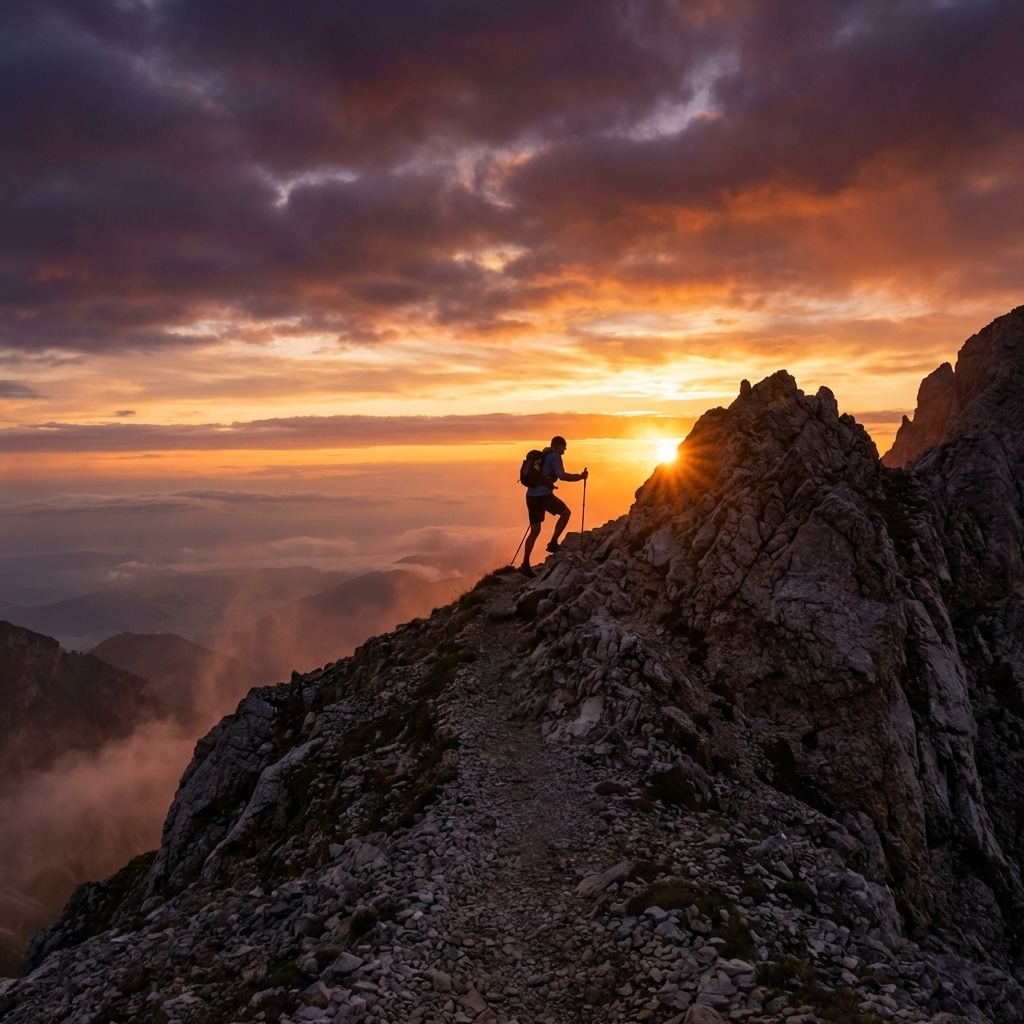
Mountain climbing isn’t just a sport; it’s a profound journey into the wild, a test of will, and a celebration of human endeavor. It calls for unwavering determination, honed skills, and peak physical condition. But even the strongest climber is vulnerable without one critical element: the right mountain climbing equipment.
From the towering peaks of the Himalayas to the rugged ascents of the Rockies, every climb demands reliable gear that ensures safety, enhances performance, and stands up to the harshest conditions. This comprehensive guide will navigate you through the essential climbing gear, helping you understand its purpose, importance, and how to make the best selections for your next adventure.
The Core Kit: Essential Mountain Climbing Equipment for Every Ascent
Before you even consider specialized tools, a fundamental set of gear forms the backbone of any climbing expedition. These items are indispensable, providing the basic protection and mobility needed for almost any mountain environment.
Footwear: Your Foundation on the Mountain
Your feet are your primary connection to the mountain, making proper footwear non-negotiable. Mountaineering boots are engineered for warmth, stability, and grip, often featuring insulation, waterproof membranes, and stiff soles for crampon compatibility.
Crampons, those formidable metal spikes fixed to your boots, are vital for traction on icy and snowy terrain. Selecting the right boot-crampon combination is crucial for safety and efficiency on glacial approaches and mixed climbing.
Harness & Ropes: Your Lifeline in the Vertical World
A climbing harness is your secure anchor, connecting you to the rope system for ascent, descent, and belaying. It must fit snugly yet comfortably, allowing for full range of motion.
The climbing rope is perhaps the most critical safety item, linking climbers together and to fixed anchors. Different types (dynamic for lead climbing, static for rappelling/hauling) serve distinct purposes, often paired with carabiners and belay devices for effective management.
Helmets: Protecting Your Most Valuable Asset
A sturdy climbing helmet is paramount for head protection against falling rocks, ice, and impacts from accidental falls. Modern helmets are lightweight, well-ventilated, and designed to absorb significant force. Always wear your helmet, even on “easy” sections.
Apparel & Layering: Dressing for Success
Effective layering is key to adapting to unpredictable mountain weather. Your clothing system should include moisture-wicking base layers, insulating mid-layers (fleece or down), and waterproof, windproof outer shells. Don’t forget insulated gloves, hats, and protective eyewear.
Beyond Basics: Specialized Gear for Advanced Climbs
As the complexity of your climb increases, so does the need for specialized tools. These items are designed to tackle specific challenges posed by different mountain environments.
Ice Axes & Tools: Conquering Frozen Terrain
For steep snow and ice, an ice axe is indispensable for balance, self-arrest, and step cutting. Technical ice tools, with their aggressive picks and ergonomic handles, are designed for vertical ice climbing, providing crucial purchase on frozen waterfalls and mixed routes.
Traveling across glaciers demands specialized equipment to manage crevasse fall risks. This includes pulleys, prusik cords, slings, and carabiners for building crevasse rescue systems. Snow stakes and ice screws provide vital anchors on soft snow or hard ice.
Climbing Protection & Anchors: Securing Your Ascent
On rock climbs, a variety of protection devices are used to secure your position and mitigate falls. Camming units (cams) and nuts are inserted into rock cracks, creating temporary anchors. Quickdraws connect the rope to these pieces, while belay devices manage the rope for safety.
Choosing Your Kit: Factors for Smart Gear Selection
With the vast array of mountain climbing equipment available, selecting the right gear can feel overwhelming. Your choices should prioritize safety, performance, and comfort, tailored to your specific climbing objectives.
Comfort & Fit: Your Personal Connection to the Mountain
Ill-fitting equipment can compromise both safety and enjoyment. Boots should provide ample toe room without slippage, while harnesses must be adjustable and comfortable under load. Always try gear on, ideally with the layers you’d wear while climbing, to ensure a perfect fit.
Weight & Durability: The Performance Balance
Every ounce counts on a long climb, so striking a balance between lightweight design and rugged durability is crucial. Materials like carbon fiber, titanium, and high-tenacity nylon offer excellent strength-to-weight ratios, but often come at a premium. Assess the expected wear and tear of your chosen route.
Trip Specifics & Conditions: Tailoring Your Arsenal
The “right” gear depends heavily on the specific mountain, route, and anticipated weather conditions. A summer rock climb in the Alps requires different gear than a winter expedition in Alaska. Research your objective thoroughly and consult experienced climbers for advice on local conditions.
Research & Reputable Brands: Investing in Quality & Safety
Your life literally depends on your climbing gear. Invest in products from reputable brands known for their quality, innovation, and commitment to safety standards (e.g., UIAA and CE certifications). Reading reviews, watching expert tutorials, and talking to seasoned climbers can provide invaluable insights.
The Bottom Line: Gear Up for a Safer, More Rewarding Climb
Mountain climbing is an exhilarating pursuit, but it demands respect, preparation, and the right tools. Investing in high-quality, properly fitted mountain climbing equipment is not just about convenience; it’s about maximizing your safety and optimizing your performance on challenging ascents.
While the latest gear can certainly enhance your experience, remember that no piece of equipment can replace solid climbing skills, thorough knowledge, and acute situational awareness. Combine intelligent gear choices with continuous learning and responsible practices, and you’ll be well-equipped to tackle new heights and create unforgettable memories in the mountains.