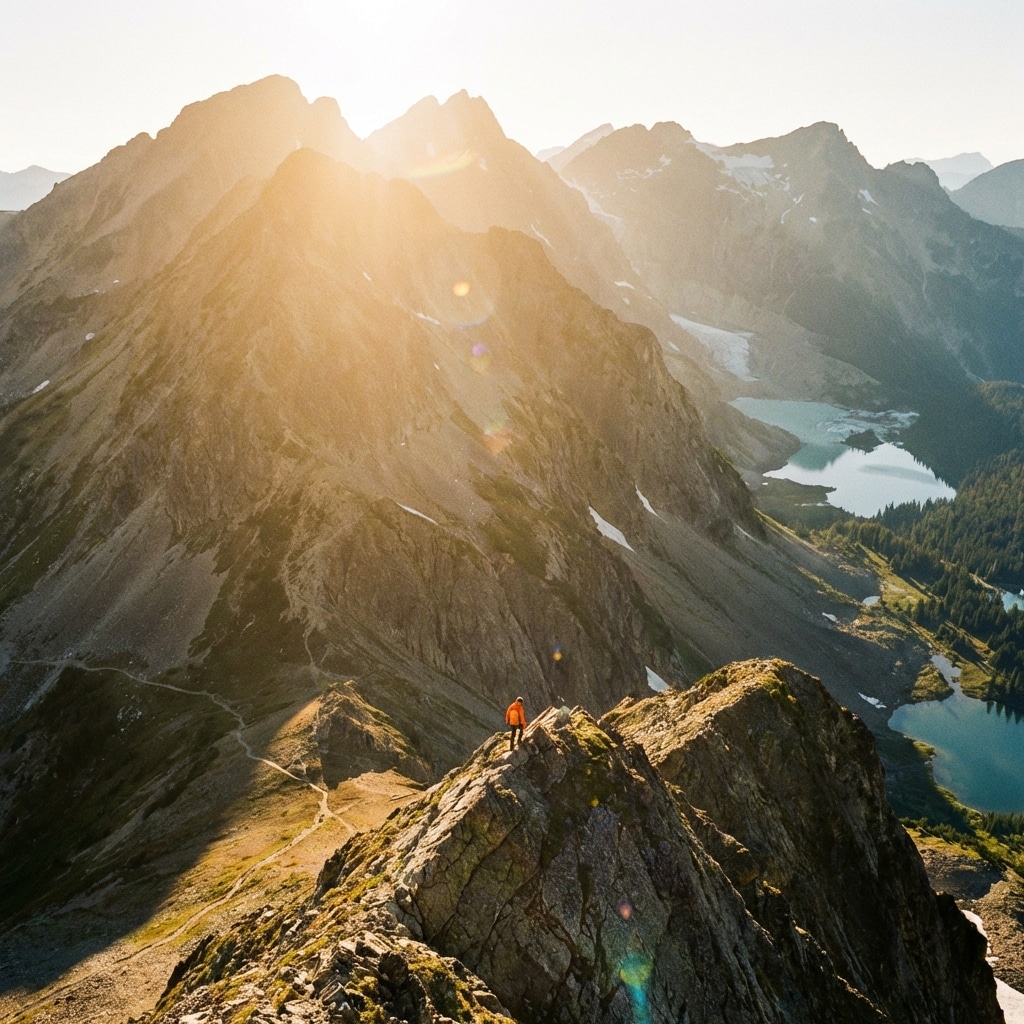
Ever gazed up at a colossal mountain peak and felt an irresistible pull to conquer its summit? The raw power, the breathtaking views, and the profound sense of accomplishment waiting at the top of a towering rock face are sensations that ignite the spirit of adventure. If so, mountain rope climbing offers an experience unlike any other, merging physical prowess with mental fortitude.
It’s a journey that challenges you to your core, rewarding you with unparalleled excitement and a deep, authentic connection to the untamed wilderness. This comprehensive guide will equip you with the essential knowledge, techniques, and critical safety measures to embark on your mountain rope climbing odyssey with confidence and preparation.
What is Mountain Rope Climbing?
Mountain rope climbing, also known as traditional or alpine climbing, is more than just a sport; it’s an expedition into the heart of nature. This discipline involves the strategic ascent of rugged, natural rock faces and vast alpine terrains using specialized ropes and advanced climbing gear. Unlike the controlled environments of indoor gyms or even established sport climbing routes, mountain climbing plunges you into wild, unpredictable landscapes.
It demands not only precise technical skill but also an intrinsic respect for the mountains, requiring adaptability to extreme weather conditions, expert navigation through complex routes, and often, acclimatization to high altitudes. Each climb is a unique dialogue between you and the mountain, testing your limits and expanding your horizons.
The Essential Gear for Your Ascent
Your safety and success on the mountain are intrinsically linked to the quality and reliability of your gear. Investing in high-quality, specialized climbing equipment is non-negotiable for mountain rope climbing. Here’s a rundown of the crucial items you’ll need:
Climbing Rope: The lifeline of your climb. Opt for a dynamic rope, designed to stretch and absorb the shock of a fall, significantly reducing impact forces.
Harness: Your secure connection to the rope. A well-fitting harness is essential for both safety and comfort during long climbs and belaying.
Helmet: Vital for head protection. It shields you from falling rocks, ice, or unexpected impacts against the rock face.
Carabiners: Versatile metal links used for securing ropes, creating anchor points, and connecting various pieces of gear. You’ll need several different types.
Belay Device: A critical piece of equipment that provides friction on the rope, allowing the belayer to control the speed of the rope and safely arrest a fall.
Climbing Shoes: Engineered for superior grip and precision. Their sticky rubber soles and snug fit allow you to find purchase on even the smallest footholds.
Chalk and Chalk Bag: Keeps your hands dry, improving grip on the rock, especially in humid conditions or during strenuous sections.
Protection Gear (Cams, Nuts, Hexes): For traditional climbing, these are placed into cracks and features in the rock to create secure anchor points and protection along the route.
Slings and Quickdraws: Used to extend anchor points and reduce rope drag, making for a smoother and safer climb.
First Aid Kit: A compact, well-stocked kit is essential for treating minor injuries and stabilizing more serious ones until professional help arrives.
Your First Steps: How to Begin Your Mountain Climbing Journey
Mountain rope climbing is an exhilarating pursuit, but it’s not one to be undertaken lightly or without proper preparation. For aspiring climbers, laying a solid foundation is paramount.
Finding a Mentor or Certified Guide
This is arguably the most crucial first step. Mountain rope climbing is complex and carries inherent risks that cannot be learned from books alone. Finding an experienced, certified climbing guide or instructor is absolutely essential for beginners. They will teach you the fundamentals – from essential knots and belaying techniques to route planning, hazard assessment, and efficient movement on rock. Look for accredited organizations and guides with proven experience in the type of climbing you wish to pursue.
Building Your Foundation: Training and Fitness
Physical fitness is non-negotiable for mountain rope climbing. The demands on your body are immense, requiring a blend of strength, endurance, and flexibility. Focus on a training regimen that targets your core, arms, shoulders, and legs. Exercises like pull-ups, push-ups, planks, and squats are excellent for building foundational strength.
Cardiovascular training (running, hiking, cycling) is equally vital, especially when accounting for the physical demands of high-altitude climbs and long approaches. Additionally, flexibility and balance exercises will enhance your movement efficiency and reduce the risk of injury on the rock.
Mastering the Ropes: Core Climbing Techniques
Once you have the right gear and a solid fitness base, understanding fundamental climbing techniques becomes your next priority. These are the skills that will enable you to navigate the vertical world safely and efficiently.
Belaying: The Lifeline
Belaying is the art of managing the rope to protect a climber from falling. The belayer, typically positioned on solid ground or at a secure anchor point, uses a belay device to create friction, controlling the slack in the rope as the climber ascends. This technique demands unwavering focus, precision, and trust between climbing partners. Mastery of belaying is a cornerstone of climbing safety.
Anchor Building: Secure Foundations
Anchors are the bedrock of climbing safety, providing fixed points of attachment for ropes and belay systems. These are typically established using a combination of natural features (like trees or large boulders) or specialized gear such as bolts, cams, or nuts placed into cracks in the rock. Proper anchor building requires an understanding of force distribution, redundancy, and equalization – ensuring that all components share the load. A poorly constructed anchor can have catastrophic consequences.
Lead Climbing: Ascending with Skill
Lead climbing is an advanced technique where the climber ascends first, placing protection (like cams or nuts) into the rock along the route and clipping the climbing rope through them. In the event of a fall, the climber will fall twice the distance from their last piece of protection. This method requires significant skill, experience, and psychological fortitude, as the lead climber is exposed to greater risk and must be proficient in route finding and gear placement under pressure.
Prioritizing Safety: Essential Measures for Mountain Climbers
While the thrill of mountain rope climbing is undeniable, safety must always be your paramount concern. The mountain environment is beautiful but unforgiving, and preparedness is your best defense against its challenges.
Reading the Mountain: Weather Awareness
Mountain weather is a dynamic force that demands unwavering respect. Conditions can change rapidly and dramatically, turning a pleasant day into a perilous one in minutes. Always check the most up-to-date weather forecasts before and during your climb. Be prepared to turn back if storms approach, lightning is a risk, or sudden drops in temperature are predicted. Avoid climbing during periods of high avalanche risk or heavy rainfall, which can make rock slippery and unstable.
Clear Calls: Effective Communication
Effective communication between climbing partners is your lifeline on the wall. Develop and consistently use a set of standardized calls and signals (e.g., “Climbing!”, “Belay on!”, “Take!”, “Slack!”) to ensure that both the climber and the belayer are always aware of each other’s status and intentions. Miscommunication is a common cause of accidents, especially in windy conditions or over long distances.
Preparedness: First Aid & Emergency Skills
Being prepared for emergencies is non-negotiable. Carry a comprehensive, compact first aid kit that is tailored to potential climbing injuries. More importantly, know how to use it. Basic wilderness first aid training is highly recommended, covering common injuries like fractures, sprains, abrasions, and hypothermia. Understanding how to react to unexpected situations, signal for help, and perform a self-rescue or assisted rescue is crucial for mitigating risks and responding effectively when the unexpected occurs.
Embrace the Summit: The Rewarding Journey of Mountain Rope Climbing
Mountain rope climbing is far more than just a physical challenge; it’s a profound journey of self-discovery, resilience, and connection with nature. Every summit reached, every challenging pitch overcome, is a testament to perseverance and triumph. The skills you acquire, the trust you build with your partners, and the serene beauty you experience in the high altitudes transform you.
So, if you’re ready to answer the call of the wild, to test your limits, and to witness the world from a breathtaking new perspective, gear up, seek expert guidance, and always prioritize safety. Embrace the adventure that awaits you up those towering heights – your next great story is just a climb away!