Mountaineering is an incredible journey of skill, strength, and unwavering determination, pushing you to new heights both literally and figuratively. But beyond the thrill of the ascent, there’s a critical foundation for every successful and safe expedition: your equipment. Choosing the right gear isn’t just about comfort; it’s about survival and performance in some of the planet’s most challenging environments. Given the vast array of options, navigating the world of mountaineering equipment can feel as daunting as a technical climb itself.
Fear not, aspiring alpinist. This comprehensive guide will cut through the noise, detailing the essential pieces of mountaineering gear and providing a strategic framework for selecting the best equipment for your next adventure. We’ll ensure you’re well-prepared to tackle any mountain with confidence.
Why Your Mountaineering Gear Matters: Safety, Performance, and Comfort
At its core, mountaineering equipment is a specialized collection of tools designed to help climbers safely ascend and descend various elevated terrains. From high-altitude peaks to icy glaciers and challenging rock faces, each piece of gear plays a vital role in mitigating risks and enhancing your capabilities. It’s a system that works together to keep you secure, warm, and efficient.
Understanding the specific function of each item is paramount. This knowledge empowers you to make informed decisions, ensuring you have the right gear for the specific demands of your climb.
The Absolute Essentials: Your Core Mountaineering Kit
Regardless of the mountain you aim to conquer, certain pieces of mountaineering equipment are non-negotiable. These items form the bedrock of your safety system and are crucial for every expedition.
Head Protection: The Helmet
A mountaineering helmet is your first line of defense against falling rocks, ice, or accidental impacts during a climb. Designed to absorb and distribute force, a good helmet is lightweight, well-ventilated, and certified for climbing (UIAA or CE standards). Ensure it fits snugly without obstructing your vision, and is compatible with a headlamp and hood.
The Lifeline: Harness
Your climbing harness distributes your weight evenly, serving as the crucial link between you and the rope system. It must fit securely around your waist and thighs, allowing for full range of motion while remaining comfortable. Look for a mountaineering-specific harness that is adjustable, durable, and rated for the forces it might encounter.
Foundation for Traction: Mountaineering Boots
Mountaineering boots are arguably the most critical component of your footwear system. Unlike regular hiking boots, they offer superior insulation, rigidity for edging, and stiffness for crampon compatibility. They must be waterproof, highly durable, and provide exceptional ankle support to navigate treacherous terrain effectively. Try them on with your climbing socks to ensure a perfect, blister-free fit.
Expanding Your Arsenal: Specialized Mountaineering Equipment
Beyond the core essentials, specific conditions and technical challenges will dictate additional gear. These specialized items are designed to enhance your safety and performance on snow, ice, and technical rock.
Grip on Ice: Crampons
Crampons are metal frames with sharp spikes that attach to your mountaineering boots, providing unparalleled traction on ice and hard-packed snow. They are indispensable for glacier travel and icy ascents/descents. Choose between strap, semi-automatic, or automatic bindings based on your boot compatibility and the technicality of your climb.
The Multi-Tool: Ice Axe
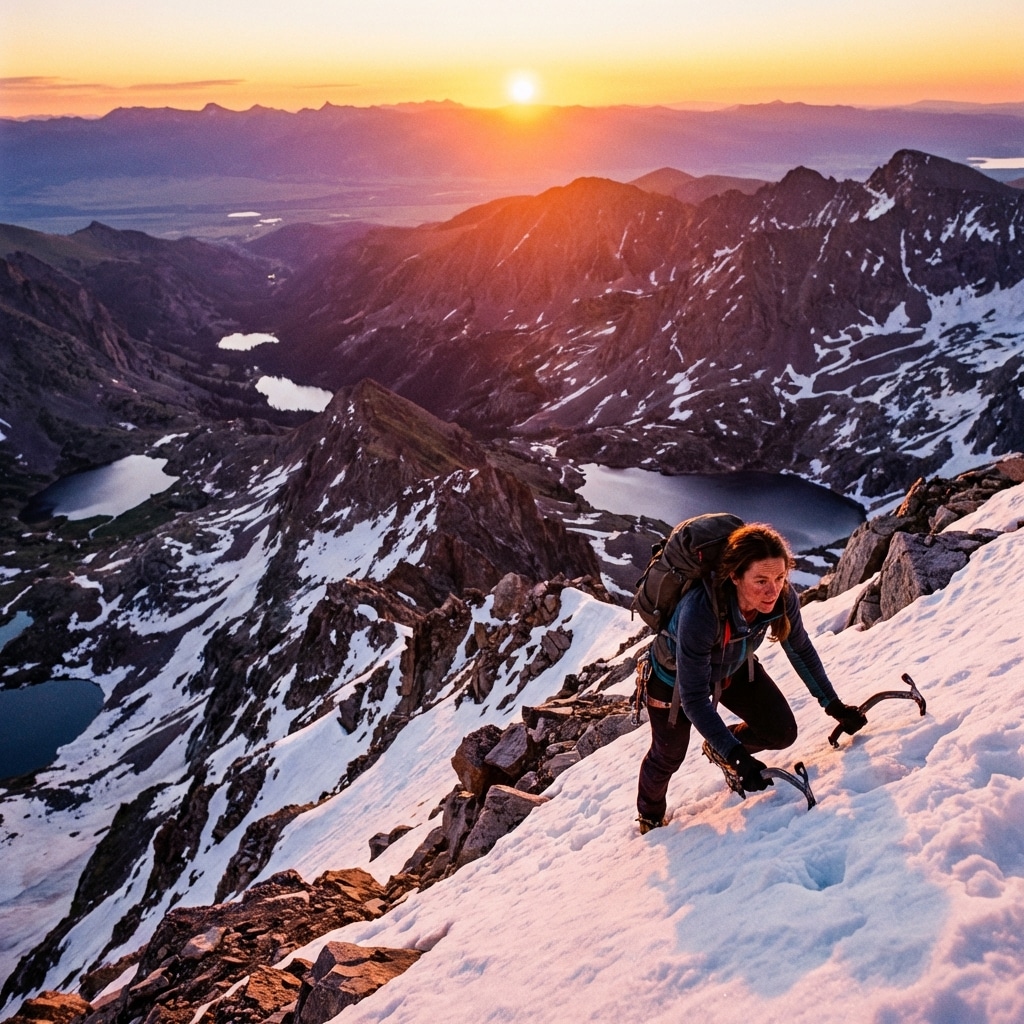
More than just a tool for chopping steps, an ice axe is crucial for balance on steep slopes, self-arresting a fall, and as an anchor point. General mountaineering axes are typically longer, while technical ice tools are shorter and more curved for vertical ice climbing. Select an axe appropriate for the terrain you expect to encounter.
Connection Points: Ropes and Carabiners
Ropes are the lifeline of a climbing team, used for protection, rappelling, and crevasse rescue. They are rated by type (dynamic or static) and diameter, depending on their intended use. Carabiners are metal rings with a spring-loaded gate, essential for attaching ropes, creating anchors, and connecting various pieces of gear within a climbing system. Always ensure they are rated for climbing and properly locked.
Protection from Elements: Layered Clothing System
While not “equipment” in the traditional sense, a proper layering system is critical for mountaineering. This includes moisture-wicking base layers, insulating mid-layers (fleece or down), and waterproof/breathable outer shells. This versatile system allows you to adapt to rapidly changing mountain weather, crucial for staying warm and dry.
Navigation & Safety Tools
Never venture into the mountains without a map, compass, and GPS device (and the knowledge to use them). A well-stocked first-aid kit, headlamp with extra batteries, and a communication device (satellite phone or personal locator beacon) are also indispensable safety items that could save lives in an emergency.
How to Choose the Best Mountaineering Equipment: A Strategic Approach
Selecting your mountaineering gear requires careful consideration and a strategic mindset. Here’s how to make the best choices for your next big climb.
1. Assess Your Objective: Terrain, Altitude, and Weather
The first and most critical step is to clearly define the type of mountaineering you’ll be doing. Are you tackling high-altitude peaks, glacier travel, mixed rock and ice routes, or steep snow climbs? Each scenario demands a specific gear configuration. For example, icy and rocky terrain necessitates crampons and ice axes, while extreme cold calls for heavier insulation and more robust boots. Research your destination’s typical conditions thoroughly.
2. Prioritize Fit and Comfort
Ill-fitting gear is not just uncomfortable; it can be dangerous. Your helmet, harness, and especially your boots must fit perfectly. Boots that are too loose can cause blisters, while a tight harness can restrict circulation. Always try on gear with the layers you expect to wear, and don’t hesitate to spend time finding the ideal fit.
3. Quality Over Quantity: Durability and Reliability
In the mountains, your life often depends on your equipment. Invest in gear made from high-quality, durable materials that can withstand harsh conditions and repeated use. While budget is a factor, compromising on essential safety equipment is never advisable. Look for reputable brands known for their performance and longevity.
4. Understand Certification and Standards
Ensure all your critical safety equipment (helmets, harnesses, ropes, carabiners) meets recognized international safety standards such as UIAA (Union Internationale des Associations d’Alpinisme) and CE (Conformité Européenne). These certifications guarantee that the gear has undergone rigorous testing and meets minimum safety requirements.
5. Weight Considerations
Every ounce counts in mountaineering. While durability is key, strive for the lightest possible options that still meet your performance and safety needs. Heavy packs lead to fatigue, which increases accident risk. Balance robust construction with efficient design.
6. Regular Inspection and Maintenance
Your gear is only as good as its condition. Before and after every trip, meticulously inspect all your equipment for wear and tear, damage, or degradation. Store it properly, clean it according to manufacturer instructions, and replace items past their lifespan or if they show signs of critical damage.
Your Mountaineering Equipment Checklist (Essential & Specialized)
Head: Helmet, headlamp with spare batteries
Body: Layered clothing system (base, mid, shell), gloves/mittens, warm hat
Embarking on a mountaineering expedition is a profound experience, and being adequately equipped is fundamental to both its success and your safety. By understanding the purpose of each piece of mountaineering equipment, prioritizing fit and quality, and carefully considering the demands of your chosen objective, you can build a reliable kit that supports you every step of the way.
Remember, your gear is an investment in your safety and enjoyment. Choose wisely, maintain diligently, and continuously educate yourself on best practices. With the right mountaineering equipment, you’re not just ready for the climb – you’re prepared to thrive in the high alpine environment. Safe climbing!