Dreaming of scaling towering peaks, breathing crisp mountain air, and experiencing the profound sense of accomplishment that only a summit can offer? Mountaineering isn’t just a sport; it’s an exhilarating journey that tests your limits and rewards you with unparalleled views and a deep connection to nature. Whether you’re a seasoned hiker looking for your next challenge or a complete novice drawn to the call of the wild, understanding the fundamentals is your first step towards conquering majestic heights.

This comprehensive guide will equip you with essential knowledge, from defining what mountaineering truly entails to breaking down the crucial gear and sharing expert tips for a safe and successful ascent. Prepare to transform your adventurous spirit into practical skills as we navigate the exciting world of mountain climbing.

What Exactly is Mountaineering?
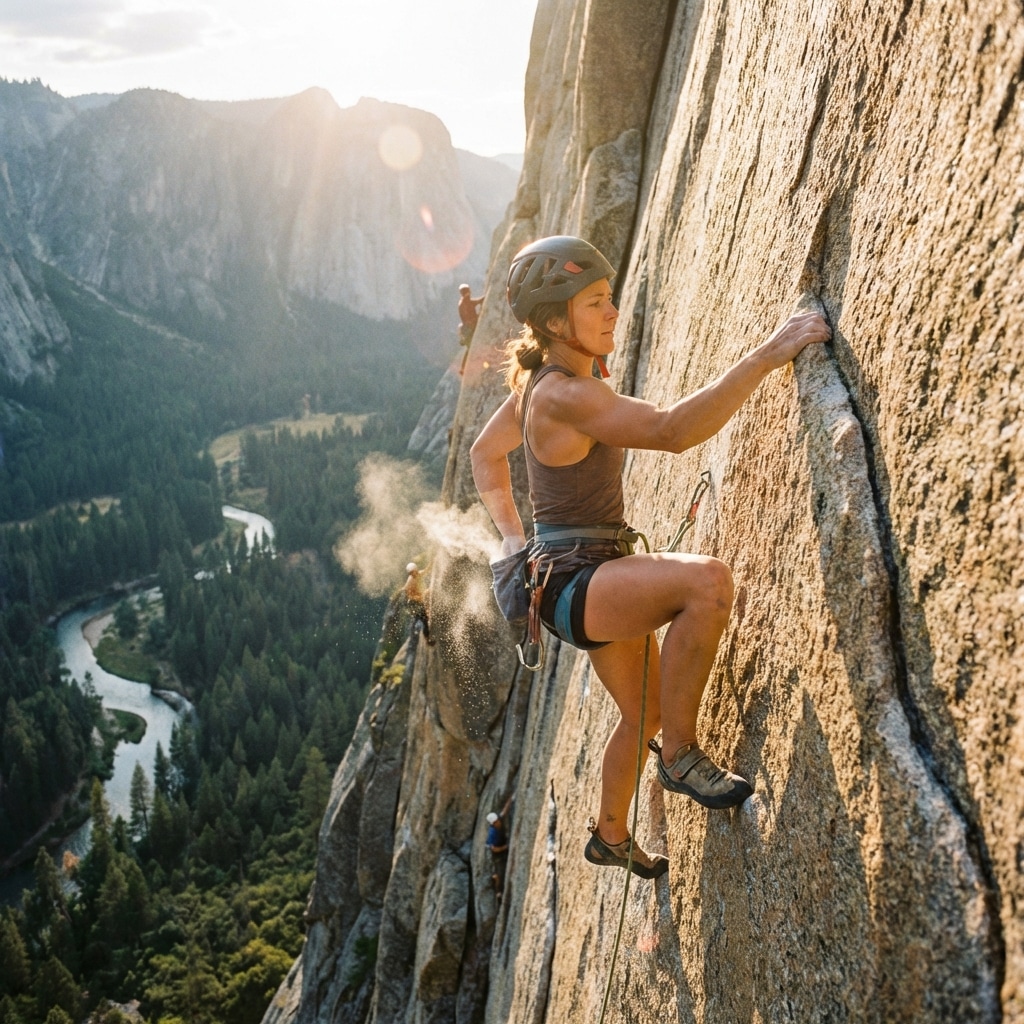
Mountaineering is a diverse outdoor activity that encompasses much more than just walking uphill. It’s a multifaceted discipline combining hiking, scrambling, rock climbing, ice climbing, and glacier travel, all with the primary goal of reaching a mountain summit or traversing challenging alpine terrain.
This adventurous pursuit demands a unique blend of physical endurance, technical skills, mental resilience, and a deep respect for the mountain environment. It’s about navigating dynamic landscapes, adapting to unpredictable weather, and making critical decisions in high-stakes situations.
Essential Mountaineering Gear for a Safe Ascent
Safety and success in mountaineering hinge significantly on having the right equipment. Every piece of gear serves a vital purpose, protecting you from the elements, aiding your movement, and ensuring your well-being in challenging conditions. Invest in quality gear and learn how to use it proficiently.
1. The Right Footwear
Your boots are your foundation on the mountain. Mountaineering boots offer superior ankle support, stiffness for crampon compatibility, and excellent grip on varied terrain. Choose a pair that fits snugly without pinching, allowing for proper circulation and preventing blisters.
- Mountaineering Boots: Stiff, waterproof, insulated, and compatible with crampons.
- Technical Socks: Moisture-wicking wool or synthetic blends to prevent blisters and manage temperature.
2. Layered Clothing System
Mountain weather is notoriously fickle. A versatile layering system allows you to adapt to changing temperatures and activity levels, preventing both overheating and hypothermia. Avoid cotton, which loses its insulating properties when wet.
- Base Layer: Wicks sweat away from your skin (e.g., merino wool, synthetic).
- Mid Layer: Provides insulation and warmth (e.g., fleece jacket, down/synthetic puffy).
- Outer Shell: Waterproof and windproof protection from the elements (e.g., Gore-Tex jacket and pants).
- Accessories: Warm hat, gloves/mittens, neck gaiter, and sunglasses for eye protection.
3. Backpack
Your backpack is your mobile base camp, carrying all your essentials. Select a pack that’s appropriately sized for your trip duration (e.g., 40-70 liters for multi-day trips) and fits your body comfortably, allowing for proper weight distribution.
- Mountaineering Pack: Durable, comfortable, with external attachment points for ice axes and ropes.
4. Technical Climbing & Safety Tools
For technical sections involving rock, ice, or snow, specialized tools are indispensable. Proper training on how to use each item safely and effectively is non-negotiable before venturing into complex terrain.
- Helmet: Protects against falling rock and ice, as well as impacts during a fall.
- Harness: For rope work, rappelling, and glacier travel.
- Ropes & Cordage: Dynamic climbing ropes, static cords for various applications.
- Carabiners & Belay/Rappel Device: Essential for connecting gear and managing ropes.
- Ice Axe: For self-arrest, balance on snow, and anchoring.
- Crampons: Metal spikes that attach to boots for traction on ice and hard snow.
- Navigation: Map, compass, GPS device, or smartphone app (with offline maps).
- First-Aid Kit: Comprehensive kit for injuries and medical emergencies.
- Headlamp: With spare batteries, crucial for early starts or unexpected delays.
- Sun Protection: High-SPF sunscreen and lip balm.
Strategic Tips for a Successful & Safe Mountaineering Expedition
Mountaineering is as much about strategic planning and mental preparation as it is about physical prowess. Incorporating these expert tips will significantly enhance your safety, enjoyment, and chances of reaching your goals.
1. Preparation is Paramount
Never underestimate the importance of thorough preparation. This involves both physical training and meticulous route planning. Researching your objective is crucial for anticipating challenges and packing appropriately.
- Physical Training: Develop strong cardio, leg strength, and core stability. Incorporate hiking with a loaded pack and targeted strength exercises.
- Mental Fortitude: Practice problem-solving under pressure and cultivate a positive, resilient mindset.
- Route Planning: Study maps, guidebooks, and recent trip reports. Understand the terrain, potential hazards, and bailout options.
- Weather Monitoring: Check multiple forecasts leading up to your climb and have a contingency plan for adverse conditions.
2. Master Your Nutrition & Hydration
Your body is your engine on the mountain, and proper fueling is essential. Dehydration and inadequate caloric intake can severely impair your judgment and physical performance at altitude.
- Hydration: Carry ample water or have a reliable purification system. Drink frequently, even if you don’t feel thirsty.
- High-Energy Snacks: Pack calorie-dense foods like nuts, dried fruit, energy bars, and sandwiches. Eat small amounts regularly to maintain energy levels.
3. Start Early, Turn Around Smart
Beginning your climb at dawn (or even earlier) offers several advantages. You’ll often experience more stable weather, firmer snow, and less exposure to afternoon storms. However, knowing when to turn back is even more critical than starting early.
- Early Start: Maximizes daylight hours for your ascent and descent.
- Turnaround Time: Set a strict turnaround time regardless of how close you are to the summit. This prevents being caught out in the dark or by deteriorating weather.
4. Embrace Strategic Breaks
Mountaineering is a marathon, not a sprint. Regular, short breaks are crucial for physical recovery, mental recalibration, and enjoying your surroundings. Use these moments to check your gear, hydrate, and fuel up.
- Short & Frequent: Take 5-10 minute breaks every hour or so.
- Longer Stops: Plan longer breaks for meals or if dealing with fatigue.
- Enjoy the View: Don’t forget to pause and appreciate the incredible mountain scenery.
5. Learn from Experts & Practice
Mountaineering involves specialized skills that are best learned from experienced professionals. Formal training can significantly reduce risk and accelerate your learning curve.
- Formal Courses: Enroll in mountaineering courses that cover glacier travel, crevasse rescue, rock climbing techniques, and navigation.
- Mentorship: Seek out experienced climbers who can share knowledge and provide guidance in a safe environment.
- Practice Skills: Regularly practice knot tying, self-arrest, and gear placement in a controlled setting.
Embark on Your Mountaineering Adventure
Mountaineering is a profoundly rewarding pursuit that blends physical challenge with the raw beauty of the natural world. It demands respect, preparation, and a commitment to continuous learning, but the sense of achievement at the summit is truly incomparable.
With the right knowledge, essential gear, and a dedication to safety, you can confidently embark on your own mountain adventures. Start small, gain experience, and always prioritize learning. The mountains are calling – are you ready to answer?