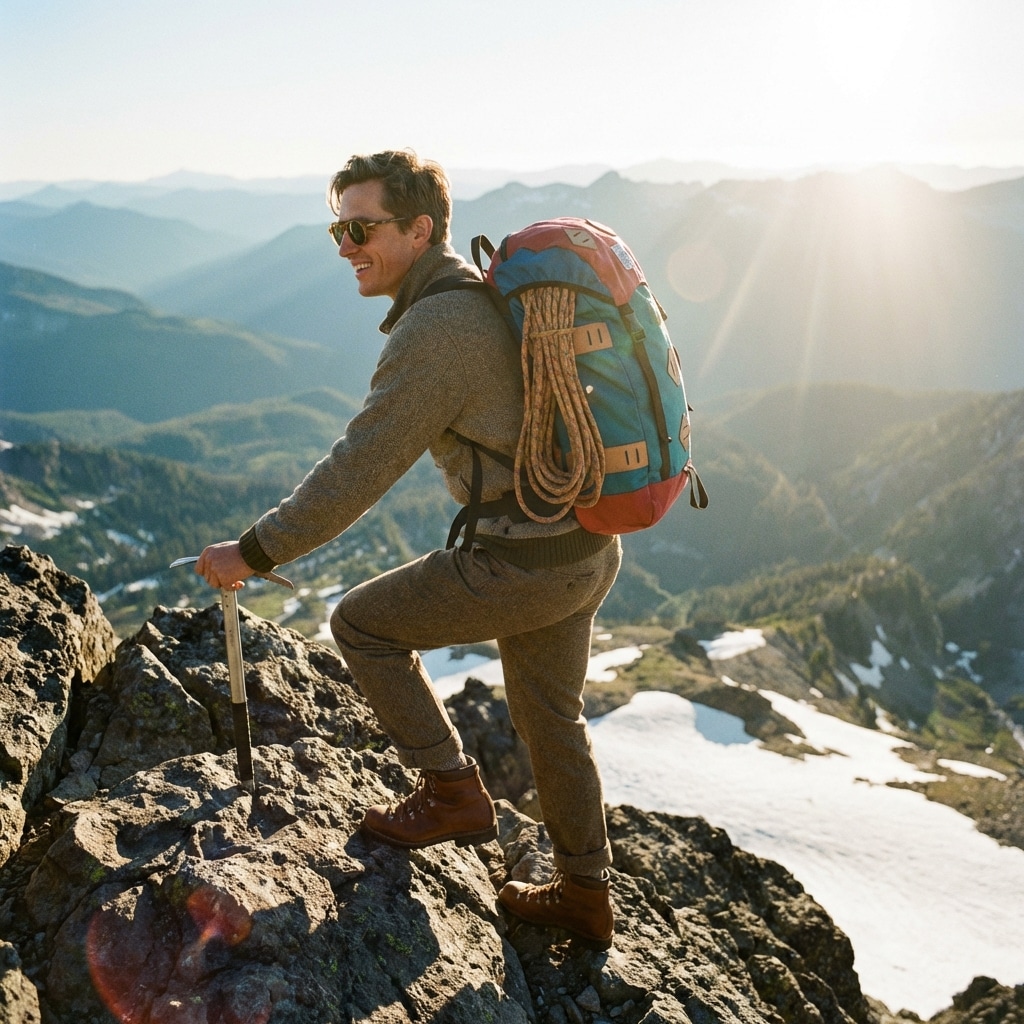
When preparing for a mountaineering expedition, your gear list is meticulously curated for safety and survival. But amidst the ropes, axes, and layers, one crucial item often gets underestimated: your sunglasses. At extreme altitudes, your eyes face an onslaught of environmental challenges that demand specialized protection.
These aren’t just any shades; mountaineering sunglasses are engineered to be an indispensable piece of your kit. They’re not a luxury; they are a fundamental layer of defense for your most vital sense. But what makes them so absolutely critical for high-altitude adventures?
Why Mountaineering Sunglasses Are Not Just an Accessory, But an Absolute Necessity
Imagine a world where the sun’s intensity feels amplified, and every surface reflects blinding light. That’s the reality at high altitudes. Your eyes are constantly battling elements that can lead to severe discomfort or even permanent damage without proper protection.
The Blinding Assault of Glare and Reflection
As you ascend, the atmosphere thins, offering less filtration against the sun’s direct rays. Couple this with vast expanses of snow and ice, which can reflect up to 80% of UV light, and you’re exposed to a painfully intense glare. This amplified reflection can lead to significant eye strain, disorientation, and even dangerous missteps on challenging terrain.
The Invisible Threat: Harmful UV Radiation
For every 1,000 meters (approx. 3,280 feet) of elevation gained, UV radiation exposure increases by about 10-12%. At extreme altitudes, your eyes are bombarded with significantly higher levels of UVA and UVB rays. Prolonged exposure to these harmful components of sunlight can lead to several serious eye conditions.
Photokeratitis (Snow Blindness): This is essentially a sunburn on your cornea. Symptoms include severe pain, redness, tearing, and a gritty sensation, often appearing hours after exposure. It’s temporary but excruciating.
Pterygium and Pinguecula: These growths on the eye’s surface are linked to chronic UV exposure and can lead to irritation or obstruct vision.
Cataracts: Long-term, cumulative UV damage significantly increases the risk of developing cataracts, a clouding of the eye’s lens that impairs vision and often requires surgery.
Macular Degeneration: Some studies suggest a link between high UV exposure and an increased risk of age-related macular degeneration, which affects central vision.
Protection from Extreme Elements
Beyond sun and glare, high-altitude environments often feature harsh winds, blowing snow, dust, and even ice particles. Mountaineering sunglasses provide a crucial physical barrier, protecting your eyes from these abrasive elements and preventing irritation or injury that could jeopardize your climb.
Navigating the Options: Essential Features for Your Alpine Eyewear
Understanding the “why” is just the beginning. Choosing the right pair of mountaineering sunglasses involves scrutinizing specific features designed to withstand the rigors of the alpine environment. Here’s what to prioritize when making your selection.
Unrivaled UV Protection: Your First Line of Defense
This is non-negotiable. Look for sunglasses that explicitly state “100% UV400 protection” or “100% protection against UVA and UVB rays.” This ensures maximum shielding from the sun’s most damaging wavelengths, safeguarding your long-term eye health.
Lens Technology: Clarity, Durability, and Performance
Lens Material:
Polycarbonate: Lightweight, highly impact-resistant, and offers inherent UV protection, making it a popular and safe choice for mountaineers.
Trivex: Offers superior optical clarity compared to polycarbonate while retaining excellent impact resistance.
Glass: Provides the best optical clarity and scratch resistance, but is heavier and more prone to shattering, making it less ideal for high-impact activities.
Visible Light Transmission (VLT): This indicates how much light passes through the lens. For mountaineering, especially on glaciers or snowfields, a low VLT (Category 3 or 4) is crucial. Category 4 lenses transmit only 3-8% of light and are often required for extreme alpine conditions.
Polarized Lenses: Excellent for reducing glare from reflective surfaces like snow and ice, improving visibility and reducing eye strain. However, be aware they can sometimes make it difficult to see icy patches on snow or read LCD screens.
Lens Coatings:
Anti-Fog Coating: Essential for maintaining clear vision in changing temperatures and during strenuous activity.
Scratch-Resistant Coating: Extends the lifespan of your lenses against inevitable bumps and scrapes.
Oleophobic Coating: Repels oils, water, and sweat, making lenses easier to clean.
Frame Design: Beyond Aesthetics, It’s About Coverage and Fit
Maximum Coverage: Choose wrap-around styles or frames with removable side shields to block peripheral light, wind, dust, and debris. This full coverage prevents light leakage and protects your eyes from all angles.
Secure and Comfortable Fit: Your sunglasses must stay put during dynamic movements. Look for adjustable nose pads, temple tips, and a lightweight design. They should also be compatible with your climbing helmet without causing pressure points.
Ventilation: Proper airflow is key to preventing fogging. Frames with ventilation holes or channels help to manage temperature differences.
Durability: Frames made from resilient materials like Grilamid TR90 or nylon are crucial for enduring rough treatment and extreme temperatures without breaking.
Can High-Performance Mountaineering Sunglasses Also Be Stylish?
Absolutely! The notion that functional gear must sacrifice aesthetics is a thing of the past. While functionality and protection should always be your top priority, modern mountaineering sunglasses are increasingly blending advanced optical technology with sleek, contemporary designs.
Many leading outdoor eyewear brands now offer a diverse range of frame shapes, colors, and lens tints. You can find options that not only meet the highest standards of alpine performance but also align with your personal style, allowing you to look sharp while staying safe on the mountain.
Your Vision, Your Victory: The Final Ascent
Mountaineering is an endeavor that demands respect for the environment and meticulous preparation. Among all the critical gear, a high-quality pair of mountaineering sunglasses stands as a vital investment in your safety, comfort, and ultimately, your success. They are far more than just a fashion accessory; they are a shield against the harsh realities of high-altitude environments.
By understanding the specific dangers of glare and UV radiation, and by knowing precisely what features to look for in alpine eyewear, you can select the perfect pair that will protect your vision, enhance your experience, and help you conquer any summit with confidence. Prioritize your eye health—it’s paramount for every mountain adventure.