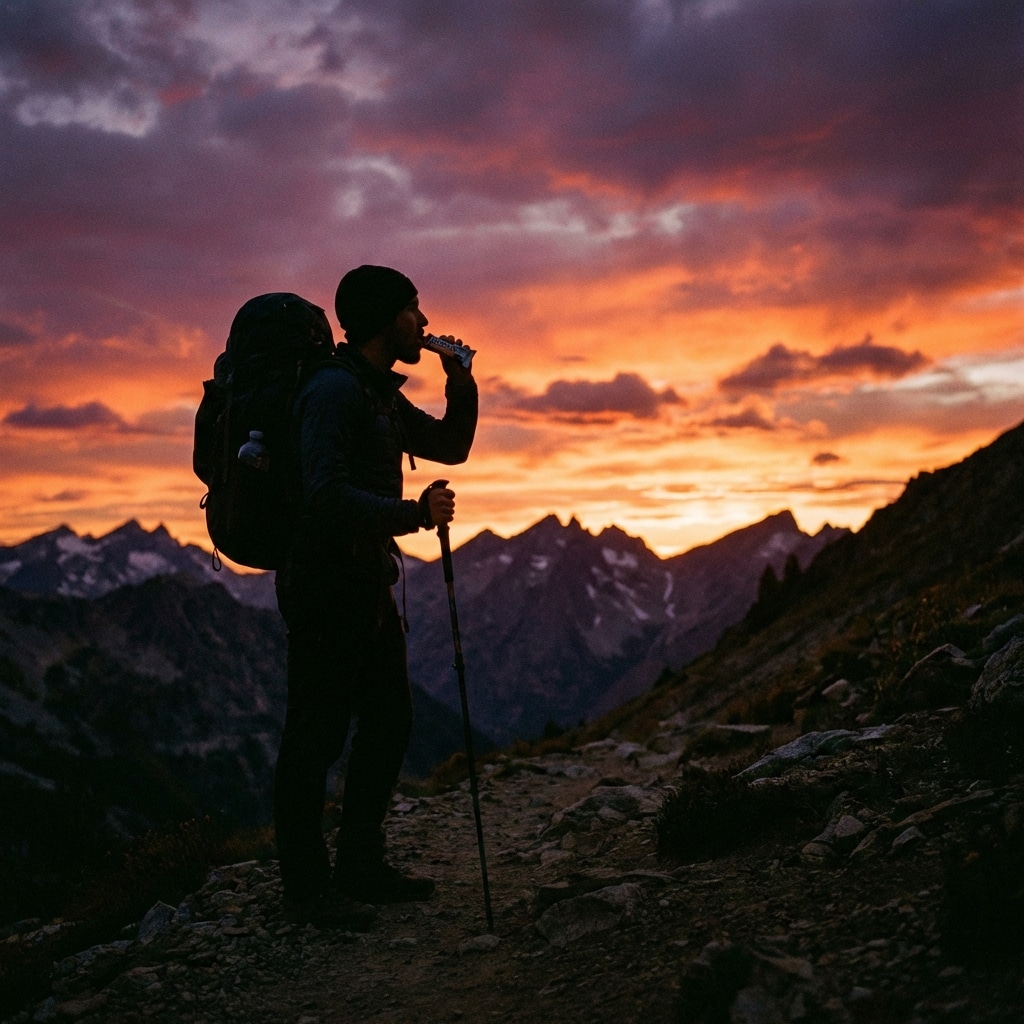
In the unforgiving realm of mountaineering, your tent isn’t just a place to catch some sleep—it’s your ultimate sanctuary, your shield against the raw fury of the elements. Far from a mere camping accessory, an **alpine tent** is a meticulously engineered structure designed to be your lifeline when temperatures plummet, winds rage, and snow blankets the landscape. It’s where you find warmth, recharge, and strategize for the challenges ahead.
Choosing the right **mountaineering tent** is a decision that can literally make or break your expedition. It demands careful consideration of design, materials, and how well it stands up to the most extreme conditions nature can throw at you. This isn’t just about comfort; it’s about survival.
Why Your Mountaineering Tent is Your Lifeline (Beyond Just Sleep)
Mountaineering pushes the boundaries of human endurance. Your shelter’s quality isn’t just a convenience; it’s a critical component of your safety system. Here’s why a high-performance **mountaineering tent** needs to be at the top of your essential gear list.
Unwavering Protection Against Nature’s Fury
Mountain weather is notoriously unpredictable, capable of shifting from serene to severe in mere moments. An **expedition tent** is specifically engineered to withstand these harsh realities. Its robust construction and aerodynamic design provide critical protection against:
Extreme Winds: Reinforced poles and a low-profile, often dome or tunnel shape, minimize wind resistance and prevent collapse.
Heavy Snow Loads: Steeply sloped walls and durable fabrics ensure snow sheds off rather than accumulating and crushing the structure.
Torrential Rain: Fully waterproof flysheets, sealed seams, and robust floor materials keep you dry, even during prolonged downpours.
UV Radiation: At high altitudes, UV rays are intense. Quality tent fabrics offer protection from sun damage to both you and the tent itself.
Essential Sanctuary for Recovery and Warmth
After a grueling day of ascent or traversing challenging terrain, your body desperately needs to recover. A well-designed **mountain shelter** provides a vital haven:
Warmth and Insulation: High-quality fabrics and strategic ventilation help retain body heat, making it possible to rest comfortably even in freezing temperatures.
Mental Respite: Beyond physical comfort, a secure tent offers a crucial psychological break from the elements, allowing you to regroup and maintain focus.
Recharge and Prepare: It provides a dry, stable environment for essential tasks like melting snow for water, preparing meals, and organizing gear, all critical for the next day’s efforts.
What Separates a Great Mountaineering Tent from the Rest? (Key Features)
When selecting your **mountaineering tent**, certain features are non-negotiable. These elements collectively determine its performance, durability, and ultimately, your safety on the mountain.
Built for the Burden: Lightweight & Compact Design
Every ounce counts when you’re carrying your life on your back. A premium **lightweight tent** balances robust protection with minimal bulk and weight. It must be easy to pack, compress, and carry for extended periods without becoming an undue burden. Innovative materials and intelligent pole designs contribute significantly to this balance.
Swift Shelter: Easy and Reliable Setup
In an emergency or deteriorating weather, you need to pitch your tent quickly and efficiently. A top-tier **alpine tent** is designed for intuitive setup, often with color-coded poles and clips, even when you’re fatigued, gloved, or facing strong winds on uneven terrain. Speed and simplicity are paramount.
Battle-Tested Durability: Materials & Construction
The longevity and resilience of your tent depend heavily on its components. Look for:
Robust Fabrics: High-denier nylon or polyester, often ripstop, with advanced waterproof coatings (e.g., silicone, PU) for the fly and floor.
Strong Poles: Lightweight yet incredibly strong aluminum alloys (e.g., DAC Featherlite) are essential for resisting bending and breaking under wind and snow loads.
Reinforced Stitching & Zippers: Stress points should be reinforced, and heavy-duty zippers (like YKK) are crucial for reliable performance in cold and wet conditions.
Storm Guylines: Multiple attachment points and reflective guylines are vital for anchoring the tent securely in gale-force winds.
Strategic Ventilation: Managing Condensation
Condensation can be a major issue in cold environments, leading to damp gear and uncomfortable conditions. A good **mountaineering tent** incorporates smart ventilation systems (vents, mesh panels) to promote airflow and minimize internal moisture build-up without compromising warmth or protection from **harsh weather**.
Choosing Your Mountain Home: Types of Mountaineering Tents
Not all **mountaineering tents** are created equal. They are specialized for different environments and expedition styles. Understanding the distinctions is key to selecting the right shelter.
The Minimalist’s Choice: Single-Wall Tents
**Single-wall tents** consist of a single layer of waterproof, breathable fabric. They are prized for their ultra-lightweight and compact packed size, making them ideal for fast-and-light ascents, high-altitude climbs, and situations where every gram matters. While excellent for saving weight, condensation management can be more challenging than with double-wall designs.
The Versatile Performer: Double-Wall Tents
Comprising an inner mesh canopy and a separate waterproof rainfly, **double-wall tents** excel in ventilation and condensation control. The air gap between the layers helps to mitigate moisture buildup and offers better insulation. They are generally heavier and bulkier than single-wall options but provide superior comfort and versatility for longer expeditions or less extreme cold.
The All-Season Warrior: Four-Season Tents
While many **mountaineering tents** fall into the “four-season” category, this term specifically refers to tents designed for year-round use, particularly in cold, snowy, and windy conditions. These are typically the most robust and heavily constructed options, built to endure blizzards, high winds, and heavy snow loads. While offering ultimate protection, they may be overkill and heavier for milder **alpine tent** camping in summer.
Making the Right Choice: Factors to Consider
Your ideal **mountaineering tent** is a personal decision based on several critical factors:
Expedition Type & Season: Are you tackling a high-altitude winter ascent or a multi-day trek in the shoulder seasons? This will dictate the level of protection needed.
Group Size: Tents come in 1-person, 2-person, and even larger expedition sizes. Consider how many people (and how much gear) need to fit comfortably.
Weight vs. Space vs. Durability: This is often a trade-off. Ultra-light tents might compromise a bit on space or extreme durability compared to heavier, more robust models.
Budget & Brand Reputation: Investing in a reputable brand with a proven track record in **extreme weather** gear is crucial for reliability and warranty support.
In conclusion, your **mountaineering tent** is far more than just shelter; it’s a critical piece of your survival kit, your home in the wild, and a key factor in the success and safety of your expedition. By carefully considering its purpose, key features, and your specific needs, you can choose a **mountain shelter** that will reliably protect you against the elements and allow you to conquer new heights.