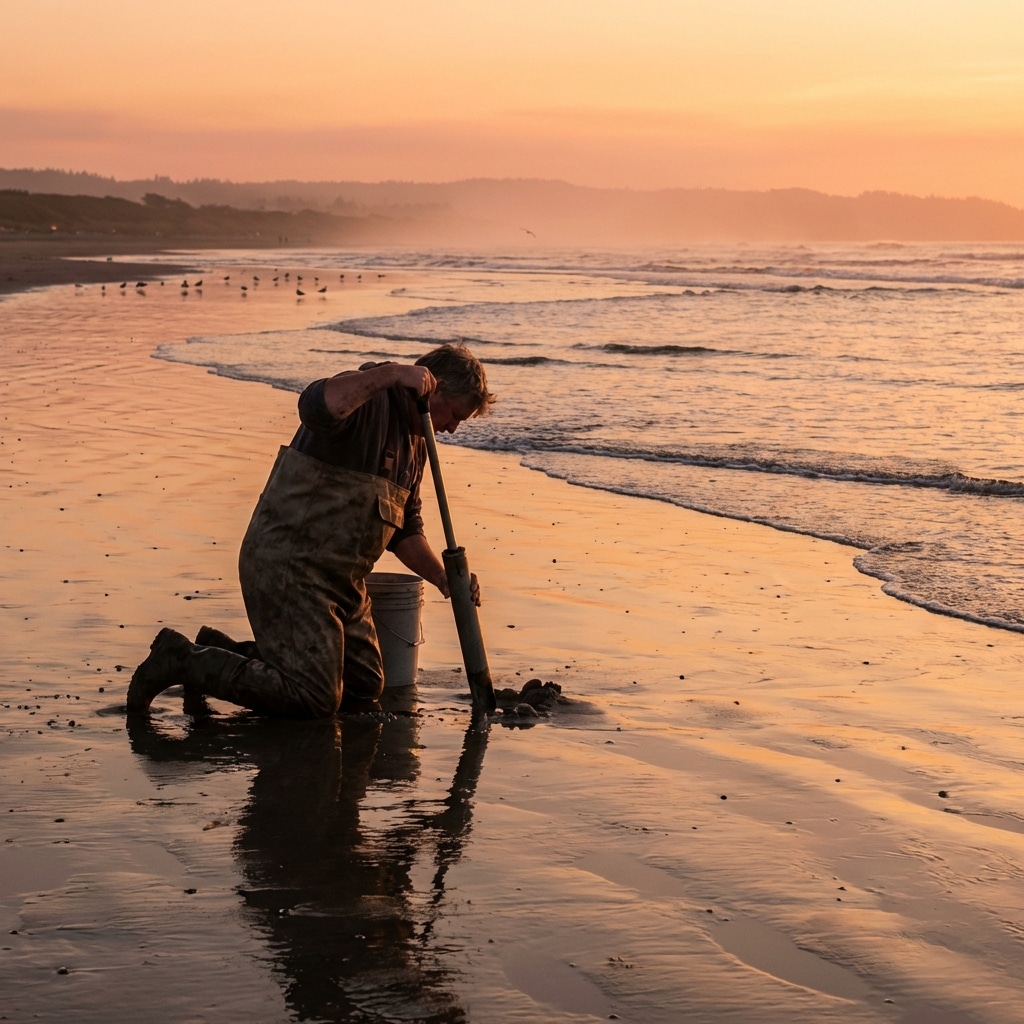
The Pacific Northwest coast holds a secret treasure, often overlooked but deeply cherished by those who know its value: the humble clam. Hidden beneath the shifting sands and mudflats, these shellfish offer a unique outdoor adventure. Oregon clam digging is more than just a hunt for dinner; it’s an immersive experience for outdoor enthusiasts, food lovers, and families seeking unforgettable coastal memories.
Imagine spending a day along Oregon’s breathtaking coastline, fresh air filling your lungs, and the thrill of discovery with every shovel-full. This comprehensive guide will explore everything you need to know about clamming in Oregon, from essential how-to tips and necessary tools to the best locations and crucial regulations for your successful quest.
What is Clamming, and Why Oregon?
Clamming, often called clam digging, is the practice of foraging for clams in their natural intertidal habitats. It’s a cherished activity along coastal regions, and Oregon, with its diverse and accessible coastline, boasts a stellar reputation as a premier clamming destination.
Oregon’s extensive shoreline provides a rich environment for various clam species, making it a hotspot for diggers year-round. Beyond the promise of a delicious fresh meal, the stunning natural beauty and the simple joy of connecting with nature amplify the allure of this rewarding outdoor pursuit. It’s an authentic Pacific Northwest experience waiting to be discovered.
Mastering the Art of Oregon Clam Digging
While digging a hole in the sand might seem straightforward, successful clamming requires a bit of finesse and knowledge. Understanding when, where, and how to dig efficiently and responsibly is key to a productive outing and preserving these valuable natural resources.
Timing is Everything: When to Go Clamming
The golden rule for clam digging is to go during low tide, specifically the lowest tides of the month. The lower the tide, the more beach and mudflat area is exposed, dramatically expanding your hunting grounds. Always consult local tide tables for your chosen location well in advance of your trip.
Aim to arrive an hour or two before the lowest tide to maximize your digging time. This strategy ensures you have ample opportunity to explore the exposed areas before the tide begins to roll back in.
Spotting the Clams: Reading the “Shows”
Clams don’t exactly wave flags, but they do leave tell-tale signs, known as “shows,” on the surface. Look for small depressions, dimples, or tiny holes in the sand or mud. Sometimes, you might even see a small spurt of water as a clam retracts its neck or “siphon.”
These shows are often most visible when the ground is slightly firm but still damp, indicating the clam is actively filtering water. Learning to identify these subtle clues is a crucial skill for any successful clammer.
Essential Tools for Your Clamming Adventure
You don’t need heavy machinery for clamming, but the right gear makes a big difference. Here’s what to pack for your Oregon clam digging trip:
Shovel or Clam Gun: A narrow-bladed shovel or a specialized clam gun (a cylindrical device used to suction clams from the sand) are primary tools.
Bucket or Mesh Bag: To hold your catch. A mesh bag allows water to drain and keeps your clams cool.
Shellfish License: Required for anyone over 12 years old. Purchase online via the Oregon Department of Fish and Wildlife (ODFW) or from local vendors.
Rubber Boots or Waders: Essential for staying dry and comfortable in wet, muddy conditions.
Gloves: Protect your hands from shells and rough terrain.
Measuring Device: To ensure your clams meet legal size requirements (if applicable for specific species).
How to Dig for Clams Safely and Effectively
Once you spot a show, begin digging quickly and carefully. For gaper clams, which are deeper, you might need to dig a larger, deeper hole around the show, often requiring you to get down into the hole. For other species like butter or littleneck clams, a few strategic shovels or a quick pump of the clam gun usually suffices.
The goal is to extract the clam without damaging its shell, which can render it inedible or illegal to keep. Always fill your holes back in to prevent injury to others and protect the habitat.
Top Oregon Clamming Locations to Explore
Oregon’s diverse coastline offers numerous prime locations for clamming. Here are some of the most popular and productive spots where you can put your digging skills to the test:
Netarts Bay: A Purple Varnish and Manila Clam Haven
Located just south of Tillamook, Netarts Bay is renowned for its abundant populations of delicious purple varnish clams and Manila clams. The bay’s protected, sandy, and muddy flats offer ideal conditions, making it a favorite for both novice and experienced diggers.
Siletz Bay: Home to Softshell and Purple Varnish Clams
Near the charming town of Lincoln City, Siletz Bay is another clamming gem. This area is particularly known for its robust numbers of softshell clams and purple varnish clams. Its extensive tidal flats are easily accessible and provide excellent opportunities during low tides.
Tillamook Bay: A Diverse Clammer’s Paradise
Tillamook Bay is arguably one of Oregon’s most versatile clamming spots, offering a spectacular variety of species. Here, you can find gaper, cockle, butter, and littleneck clams. Its vast expanse means plenty of room for everyone to spread out and enjoy the hunt.
Important Regulations and Responsible Clamming
Before heading out, it’s critical to understand and adhere to Oregon’s clamming regulations. These rules are in place to ensure sustainable harvesting and public safety.
Shellfish License: A valid Oregon shellfish license is mandatory for anyone 12 years or older. You can purchase these online or at most sporting goods stores and bait shops.
Bag Limits: Regulations specify daily bag limits for different clam species. These limits vary by species and location, so always check the current ODFW regulations.
Size Limits: Some clam species have minimum size requirements. Carrying a measuring device is essential to ensure compliance.
Contamination Closures: Periodically, certain areas may be closed to clamming due to biotoxin contamination (e.g., paralytic shellfish poisoning). Always check the ODFW shellfish safety hotline or website before you go.
Fill Your Holes: For safety and environmental protection, always fill in any holes you dig.
Respecting these guidelines ensures that Oregon’s clamming tradition remains vibrant for future generations.
Ready for Your Oregon Clam Digging Adventure?
Oregon clam digging offers a unique blend of outdoor activity, culinary reward, and a deep connection to the Pacific Coast. It’s an accessible adventure that promises fresh air, beautiful scenery, and the satisfaction of harvesting your own food.
So, grab your boots, shovel, and bucket, check the tide tables, and get ready for an unforgettable day on the Oregon coast. You might discover that clamming is more than just a hunt for dinner; it’s a cherished way to create lasting memories and embrace the wild beauty of Oregon. Happy digging!