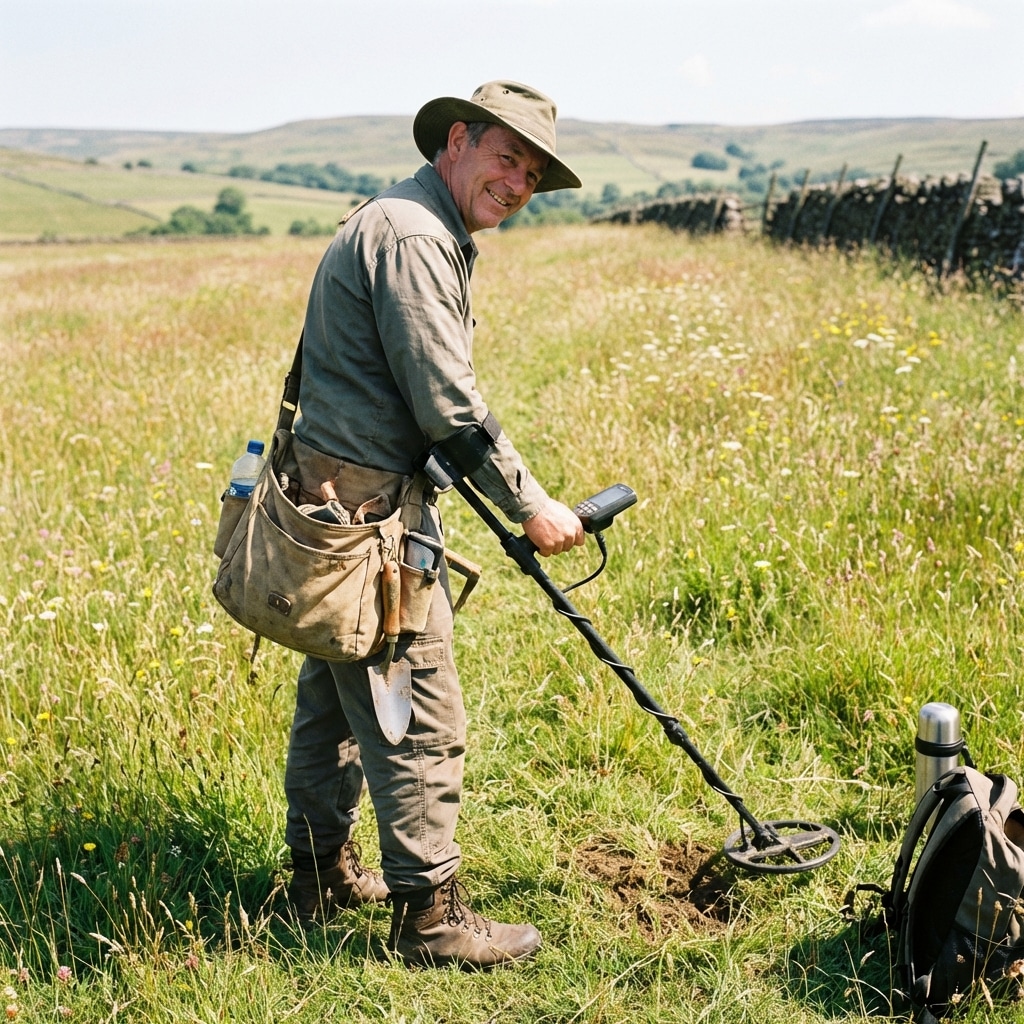
Tired of the same old routine? Craving an adventure that ignites both your body and your brain? Orienteering isn’t just another outdoor activity; it’s a dynamic, competitive sport that blends the thrill of racing with the art of navigation. Imagine yourself immersed in nature, map and compass in hand, pushing your limits as you strategically find your way through diverse terrains.
It’s a powerful combination of physical exertion and mental agility, offering a unique challenge for adventurers of all ages and skill levels. Let’s delve into the fascinating world of orienteering games and uncover why this sport is rapidly becoming a favorite for those seeking an active, engaging, and utterly rewarding outdoor experience.

What Exactly Are Orienteering Games? Beyond the Basic Treasure Hunt
At its core, orienteering is a competitive navigation sport. Unlike a casual treasure hunt, orienteering demands precision, strategic thinking, and physical endurance. Participants use a detailed, specially prepared orienteering map and a compass to navigate a predetermined course, finding a series of control points in the correct order, and striving to complete the journey in the fastest possible time.
This isn’t just about speed; it’s about making split-second decisions under pressure, interpreting complex topographical features, and maintaining an unwavering sense of direction across unfamiliar landscapes. Orienteering games can unfold in a multitude of environments, from dense forests and rugged mountains to urban parks and city streets, offering endless variations and challenges.
A Brief History: From Military Drills to Global Sport
The origins of orienteering trace back to 19th-century Scandinavia, where it began as a military training exercise. Soldiers used maps and compasses to hone their navigational skills across challenging and often unknown terrains. This practical application eventually evolved into a recreational activity and then a competitive sport, gaining popularity towards the end of the century.
The first public orienteering competition was held in Norway in 1897, marking the birth of a new athletic pursuit. By the early 20th century, international competitions were taking root, solidifying orienteering’s place as a respected and globally recognized sport. Today, it boasts a vibrant community of enthusiasts and professionals worldwide.
How Do You Play Orienteering? The Rules of the Course
An orienteering game typically begins at a designated start point, where participants receive their specialized map. This map is far more detailed than a standard topographical map, using specific symbols to denote features like paths, water bodies, elevation changes, and vegetation density.
Using their map and a compass, orienteers must navigate to a series of “control points” – marked locations on the ground that correspond to circles on their map. These control points must be visited in a specific sequence. At each control point, participants “punch” their control card (or use an electronic timing chip) to prove they’ve visited it, ensuring accuracy and fair play.
The ultimate goal is to reach all control points in the correct order and then return to the finish line in the shortest time possible. Success hinges on a delicate balance of speed, route choice, and flawless navigation.
Essential Gear for Your Orienteering Adventure
While the beauty of orienteering lies in its simplicity, a few key pieces of equipment are crucial for a successful and enjoyable experience:
- Orienteering Map: This highly detailed, custom-made map is your primary guide, providing crucial topographical and navigational information.
- Compass: Essential for orienting your map to the terrain and taking bearings for accurate navigation. A baseplate compass is standard.
- Appropriate Clothing and Footwear: Depending on the terrain and weather, sturdy trail shoes, layers of moisture-wicking clothing, and even gaiters might be necessary to protect against obstacles and ensure comfort.
- Control Description Holder (Optional): A transparent wristband or holder that keeps the control descriptions (small clues about the exact location of each control) easily visible.
- Electronic Punch System (e.g., SI Card): In competitive events, participants use a small electronic chip to register their visit at each control point and record their overall time.
Unlock Your Potential: The Myriad Benefits of Orienteering
Beyond the thrill of competition, orienteering offers a wealth of benefits for both mind and body, making it a truly holistic sport:
- Enhanced Physical Fitness: Whether you’re running, jogging, or walking, navigating varied terrain provides an excellent cardiovascular workout, strengthening muscles and improving endurance.
- Boosted Mental Agility: Orienteering is often called “active thinking.” It sharpens map-reading skills, develops spatial awareness, improves decision-making under pressure, and fosters problem-solving abilities.
- Deepened Connection with Nature: Spending time outdoors, away from screens, fosters an appreciation for natural environments and promotes mental well-being.
- Developed Confidence and Independence: Successfully navigating a course independently builds self-reliance and a strong sense of accomplishment, empowering individuals of all ages.
- Learned Navigational Skills: The practical application of map and compass skills is invaluable, transferable to hiking, trekking, and emergency situations.
- Stress Reduction: The focused concentration required and the immersion in nature can be incredibly calming and stress-relieving.
Orienteering for Everyone: No Experience Required!
Absolutely! One of the most remarkable aspects of orienteering is its incredible accessibility. It’s a sport that truly welcomes everyone, regardless of age, fitness level, or prior experience. Courses can be adapted in length and difficulty, from simple trails suitable for young children and beginners to technically challenging routes for elite athletes.
Many local clubs and organizations offer beginner-friendly courses, training sessions, and experienced mentors who are eager to introduce newcomers to the sport. It’s also a fantastic family activity, encouraging teamwork and outdoor exploration. Don’t let inexperience deter you – the learning curve is enjoyable, and the rewards are immense.
Diverse Challenges: Exploring Different Types of Orienteering
Orienteering isn’t a one-size-fits-all sport. Its versatility means there’s a variation to suit almost any preference or terrain:
- Foot Orienteering: The classic and most common form, where participants navigate on foot through various landscapes.
- Mountain Bike Orienteering (MTBO): Combining cycling with navigation, riders follow courses specifically designed for bikes, often on trails and tracks.
- Ski Orienteering: A winter sport where competitors navigate on cross-country skis, often requiring specialized maps that highlight ski trails.
- Trail Orienteering (TrailO): Designed for all abilities, including those with physical disabilities, TrailO focuses purely on accurate map reading and interpretation, with no emphasis on speed.
- Canoe/Kayak Orienteering: Navigating waterways using a paddle craft, locating controls along shorelines or on islands.
- Car Orienteering: A team event where navigation is done from a car, often involving more complex road networks and map interpretation.
The Evolving Landscape: What’s Next for Orienteering?
Orienteering is a sport constantly adapting and embracing innovation. The advent of technology has introduced exciting new forms and enhanced existing ones. Smartphone orienteering apps, for instance, allow participants to use digital maps and GPS tracking, opening up the sport to a wider audience and simplifying course setup.
Urban orienteering has also seen significant growth, with events set in bustling city parks, historical districts, and even inside large buildings. This makes the sport more accessible to those in metropolitan areas and offers unique navigational puzzles. From radio orienteering (using radio transmitters to locate points) to virtual courses, the future of orienteering promises even more creative, engaging, and technologically integrated adventures.
Ready to Navigate Your Next Adventure?
Orienteering games offer a truly unique and fulfilling experience, seamlessly blending physical challenge with mental stimulation and the pure joy of outdoor exploration. It’s more than just a race; it’s an opportunity to hone crucial skills, build confidence, connect with nature, and become part of a welcoming community.
Whether you’re an experienced athlete seeking a new competitive edge or a family looking for an engaging weekend activity, orienteering promises an unforgettable adventure. Why not step off the beaten path, grab a map and compass, and discover your new passion? The wilderness – or urban jungle – awaits your command.