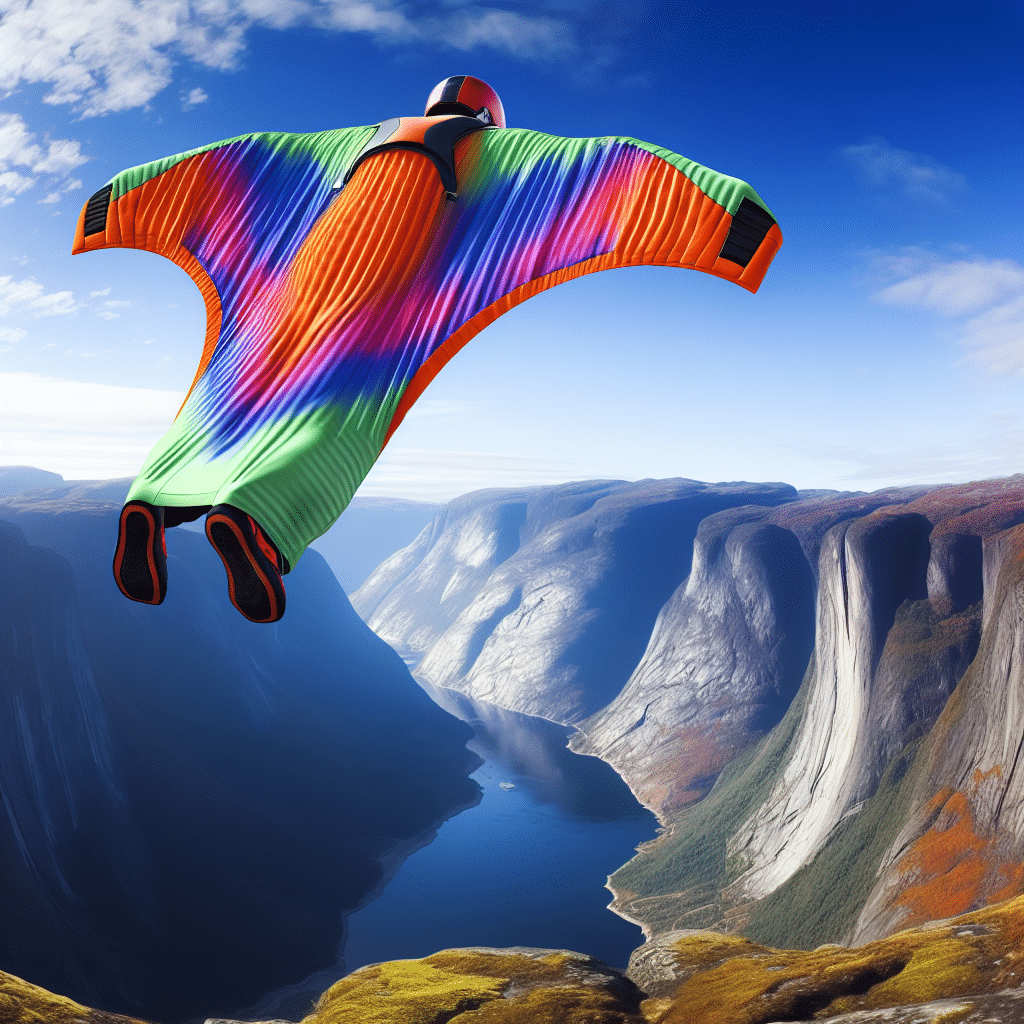
The unparalleled freedom of paragliding is an intoxicating dream – soaring like a bird, suspended between earth and sky. It’s a pinnacle of adventure, offering breathtaking views and an unmatched sense of exhilaration. However, as with any pursuit that elevates us to new heights, paragliding comes with inherent risks.
While serious paragliding accidents are relatively rare, understanding the potential dangers isn’t about fostering fear. Instead, it’s about empowering you with the knowledge to drastically improve your paragliding safety and ensure every flight is as breathtakingly safe as it is thrilling. Let’s explore the common causes of incidents and, more importantly, how to minimize these risks.
The Unseen Dangers: Deconstructing Common Paragliding Accidents
Even for experienced pilots, the dynamic environment of the sky holds surprises. Deconstructing the factors behind paragliding accidents is crucial for prevention and fostering a culture of safety. These incidents rarely stem from a single cause but often a combination of challenges.
Pilot Error: The Human Element
At the heart of many paragliding incidents lies pilot error, encompassing a range of human factors. This isn’t always about outright mistakes, but often a combination of inexperience and poor judgment. Even skilled pilots can fall victim to complacency.
Inadequate Training or Experience: New pilots may lack the skills to handle sudden wind shifts or emergency maneuvers.
Poor Decision-Making: This includes misjudging weather conditions, selecting an unsuitable launch or landing site, or attempting maneuvers beyond one’s skill level.
Complacency: Experienced pilots can sometimes become overconfident, leading to a relaxed approach to safety protocols or pre-flight checks.
Lack of Pre-Flight Checks: Rushing or skipping crucial equipment inspections can lead to overlooked issues.
Equipment Failure: Your Lifeline at Risk
Your paraglider, harness, and rescue parachute are your lifelines in the sky. When these critical components fail, the consequences can be severe. Ensuring their integrity is paramount for paragliding safety.
Wear and Tear: Over time, lines can fray, fabric can degrade from UV exposure, and harness buckles can weaken. Regular inspection is key.
Manufacturing Defects: Though rare, inherent flaws in equipment can emerge, highlighting the importance of purchasing from reputable brands.
Improper Maintenance: Neglecting professional servicing, incorrect storage, or attempting DIY repairs can compromise equipment integrity.
Incorrect Assembly or Setup: Mistakes during the rigging process before launch, such as twisted lines or improperly secured harness straps, are extremely dangerous.
Unpredictable Weather: Nature’s Challenge
The sky is a dynamic and ever-changing environment. Unexpected weather conditions are a leading cause of paragliding accidents, demanding constant vigilance and respect. What looks calm on the ground can be turbulent a few hundred feet up.
Strong Winds and Gusts: These can cause the paraglider to become unstable, collapse, or be carried off course.
Severe Turbulence: Often caused by thermals, wind shear, or terrain features, turbulence can lead to sudden loss of control or wing collapse.
Unexpected Thermals: While thermals are used for gaining height, powerful or erratic ones can lead to uncontrolled ascents or descents.
Sudden Storm Fronts: Rapidly developing weather systems can bring high winds, rain, and lightning, creating extremely hazardous flying conditions.
Environmental Factors & Site-Specific Risks
Beyond personal and mechanical factors, the flight environment itself can pose significant paragliding risks. Awareness of your surroundings, both in the air and on the ground, is critical.
Obstacles: Power lines, trees, buildings, and other aerial structures pose collision risks, especially during launch, landing, or low-altitude flight.
Challenging Terrain: Rocky or sloped landing zones, water bodies, or dense vegetation can make safe landings difficult.
Crowded Airspaces: Flying in areas with many other pilots increases the risk of mid-air collisions.
Unfamiliar Launch/Landing Zones: Each site has its unique characteristics regarding wind patterns, obstacles, and safe approach paths.
Soaring Safely: How to Drastically Minimize Paragliding Risks
Minimizing paragliding risks isn’t a matter of luck, but a steadfast commitment to preparedness, continuous learning, and respect for the sport and the elements. By adopting a proactive safety mindset, you can significantly enhance your experience.
Prioritize Training & Continuous Education
Your journey to paragliding safety begins and continues with education. Never stop learning, even after you’ve earned your initial certification.
Enroll in Certified Courses: Always learn from accredited instructors and schools. Don’t cut corners on initial training.
Advance Your Skills: Consider SIV (Simulation d’Incident en Vol) courses to practice recovery from collapses and other incidents in a controlled environment.
Seek Mentorship: Learn from experienced pilots, join local clubs, and attend safety seminars.
Understand Emergency Procedures: Practice reserve parachute deployment and other emergency responses regularly.
Master Your Gear: Rigorous Pre-Flight Checks & Maintenance
Treat your paragliding equipment with the reverence it deserves. It is your most vital safety tool, demanding meticulous attention before and after every flight.
Perform Thorough Pre-Flight Checks: Systematically inspect your wing, lines, harness, carabiners, and reserve parachute before every launch.
Regular Professional Inspections: Have your gear inspected and serviced by certified professionals annually or after significant incidents.
Proper Storage: Protect your wing from UV light, moisture, and extreme temperatures when not in use.
Know When to Retire Gear: Paragliders and harnesses have a lifespan. Replace old, worn, or damaged equipment promptly.
Respect the Sky: Weather Wisdom is Key
The sky speaks volumes, but you must learn its language. Developing a deep understanding of meteorology is fundamental for mitigating paragliding risks. Never underestimate the power of nature.
Understand Microclimates: Learn how local terrain features can influence wind patterns and create localized turbulence.
Know Your Personal Limits: Be honest about your comfort and skill level in various wind strengths and conditions. When in doubt, don’t fly.
Seek Local Advice: Talk to experienced local pilots about site-specific conditions and potential hazards.
Adhere to Regulations & Community Guidelines
Fly within the established framework for collective safety. Adhering to rules and guidelines protects not only yourself but the entire paragliding community.
Follow Local Airspace Regulations: Be aware of and comply with all flight restrictions and controlled airspace boundaries.
Respect Site-Specific Rules: Each launch and landing site may have unique rules, launch protocols, or wind limits.
Manufacturer Guidelines: Always operate your equipment within the parameters specified by the manufacturer.
Participate in Pilot Communities: Engage with local clubs and organizations to stay informed about safety updates and best practices.
Conclusion: Soar Higher, Fly Safer
Paragliding offers an unparalleled sense of freedom and adventure, a unique way to experience the world. While the thrill of flight is undeniable, understanding the potential causes of paragliding accidents is not a deterrent, but an essential step toward mastery.
By proactively investing in training, maintaining your equipment meticulously, respecting weather conditions, and adhering to safety protocols, you transform this exhilarating sport into a consistently safe and deeply rewarding experience. Fly smart, fly safe, and continue to explore the magnificent world from above with confidence.