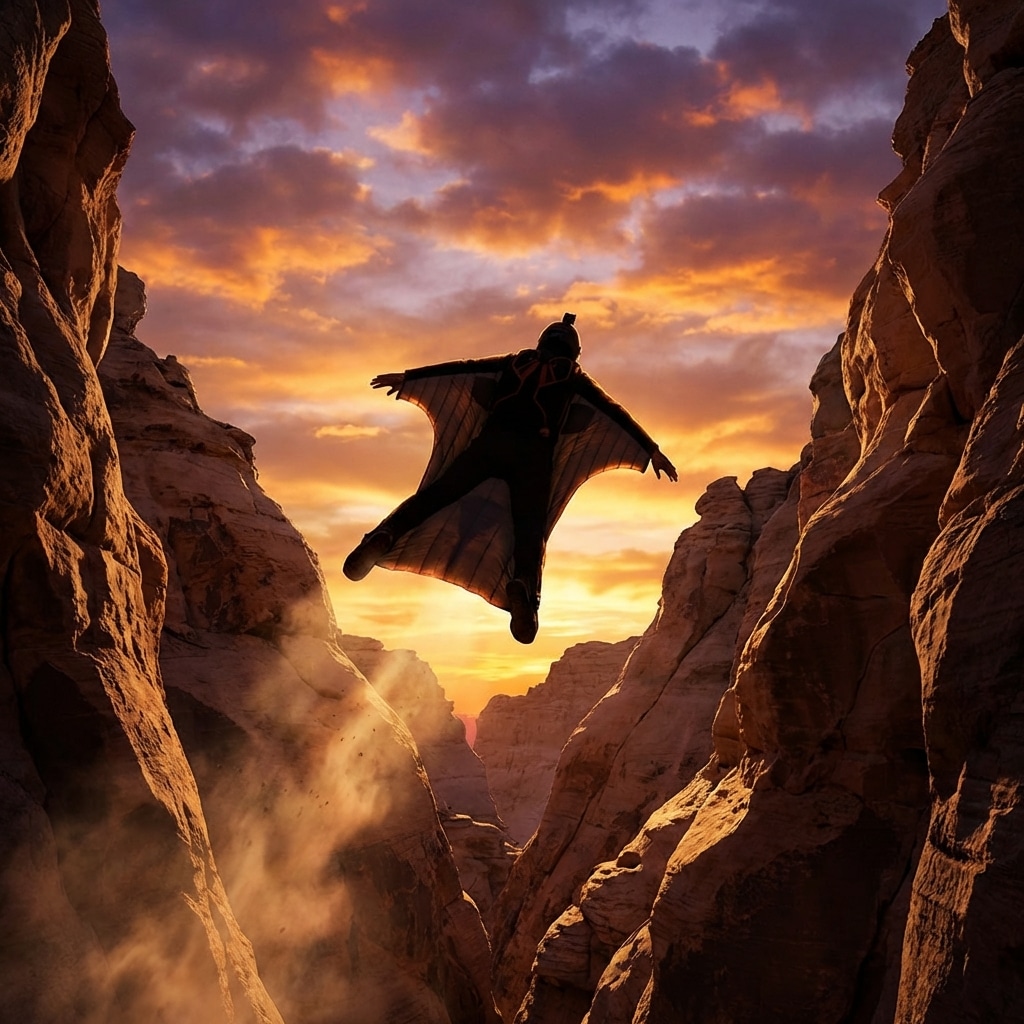
Ever dreamed of soaring through the sky like a bird, suspended by nothing but fabric and air? Paragliding offers an unparalleled sense of freedom and adventure, transforming that dream into a breathtaking reality. But before you launch into the blue, a crucial question often arises: “How much does paragliding really cost?”
Embarking on this thrilling journey requires more than just a leap of faith; it involves a significant financial investment in training, equipment, and ongoing maintenance. Understanding these expenses upfront is key to budgeting effectively and ensuring your paragliding experience is both safe and sustainable. Let’s break down the true cost of paragliding, from your first lesson to years of exhilarating flights.
The Initial Investment: Learning to Fly
Your paragliding adventure begins on the ground, not in the air. Proper training is non-negotiable for safety and skill development. This foundational stage represents a significant portion of your initial paragliding cost.
Paragliding Training Courses: Your First Step to the Sky
Learning to paraglide requires hands-on instruction from certified professionals. Beginner courses, often called P1/P2 or Novice Pilot courses, are designed to teach you everything from ground handling and meteorology to your first solo flights.
The cost for these comprehensive courses typically ranges from $800 to $2500. This price can vary significantly based on the training location, course duration (usually 5-10 days spread over several weeks), and what’s included. Most reputable schools include essential equipment rental for the duration of your training.
Licensing and Certification Fees
Once your training is complete, you’ll need to obtain official certification to legally and safely fly. These certifications validate your skills and adherence to established safety standards.
In the United States, for example, the United States Hang Gliding and Paragliding Association (USHPA) issues pilot ratings. An initial pilot rating (such as P2 Novice) can cost around $200, which covers membership fees and the certification process. Other countries have similar governing bodies and associated fees.
Essential Gear: Building Your Flight Kit
After earning your wings (figuratively speaking!), the next major expense is your personal paragliding equipment. Owning your gear is crucial for consistency, comfort, and safety, allowing you to fly whenever and wherever you choose.
The Paraglider (Wing): Your Primary Means of Flight
The paraglider, often called the wing, is the most significant investment. A new paraglider suitable for beginner to intermediate pilots typically costs between $3000 and $4000.
Factors influencing the paraglider price include its design, the quality of materials used (like ripstop nylon or composite fabrics), and the manufacturing process. Performance categories (EN-A, EN-B, etc.) also play a role, with beginner-friendly wings often being more affordable.
Harness & Reserve Parachute: Comfort and Critical Safety
Your harness is where you sit during flight, providing both comfort and attachment points for your wing and reserve. A quality paragliding harness can range from $500 to $1000, with variations based on features like back protection, integrated speed systems, and storage.
Equally vital is the reserve parachute, your ultimate safety device in an emergency. This life-saving equipment usually costs between $600 and $900 and must be regularly inspected and repacked.
Essential Accessories & Flight Electronics
Beyond the main components, several other pieces of gear enhance your safety and enjoyment.
Helmet: A specialized paragliding helmet is essential for head protection, costing between $100 and $400.
Variometer (Vario): This crucial instrument indicates vertical speed, helping you find thermals. Basic varios start around $150, while advanced flight computers with GPS can exceed $800.
GPS & Radio: GPS devices help with navigation and flight logging, while two-way radios are vital for communication with fellow pilots or retrieve drivers. These can add another $300-$700 collectively.
Flight Suit/Outerwear: Designed for warmth and wind protection at altitude, a good flight suit can cost $200-$500, though many pilots start with existing outdoor gear.
Altogether, these additional items can add anywhere from $1000 to $2000+ to your initial setup, depending on the brands and features you choose.
Long-Term Considerations: Maintenance and Replacements
Paragliding isn’t a one-time purchase. Like any high-performance gear, your equipment requires ongoing care and eventual replacement to ensure safety and optimal performance. These are crucial recurring costs to factor into your paragliding budget.
Annual Inspections and Maintenance
Regular inspections are paramount for the longevity and safety of your paraglider. Lines can stretch, fabric porosity can degrade, and stitching can wear.
Professional annual inspections, often recommended after 50-100 hours of flight or yearly, typically cost between $200 and $300. Any necessary repairs, such as line replacements or fabric patching, will be an additional cost on top of this.
Replacing Your Paraglider Wing
A paraglider wing has a finite lifespan, generally rated for 300 to 500 hours of airtime, or approximately 4-5 years of regular use. Exposure to UV light, moisture, and general wear and tear degrades the fabric and lines.
Depending on how frequently you fly and how well you care for your wing, you’ll eventually need to replace it. This means another investment of $3000-$4000 every few years to maintain peak safety and performance.
Calculating Your Total Paragliding Budget: Is It Worth It?
So, how much does paragliding cost in total? While the numbers can seem daunting, a clear breakdown helps set expectations.
Initial Setup (Training, Licensing, New Gear): You should realistically budget anywhere from $5,000 to $10,000+ to get fully equipped and certified.
Annual Recurring Costs (Maintenance, Site Fees, Travel): Expect to spend $300 to $800+ per year, excluding major equipment replacements.
Many aspiring pilots opt to buy used equipment to reduce the initial paragliding cost. While this can save thousands, it’s crucial to have used gear professionally inspected by a certified rigger before flying. Always prioritize safety over savings.
Conclusion: The Priceless Thrill of Flight
Paragliding is undoubtedly an investment, both in time and money. However, for those who embark on this journey, the rewards are immeasurable. The sheer joy, the breathtaking views, and the profound connection with nature make paragliding a truly worthy endeavor.
By understanding the various cost components – from initial training to equipment and ongoing maintenance – you can plan your budget wisely and prepare for an unforgettable adventure that literally takes you to new heights. So, if the dream of flight calls to you, start budgeting today and prepare for the ultimate surrender to the skies!