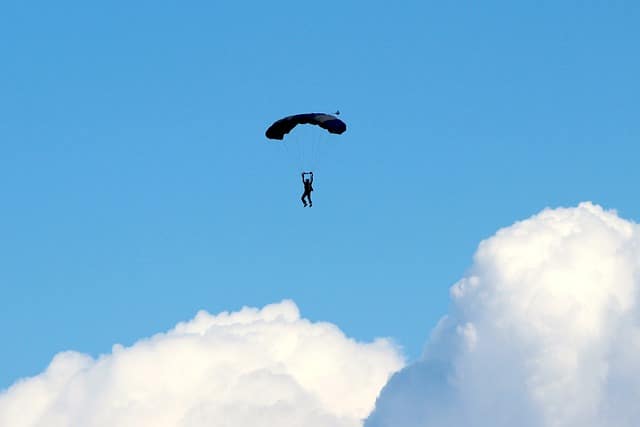
Dreaming of soaring like a bird, wind beneath your wings, and the world unfolding below? Paragliding offers an unparalleled sense of freedom and adventure. But before you launch into the sky, there’s a crucial foundation to any safe and exhilarating flight: your paragliding equipment.
The quality and suitability of your gear are paramount, directly impacting your safety, control, and overall enjoyment. So, what essential paragliding equipment do you need, and what key features should you prioritize when making your choices? Let’s break it down.
Essential Paragliding Equipment: Your Flight Foundation
Paragliding relies on a carefully designed system of components, each playing a critical role in your flight’s safety and performance. Understanding these pieces is the first step towards a confident and enjoyable aerial experience.
1. The Paraglider Wing (The “Wing”)
Often called the “wing,” this is the most iconic piece of your paragliding equipment. It’s a precisely engineered fabric airfoil, designed to generate lift and allow controlled flight. Wings are categorized by EN/LTF certifications (A, B, C, D) which indicate their passive safety and performance level, directly correlating with pilot skill.
2. The Harness
Your harness is where you sit during flight, connecting you securely to the paraglider via risers and carabiners. Modern harnesses offer comfort, integrated back protection, and storage. Designs vary from upright, stable models ideal for beginners to more aerodynamic, reclining versions for advanced cross-country pilots, often featuring a speed bar system.
3. The Reserve Parachute
A non-negotiable safety item, the reserve parachute is your emergency backup. In the unlikely event of a major wing malfunction or unrecoverable situation, deploying your reserve provides a secondary, independent means of descending safely. Regular repacking and inspection are vital for its reliable deployment.
4. The Helmet
Protecting your head is paramount. A paragliding helmet should be lightweight, comfortable, and, most importantly, certified for air sports (e.g., EN 966 standard). Ensure it fits snugly without obstructing your vision or hearing, providing crucial protection during launch, landing, and any unforeseen incidents.
5. Vario-Altimeter & GPS
While not strictly essential for your very first flights, a variometer is crucial for understanding your climb and sink rates, while an altimeter tracks your altitude. Many modern devices combine these with GPS functionality, offering vital navigation, airspace information, and flight logging capabilities, especially for thermal and cross-country flying.
6. Radio
Communication is key for safety and coordination, especially during training or when flying with a group. A reliable two-way radio allows you to stay in contact with your instructor, fellow pilots, or retrieve drivers on the ground, enhancing overall flight management and emergency preparedness.
Choosing Your Paragliding Equipment: Factors to Consider
Selecting the right paragliding gear can feel overwhelming, but focusing on a few critical factors will guide you toward informed decisions. Always remember: your instructor is your best resource.
Skill Level & Certifications
Your experience dictates the appropriate gear. Beginners should opt for EN A or low EN B wings, known for their stability and passive safety, which are forgiving and easier to learn on. As you progress, you might consider higher-performance wings (EN C or D) that demand more active pilot input. Never over-scope your equipment; safety first!
Type of Flying
Are you planning casual soaring flights, ambitious cross-country adventures, acrobatic maneuvers, or hike-and-fly expeditions? Each discipline has specific equipment requirements. For instance, hike-and-fly pilots prioritize lightweight gear, while cross-country flyers need comfortable harnesses with ample storage and advanced instruments.
Comfort & Fit
Especially for harnesses, comfort and a proper fit are non-negotiable. An ill-fitting harness can cause discomfort, reduce control, and even compromise safety during long flights. Test equipment in person whenever possible, ensuring it feels right and allows full range of motion.
Budget & Value
Quality paragliding equipment is an investment. While it’s tempting to save money, never compromise safety for cost. Seek out reputable brands known for their research, development, and stringent testing. Sometimes, slightly older but well-maintained top-tier gear offers better value than brand-new, lower-quality alternatives.
Buying Used Paragliding Gear: A Practical Option
For many beginners, purchasing used equipment is a cost-effective way to get started. However, this comes with crucial caveats. Always insist on a thorough inspection by a certified paragliding professional or your instructor. Check for fabric porosity, line integrity, harness stitching, and reserve parachute packing dates.
Ask for the equipment’s logbook to review flight hours, maintenance history, and any previous repairs. Reputable dealers often offer pre-inspected used gear, providing a safer option than private sales.
Maintaining Your Paragliding Equipment: Extend Its Lifespan
Proper maintenance is key to ensuring your gear remains safe and performs optimally for years. Avoid prolonged exposure to direct sunlight, which degrades fabric over time. Always pack your wing dry and store all equipment in a cool, dry, dark place away from chemicals and pests.
Regularly inspect your wing, lines, and harness for any signs of wear, tears, frayed lines, or damaged stitching. Pay attention to your reserve parachute’s repacking schedule – it needs to be opened, aired, and repacked by a qualified individual periodically. Professional annual inspections of your wing are also highly recommended.
The Indispensable Role of Paragliding Training
No amount of top-tier equipment can ever replace quality paragliding training. A certified instructor from a reputable school will not only teach you the fundamental skills of flying but also provide invaluable guidance on equipment selection, pre-flight checks, safety protocols, weather assessment, and emergency procedures. Their expertise is crucial for making informed gear decisions and building the confidence to fly safely.
Choosing your paragliding equipment wisely is a cornerstone of safe and enjoyable flying. Prioritize quality, suitability for your skill level, and expert advice. With the right gear and proper training, you’ll be well on your way to experiencing the breathtaking world of paragliding from a whole new perspective. Happy flying!