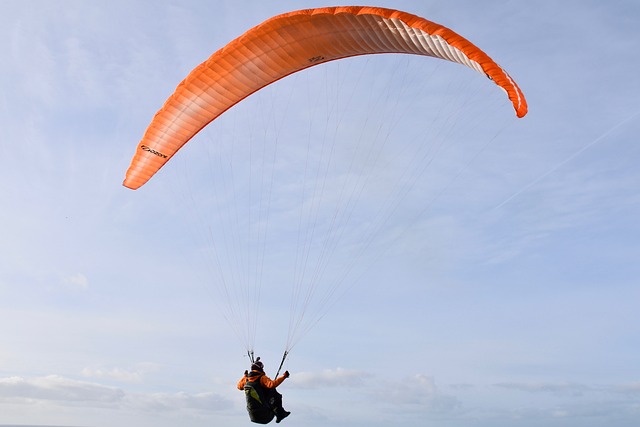
Imagine soaring high above the landscape, wind whispering past, with a panoramic view stretching to the horizon. Paragliding offers an unparalleled sense of freedom and adventure, but to truly embrace the sky safely and comfortably, your equipment is paramount. Among all your paragliding gear, the harness isn’t just a seat—it’s your connection, your control center, and your lifeline.

Investing in the right paragliding harness is arguably one of the most critical decisions a pilot will make. It directly impacts your safety, comfort, and ultimately, your enjoyment of every flight. But with countless options on the market, how do you choose the perfect paragliding harness that will carry you confidently through the skies?

What Exactly is a Paragliding Harness?
At its core, a paragliding harness is the ergonomically designed seat and support system that securely attaches you, the pilot, to your paraglider’s wing. It’s far more than just a comfortable chair; it’s a sophisticated piece of paragliding gear engineered to distribute your weight, provide essential back and leg support, and give you fine-tuned control over your glider.
Beyond comfort and connection, your harness is a critical safety component. It typically integrates a container for your reserve parachute and offers vital protection against impacts, making it indispensable for every flight, from your first solo glide to epic cross-country adventures.
Why Your Harness is Your Lifeline: Safety, Control, and Comfort
The performance of your paraglider is only as good as your connection to it. A well-chosen paragliding harness translates your body movements into precise inputs, allowing you to steer, turn, and adjust your flight path with subtle shifts in weight. It’s the essential bridge between you and the air.
Crucially, it’s also your primary safety net. Modern harnesses are designed with features that protect you in an accident and provide immediate access to your emergency reserve system. Without a high-quality, properly fitted harness, you compromise both your control and your safety in the sky.
Key Factors When Choosing Your Perfect Paragliding Harness
Selecting the ideal paragliding harness requires careful consideration of several interconnected factors. Think about your pilot level, your preferred flying style, and what you prioritize most in terms of safety and comfort. Here’s what to look for when choosing a paragliding harness:
1. Uncompromised Comfort and Perfect Fit
Long flights demand exceptional comfort. A well-fitting harness should feel like an extension of your body, snugly supporting you without creating pressure points. Look for highly adjustable straps for shoulders, chest, and legs, allowing you to customize the fit precisely to your physique.
Materials play a big role here, too. Breathable, durable fabrics with adequate padding in the seat and back areas will significantly enhance your flight experience, keeping you comfortable even on extended cross-country adventures.
2. Essential Safety Features and Protection
Your safety is non-negotiable. A top-tier paragliding harness incorporates several crucial safety elements:
- Reserve Parachute Container: This is paramount. Ensure the harness has a dedicated, easily accessible container for your reserve parachute, designed for quick and unhindered deployment in an emergency.
- Back Protection: Absolutely vital. Most harnesses feature integrated protection like thick foam protectors, advanced airbag systems, or innovative hybrid solutions (e.g., Koroyd) to absorb impact energy during unexpected landings.
- Robust Buckles and Straps: All quick-release buckles must be secure, intuitive, and easy to operate, even with gloves. All load-bearing straps should be made from high-strength, tear-resistant materials.
- Anti-Forget System: Some advanced harnesses incorporate systems that actively prevent you from launching without all critical buckles fastened, adding an invaluable layer of security.
3. Harness Type and Your Flying Style
The world of paragliding offers diverse disciplines, and harnesses are specialized to match. Choosing a paragliding harness that aligns with your intended use is key:
- Beginner/School Harnesses: Often heavier, robust, with maximum passive safety features (e.g., large foam protection) and an upright seating position for easy ground handling and stability.
- Cross-Country (XC) Harnesses: Designed for efficiency and comfort on long flights. These typically feature aerodynamic fairings (pods) to reduce drag, integrated instrument cockpits, and often a more reclined position.
- Hike & Fly/Lightweight Harnesses: These prioritize minimal weight and pack volume, sometimes making trade-offs in terms of passive safety or comfort. Ideal for mountain adventures where every gram counts.
- Acro Harnesses: Built for extreme maneuverability and enhanced impact protection, often with reinforced structural elements and specialized reserve systems to handle dynamic flying.
- Reversible/Modular Harnesses: These versatile options convert into a backpack, perfect for travelers or hike & fly pilots seeking multi-functionality in their paragliding gear.
4. Weight, Durability, and Practical Storage
Consider the trade-off between a lightweight paragliding harness and overall durability. While lighter options are great for portability, they might use thinner fabrics. A good harness strikes a balance, offering robust construction for longevity without being excessively heavy for your typical flying conditions.
Practical features like ample storage pockets for snacks or emergency gear, attachment points for radios or cameras, and an integrated cockpit for flight instruments can significantly enhance your experience. Easy access to these items while in flight is crucial for convenience and safety.
Making the Right Choice: Practical Tips for Pilots
Armed with knowledge about harness features, here’s how to ensure you make the best decision for your paragliding journey:
- Try Before You Buy: Whenever possible, sit in the harness. Ideally, get suspended in a simulator to assess comfort, fit, and accessibility of controls and the reserve handle. Do not rush this step!
- Consult Your Instructor: Your paragliding instructor or experienced pilot can offer invaluable advice tailored to your skill level, body type, and local flying conditions. Their insights are golden.
- Read Reviews and Research: Leverage online reviews, pilot forums, and manufacturer specifications to understand the pros and cons of different models. Look for feedback on durability and long-term comfort.
- Match It to Your Glider: Ensure your paragliding harness is compatible with your paraglider in terms of geometry and overall design. Your instructor can help confirm this.
- Consider Future Goals: If you plan to progress quickly into cross-country flying or advanced maneuvers, a harness that can grow with you might be a smarter long-term investment.
Conclusion: Soar with Confidence – Invest in Your Perfect Paragliding Harness
A paragliding harness is far more than just a piece of equipment; it’s an investment in your safety, comfort, and ultimate enjoyment of the skies. By prioritizing a perfect fit, robust safety features, and a design suited to your unique flying style, you ensure every flight is an exhilarating and secure adventure.
Don’t compromise on this vital component of your paragliding gear. Take the time to research, try on different models, and consult experts. Your ideal paragliding harness awaits, ready to elevate your flying experience to new heights and keep you connected to the magic of flight.