Master the Skies: Your Essential Guide to Paramotoring Equipment and Safety
Imagine soaring effortlessly above breathtaking landscapes, the world spread out beneath you like a living map. This isn’t just a dream – it’s the reality of paramotoring, an exhilarating form of powered paragliding that offers unparalleled freedom and a unique bird’s-eye view. As one of the most accessible and affordable forms of personal aviation, paramotoring has captivated adventure seekers worldwide.
But before you take to the skies, understanding your paramotoring equipment and prioritizing safety are paramount. This comprehensive guide will walk you through everything you need to know, ensuring your first flight – and every flight thereafter – is both thrilling and secure.
Decoding Paramotoring Equipment: Your Gear for the Skies
At its core, paramotoring equipment combines elements of paragliding with a motorized propulsion system. Each component plays a vital role in your flight’s success, performance, and most importantly, your safety. Let’s break down the essential gear that makes powered paragliding possible.
The Paramotor Unit: Powering Your Flight
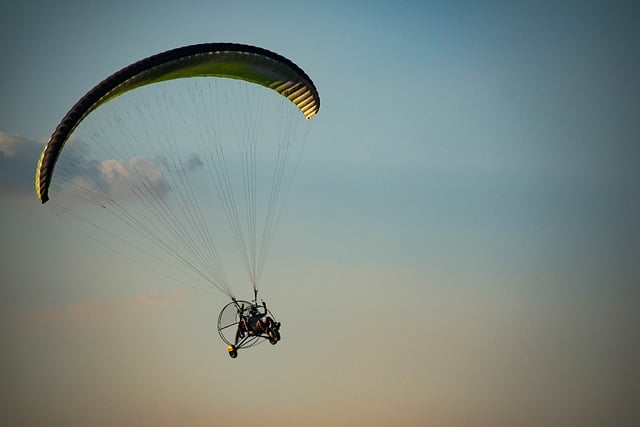
Often referred to simply as the “paramotor,” this is the heart of your powered paragliding setup. It’s a self-contained backpack unit comprising an engine, propeller, frame, and a harness attachment system. These units come in various sizes and power outputs, chosen based on pilot weight and flying conditions.
Engine: Typically a two-stroke internal combustion engine, similar to those found in chainsaws or go-karts, designed for lightweight and high power-to-weight ratio.
Propeller: Essential for generating thrust, propellers are usually made from wood, carbon fiber, or composite materials. They come in different diameters and pitches.
Frame & Cage: The frame holds the engine, propeller, and harness together. A protective cage surrounds the propeller to prevent contact with the pilot or lines during operation.
The Paraglider Wing: Your Lift and Control
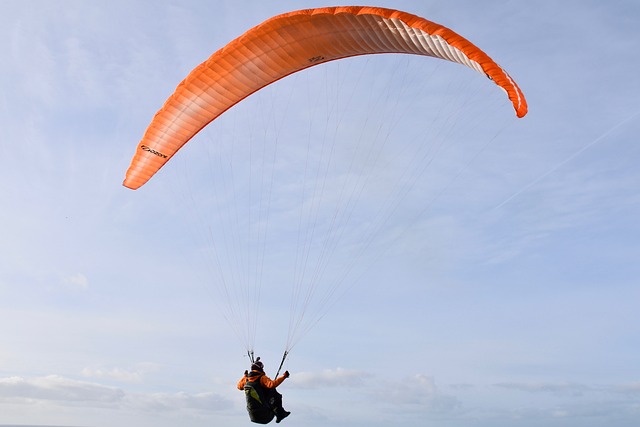
While you might associate “glider” with fixed wings, a paramotor uses a specialized paraglider wing, distinct from a traditional aircraft’s fixed wing. This fabric canopy provides the aerodynamic lift and allows for steering and maneuverability in the air.
Design: Paramotor wings are delta-shaped, often constructed from durable, lightweight ripstop nylon. They are designed for efficient lift and stable flight, even at lower speeds.
Sizes & Types: Wings vary in surface area, chosen according to the pilot’s weight, paramotor thrust, and intended flying style (e.g., beginner, cross-country, acro). Some wings feature a ‘reflex’ profile for enhanced speed and stability.
Lines & Risers: A complex network of lines connects the wing to the risers, which then attach to your paramotor harness. These lines facilitate inflation, control, and steering.
The Harness: Your Connection and Comfort
The paramotor harness is what you wear and what directly connects you to both the paramotor unit and the paraglider wing. It’s crucial for pilot comfort, weight distribution, and integrating vital safety features.
Design: Modern harnesses are ergonomically designed to distribute the paramotor’s weight evenly, enhancing comfort during flight. They often include storage pockets and attachment points.
Safety Features: Many harnesses incorporate a robust back protector, and critically, a dedicated pocket for a reserve parachute. Ensure your harness is compatible with a reserve.
Essential Safety Gear: Non-Negotiables for Every Flight
Beyond the primary flight components, several pieces of personal safety equipment are absolutely non-negotiable. These items protect you and provide crucial information during your flight.
Helmet: A purpose-built paramotor or paragliding helmet is essential. It protects your head and often integrates communication systems for instructors or fellow pilots.
Reserve Parachute: A secondary, deployable parachute designed to provide a safe descent in the event of an unrecoverable incident with the main wing. Proper packing and deployment training are vital.
Altimeter & Variometer: Instruments that display your altitude and rate of ascent/descent. These are crucial for understanding your flight profile and managing airspace.
Communication System: Radios allow you to communicate with instructors, ground crew, or other pilots, enhancing safety and coordination.
Protective Clothing: Durable flight suits, gloves, and sturdy footwear protect against abrasions and cold, improving comfort and safety.
How Does Paramotoring Work? From Setup to Soaring
The mechanics of paramotoring are surprisingly straightforward, combining basic aeronautical principles with controlled power. It begins on the ground and transitions smoothly to the sky with practice and precision.
Pre-Flight Preparation: The Groundwork for Success
Every successful paramotor flight starts with meticulous pre-flight checks. This involves inspecting all components, laying out the wing, and ensuring the engine is ready for start-up.
Gear Check: Thoroughly inspect your paramotor unit (fuel, oil, propeller, frame integrity), harness (straps, buckles), and wing (fabric, lines, risers).
Wing Layout: The paraglider wing is carefully laid out on the ground behind the pilot, ensuring all lines are untangled and symmetrical for a clean inflation.
Engine Start: Once harnessed and ready, the pilot starts the engine and performs a brief run-up to ensure it’s functioning optimally and providing adequate thrust.
The Launch Sequence: Taking to the Air
Launching a paramotor involves a controlled run and careful management of the wing overhead. The goal is to inflate the wing and generate enough lift and thrust to become airborne.
Wing Inflation: As the pilot begins to run forward, the wing inflates with air, rising above their head. The pilot uses brake lines to control the wing’s position, ensuring it’s stable and centered.
Acceleration & Takeoff: With the wing overhead and providing lift, the pilot applies throttle to the paramotor engine, accelerating until sufficient airspeed and thrust are achieved for takeoff.
In-Flight Control: Navigating the Skies
Once airborne, controlling a paramotor is intuitive, primarily involving throttle management and subtle shifts in weight and brake line input.
Throttle: The hand-held throttle controls the engine’s RPM, directly influencing thrust and consequently, your rate of climb or descent.
Weight Shift: Leaning to one side shifts your weight within the harness, subtly changing the wing’s angle of attack and initiating turns.
Brake Lines: Pulling down on the brake lines (attached to the trailing edge of the wing) increases drag on that side, further tightening turns and also used for slowing down or flaring for landing.
Landing: A Gentle Return to Earth
Landing a paramotor is a controlled descent that culminates in a gentle touchdown. Pilots learn specific techniques to reduce speed and absorb the impact.
Approach: Pilots plan their approach, often flying into the wind, to manage speed and altitude.
Flare: Just before touching down, the pilot applies the brake lines fully to “flare” the wing, converting forward speed into additional lift for a soft landing.
Prioritizing Safety: Your Flight Plan for Success
While the allure of paramotoring is undeniable, safety must always be your top priority. Adhering to strict safety protocols and continuous learning ensures a long and enjoyable flying career.
Comprehensive Training and Certification
The single most critical safety measure is proper instruction from a certified paramotor instructor. Do not attempt to self-teach or fly without professional guidance.
Qualified Instruction: Enroll in a reputable paramotor school and complete all required training, which includes ground handling, theoretical knowledge, and practical flight hours.
Ratings & Endorsements: Obtain the necessary pilot ratings and endorsements applicable in your region (e.g., USPPA ratings in the US).
Meticulous Equipment Maintenance
Your paramotor equipment is a complex machine, and regular maintenance is non-negotiable for safe operation. Treat your gear with respect and perform checks diligently.
Pre-flight Checks: As detailed above, these are vital before every flight.
Regular Servicing: Follow manufacturer guidelines for engine servicing, wing inspections, and harness checks.
Reserve Repacking: Your reserve parachute should be regularly inspected and repacked by a qualified individual, typically every 4-6 months, even if never deployed.
Lifespan Awareness: Understand the recommended lifespan of your wing and harness materials, as UV exposure and wear can degrade their integrity over time.
Unwavering Weather Awareness
Weather is the single biggest factor influencing flight safety. Respect the elements and never fly in conditions beyond your skill level or your equipment’s limits.
Pre-flight Briefing: Always check forecasts, wind speed and direction, thermal activity, and potential for storms.
Wind Limits: Understand your personal and equipment’s wind operating limits. Gusty or strong winds are a major hazard.
Air Density: Be aware of how temperature and humidity affect engine performance and wing lift.
Adhering to Aviation Regulations
Paramotoring, while a light sport, is still a form of aviation. You must understand and comply with local and national airspace regulations.
Airspace Rules: Know where you can and cannot fly. Avoid controlled airspace, restricted zones, and densely populated areas unless specifically authorized.
Local Guidelines: Be aware of any local ordinances or community agreements regarding noise, launch sites, and landing zones.
Personal Responsibility and Continuous Learning
Your attitude and judgment are crucial for safety. Always fly within your personal limits and commit to continuous improvement.
Physical & Mental Fitness: Ensure you are well-rested, alert, and physically capable of handling the demands of flight.
Risk Assessment: Always assess the risks before each flight. If something doesn’t feel right, don’t fly.
Advanced Training: Consider advanced courses to refine your skills, such as SIV (Simulation d’Incident en Vol) or cross-country flying techniques.
Choosing Your Paramotoring Gear: What to Look For
As you embark on your paramotoring journey, selecting the right equipment is a significant decision. Here’s what to consider to make an informed choice.
New vs. Used: New gear offers warranty and the latest technology, but used equipment can be a cost-effective entry point. Always have used gear professionally inspected.
Pilot Weight & Skill Level: Equipment is tailored to pilot weight and experience. Beginners typically start with more docile, stable wings and lower-powered paramotors.
Budget: Paramotoring involves a substantial initial investment. Factor in not just the gear, but also training, maintenance, and insurance.
Consult Experts: Speak with experienced instructors and reputable dealers. Their guidance is invaluable in matching you with the perfect setup.
Conclusion
Paramotoring offers an unparalleled sense of adventure and a unique way to experience the world. With the right paramotoring equipment, thorough training, and an unwavering commitment to safety, you can unlock the incredible freedom of flight.
Remember, the sky is vast, but responsible flying ensures that you and others can enjoy its wonders for years to come. Begin your journey with knowledge, respect, and a passion for soaring, and prepare to discover horizons you’ve only dreamed of.