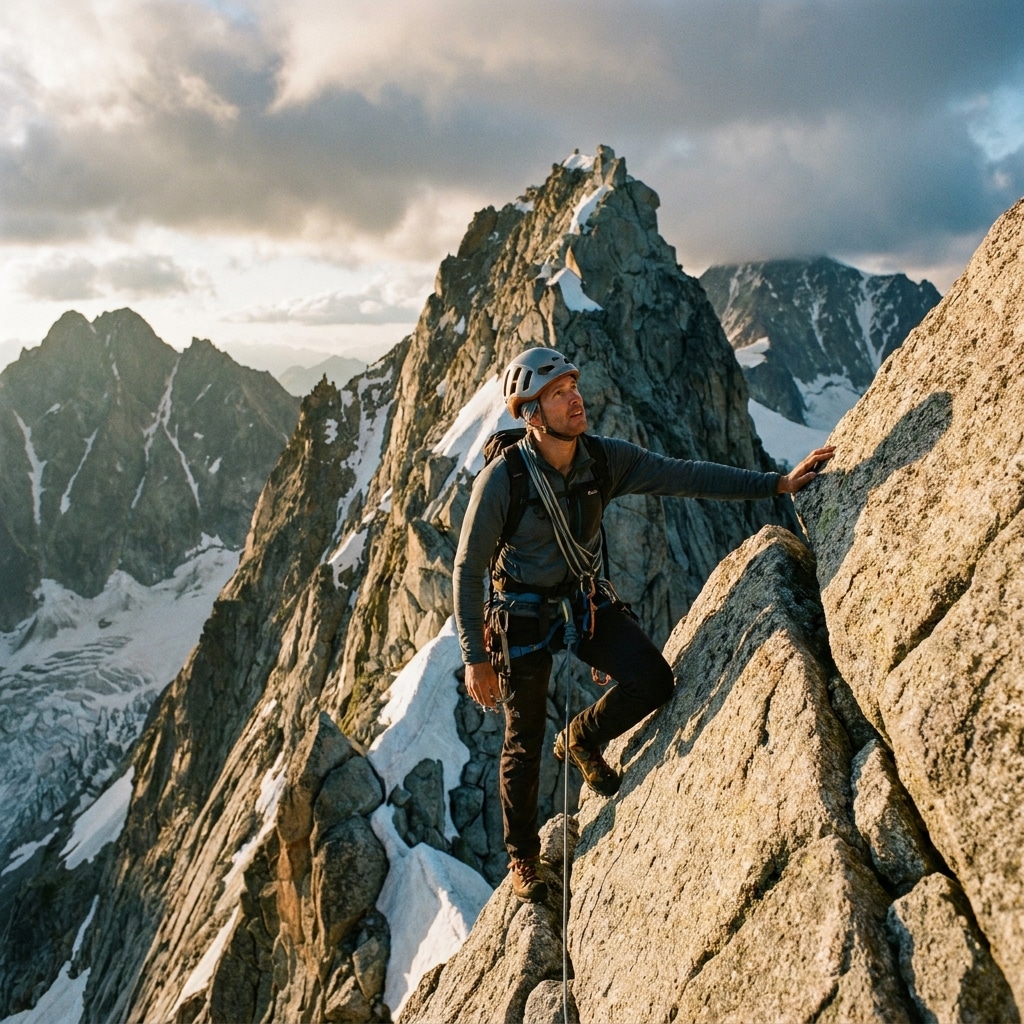
Rock climbing is an exhilarating dance with gravity, a test of strength, skill, and mental fortitude. But amidst the thrill of scaling new heights, there’s one non-negotiable aspect that often gets overlooked in its critical importance: your safety. Specifically, the indispensable piece of gear that safeguards your most vital asset – your brain.
We’re talking, of course, about the rock climbing helmet. More than just a piece of plastic and foam, it’s your first and last line of defense against the unpredictable hazards of the vertical world. Whether you’re a seasoned multi-pitch veteran or just starting your journey on the crag, understanding *why* a climbing helmet is essential and *what* makes a great one is paramount. Don’t leave your protection to chance; gear up with confidence.
The Non-Negotiable Necessity: Why Every Climber Needs a Helmet
The vertical realm presents a unique set of challenges and dangers. While climbers focus intently on handholds and footwork, a helmet works tirelessly in the background, offering crucial protection.
Guarding Against Falling Debris
When you’re on the wall, small rocks, ice chunks, or even dropped gear from climbers above can come hurtling down unexpectedly. A robust rock climbing helmet acts as your primary shield, deflecting these hazards and preventing serious head trauma.
Softening the Impact of Falls
Even a controlled fall can lead to your head impacting the rock face. A quality climbing helmet absorbs and dissipates the force of such impacts, significantly reducing the risk of concussions, fractures, and other severe injuries. It’s a buffer between you and the hard reality of the rock.
Protection in Tight Spots and Overhangs
Navigating chimneys, squeeze throughs, or powerful overhangs often brings your head dangerously close to the rock. A helmet provides crucial protection against accidental bumps and scrapes, allowing you to focus on your movement without fear of minor impacts.
Psychological Advantage: Peace of Mind
Knowing your head is protected provides invaluable peace of mind. This allows you to climb with greater confidence, focus better on the technical aspects of the ascent, and enjoy the experience more fully, free from constant worry about potential hazards.
Navigating the Options: Types of Rock Climbing Helmets
Not all climbing helmets are created equal. Understanding the primary types will help you choose the best helmet for your specific climbing style and needs.
Hardshell (Suspension) Helmets
These traditional helmets feature a tough ABS plastic outer shell and an internal webbing suspension system. They are highly durable, often more affordable, and excel at protecting against falling objects and glancing blows. However, they tend to be heavier and offer less ventilation.
Foam (Lightweight) Helmets
Constructed primarily from lightweight EPS (expanded polystyrene) or EPP (expanded polypropylene) foam, these helmets prioritize weight savings and superior ventilation. They are excellent at absorbing direct impacts but can be more susceptible to dings and dents from everyday wear and tear due to their softer outer shell.
Hybrid Helmets
Hybrid helmets offer the best of both worlds, combining a lightweight foam interior with a thin, durable polycarbonate or ABS exterior shell. This construction provides a good balance of impact absorption, durability, and decent ventilation, making them a popular choice for all-around climbing.
What to Look For: Key Features of a Superior Climbing Helmet
Choosing the right rock climbing helmet goes beyond just picking a color. Consider these critical features to ensure optimal safety and comfort on the rock.
Unwavering Comfort and Secure Fit
A helmet should feel comfortable enough to wear for hours without irritation. Look for a snug fit that stays stable on your head during dynamic movements, ensuring it won’t shift or obstruct your vision. Adjustable internal cradles and chin straps are key for a personalized, secure fit.
Optimal Ventilation for Peak Performance
Strenuous climbs can lead to overheating. Good climbing helmets feature ample vents to allow airflow, keeping your head cool and comfortable without compromising protective integrity. This is especially vital for warmer climates or long days on the wall.
The Perfect Balance: Durability and Lightweight Design
The ideal climbing helmet strikes a balance between being robust enough to withstand impacts and light enough not to cause neck fatigue. Seek out materials and designs that offer maximum protection without adding unnecessary bulk or weight to your climbing kit.
Essential Adjustment Features
Easy-to-use adjustment systems, like a rear dial or ratchet, are crucial for achieving a perfect fit. They also allow you to adjust the helmet for wearing a thin hat or headband underneath in colder conditions, enhancing its versatility.
Headlamp Compatibility
For dawn patrols, multi-pitch epics that run late, or night climbing adventures, integrated headlamp clips are indispensable. Ensure your chosen helmet has secure attachment points for your headlamp.
Top-Tier Rock Climbing Helmets Reviewed
While personal fit is always paramount, certain climbing helmets consistently rank high for their performance, protection, and user satisfaction. Here are a few leading options to consider for your next adventure.
Petzl Sirocco: The Ultralight Champion
Renowned for its feather-light construction from expanded polypropylene (EPP), the Petzl Sirocco virtually disappears on your head. It’s the go-to for alpine climbing, big wall ascents, or any situation where every gram counts, offering excellent impact absorption with minimal weight.
Black Diamond Vector: The All-Around Performer
The Black Diamond Vector is a fantastic hybrid helmet, blending comfort, robust protection, and superior ventilation. Its polycarbonate shell and EPS foam interior deliver excellent impact resistance, while generous vents keep you cool on sunny crags. It’s a versatile choice suitable for most climbing disciplines.
Mammut Wall Rider: The Robust Hybrid
Mammut’s Wall Rider features a smart hybrid construction, utilizing lightweight EPP foam alongside a hard plastic top shell for enhanced protection against sharp impacts. Climbers often praise its comfortable fit, superior ventilation, and intuitive adjustment system, making it a reliable choice for diverse climbing terrain.
Maximizing Lifespan: Care and Maintenance for Your Climbing Helmet
Your rock climbing helmet is a vital piece of safety equipment, and proper care is crucial for maintaining its protective capabilities.
Proper Storage is Key
Always store your helmet in a cool, dry place, away from direct sunlight, extreme temperatures, and harsh chemicals. Avoid stacking heavy objects on top of it or stuffing it into an overloaded pack, as this can deform the shell or foam.
Gentle Cleaning for Longevity
For cleaning, use only mild soap and warm water. Harsh chemicals, solvents, or abrasive cleaners can degrade the helmet’s materials, compromising its structural integrity. Rinse thoroughly and allow it to air dry completely before storage.
When to Retire: Inspecting for Damage and Lifespan
Regularly inspect your helmet for any signs of damage. Even seemingly minor cracks, dents, or delamination of the foam can significantly reduce its protective capacity. Crucially, **any helmet that has sustained a significant impact (even without visible damage) should be retired immediately.** Most manufacturers also recommend replacing helmets every 5-10 years from the date of manufacture, regardless of use, due to material degradation over time.
Final Ascent: Prioritizing Your Safety
Regardless of your climbing experience or the type of terrain you tackle, a high-quality rock climbing helmet is not just a recommendation—it’s a non-negotiable aspect of your essential gear. It stands as your silent guardian, offering crucial protection against the unpredictable nature of the vertical world.
Investing time and resources into choosing the right climbing helmet is an investment in your safety, your peace of mind, and the longevity of your climbing career. So, before you tie in for your next ascent, ensure your head protection is up to the challenge. Choose wisely, climb safely, and enjoy every moment on the rock!