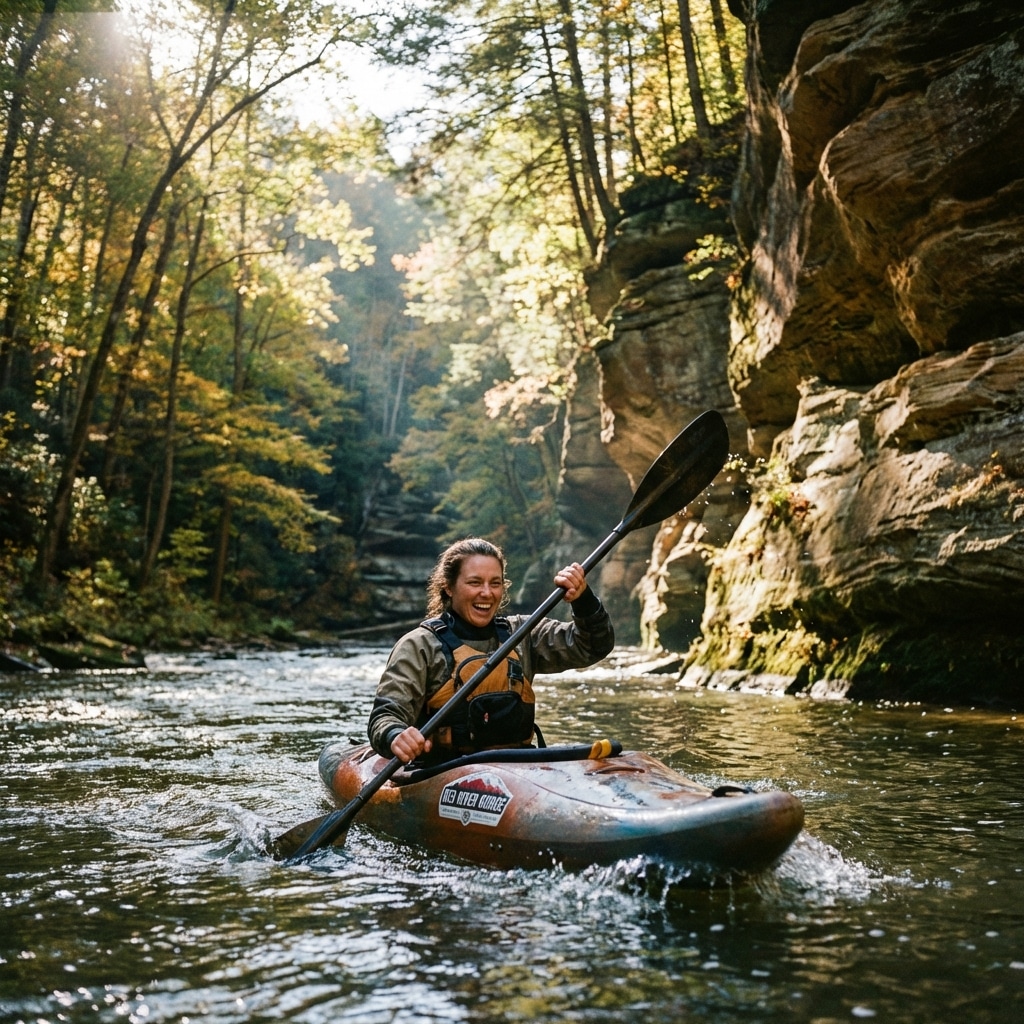
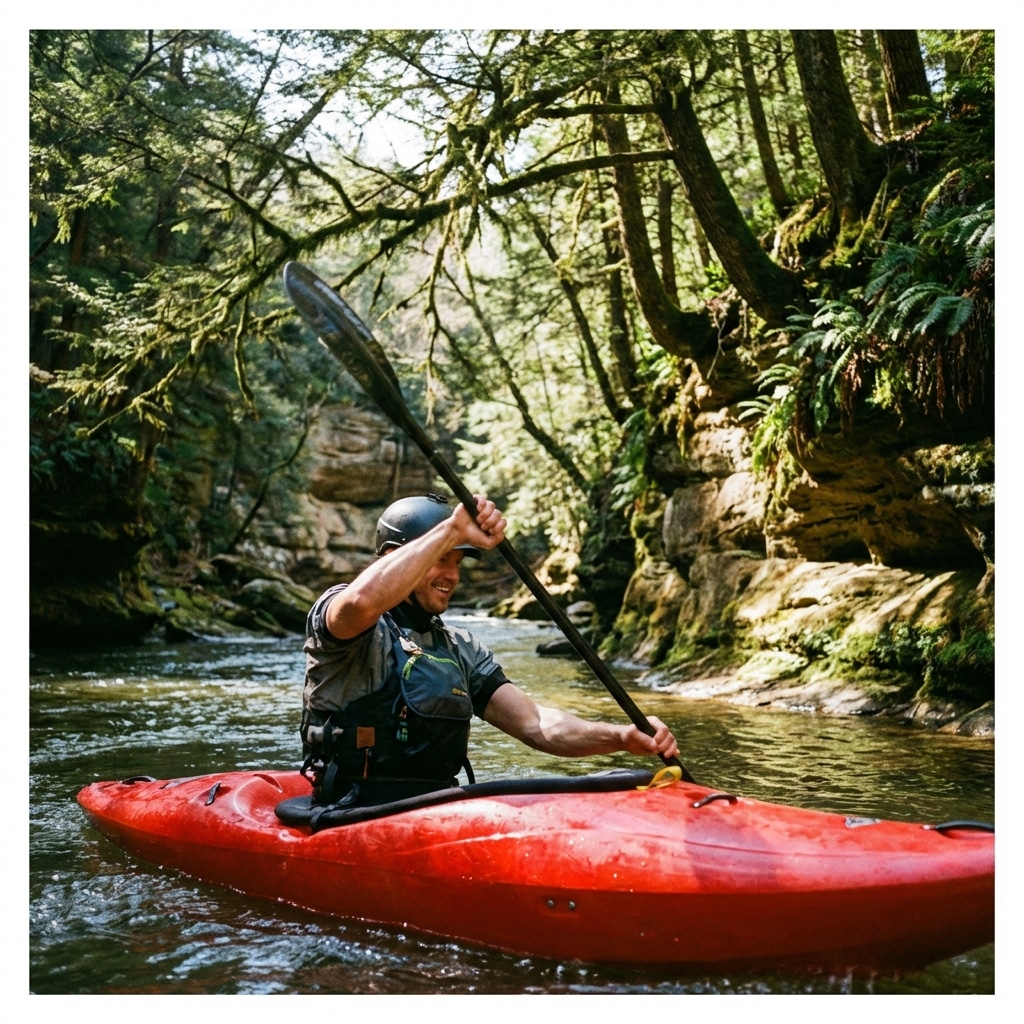
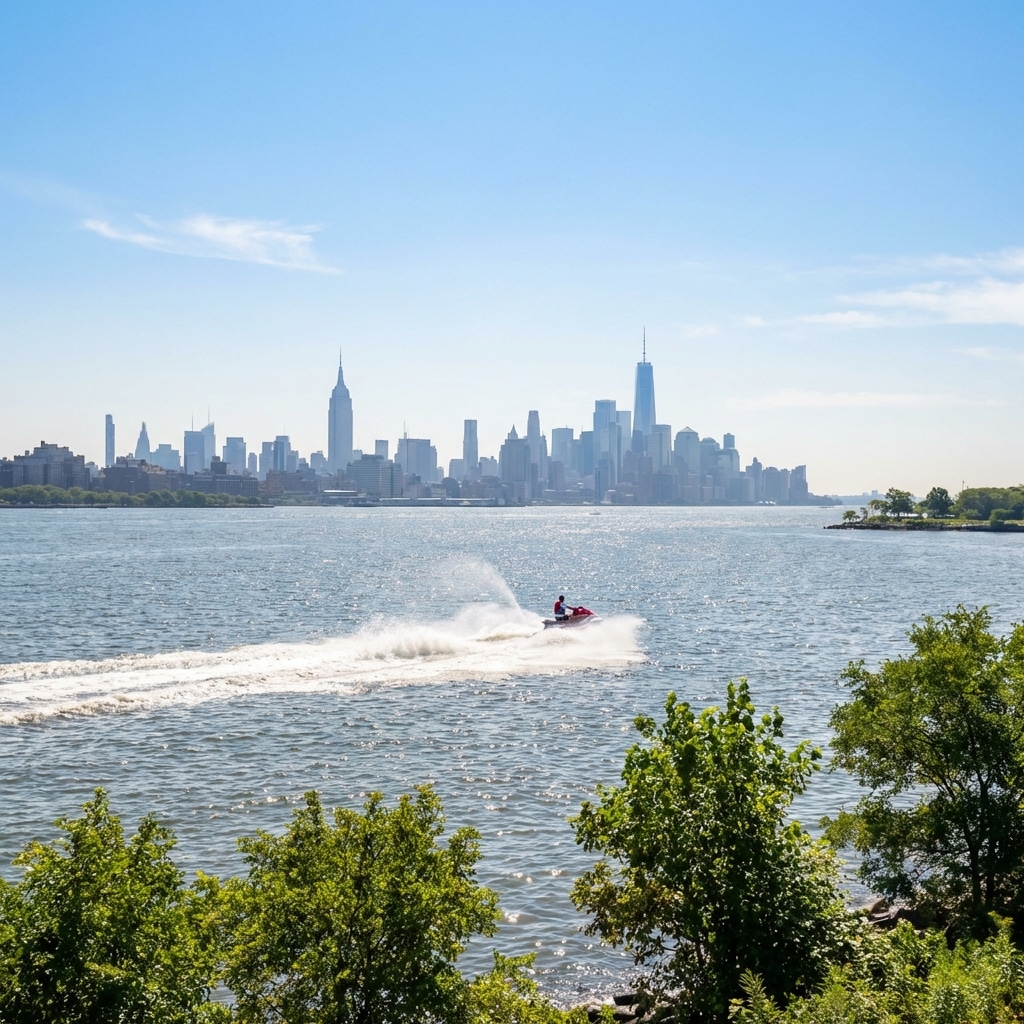
There’s nothing quite like the rush of jetskiing – the wind in your hair, the spray of water, and the exhilarating speed as you glide across the waves. It’s an ultimate freedom on the water! But with every thrilling adventure comes a vital responsibility: safety.
The most crucial question often debated among water sports enthusiasts is, “Should you wear a life jacket while jetskiing?” The answer is unequivocally yes. A life jacket isn’t just a recommendation; it’s your frontline defense, a non-negotiable piece of gear that can mean the difference between a minor incident and a serious tragedy. Let’s dive into why.
Beyond the Thrill: Why a Life Jacket is Non-Negotiable for Jetskiing Safety
Jetskiing offers an unparalleled sense of freedom, but the open water can be unpredictable. Even for experienced riders, unexpected situations can arise in seconds. Wearing a high-quality life jacket, also known as a Personal Flotation Device (PFD), provides critical protection you can’t afford to be without.
1. Sudden Falls and Unplanned Disasters
Jetskis are built for speed and agile maneuvers. A sharp turn, an unexpected wave, or a momentary loss of balance can send you flying into the water at high speed. A life jacket keeps you immediately afloat, preventing panic and reducing the risk of drowning, even if you’re disoriented or injured.
2. Unpredictable Water Conditions
What looks like calm water can quickly change. Strong currents, choppy waves, or an unexpected wake from another vessel can throw you off course. Your life jacket provides continuous buoyancy, allowing you to conserve energy and safely navigate back to your PWC or await rescue, regardless of the changing conditions.
3. Impact Protection and Injury Mitigation
Falling off a jetski at speed isn’t like slipping into a pool. The impact with the water can be significant, potentially causing injury or knocking the wind out of you. Many modern life jackets offer a layer of padding that can help absorb some of this impact, protecting your torso and minimizing potential harm during an accident.
4. Hypothermia Prevention
Even on a warm day, extended exposure to cold water can lead to hypothermia, rapidly debilitating your ability to swim or stay conscious. A life jacket keeps more of your body out of the water, providing crucial insulation and slowing the onset of hypothermia, buying you precious time.
It’s Not Just Smart, It’s the Law: Legal Mandates for PWC Life Jackets
Beyond personal safety, wearing a life jacket while jetskiing often isn’t a choice – it’s a legal obligation. These regulations are in place for good reason and are rigorously enforced by marine authorities worldwide.
1. Adherence to Federal and Local Boating Laws
In many countries, including the United States, Canada, and Australia, federal and local maritime laws mandate that all occupants of a Personal Watercraft (PWC) wear a U.S. Coast Guard (USCG) approved life jacket at all times. Failing to comply can result in substantial fines, penalties, and even impoundment of your watercraft.
2. U.S. Coast Guard and Marine Authority Guidelines
Organizations like the U.S. Coast Guard don’t make these rules arbitrarily. Their guidelines are based on extensive research, accident data, and real-world scenarios that consistently prove life jackets save lives. Following their recommendations isn’t just about avoiding a ticket; it’s about adhering to best practices established by experts.
3. Insurance and Rental Agreement Requirements
If you rent a jetski, wearing a life jacket will almost certainly be a mandatory clause in your rental agreement. Similarly, in the event of an accident, your watercraft insurance policy may be jeopardized if you or your passengers were not wearing legally required safety equipment. Always check the terms.
Debunking the Myths: Common Misconceptions About Life Jackets
Despite overwhelming evidence and clear regulations, some myths persist about the necessity of life jackets. Let’s address these head-on to ensure everyone understands the facts.
“I’m a Strong Swimmer, I Don’t Need One”
This is perhaps the most dangerous misconception. Even Olympic-level swimmers can be incapacitated by the shock of a high-speed fall, a head injury, cold water, or exhaustion. A life jacket works for you, keeping you afloat and conscious when your own abilities might be compromised.
“Life Jackets Are Uncomfortable and Restrict My Movement”
Forget the bulky, orange vests of the past! Modern life jackets are designed specifically for active water sports like jetskiing. They are lightweight, flexible, and feature ergonomic designs that allow for full range of motion. With the right fit, you’ll barely notice it’s there, except for the peace of mind it provides.
“I’m Only Riding Close to Shore/In Shallow Water”
Accidents don’t discriminate by depth or distance. Even in shallow water, a fall can lead to hitting your head on the PWC or the seabed. Strong currents can also quickly pull you further offshore. A life jacket provides consistent protection, no matter where your ride takes you.
“It’ll Ruin My Tan/Look”
While minor, some riders prioritize aesthetics over safety. However, the momentary inconvenience of a life jacket pales in comparison to the potential consequences of not wearing one. There are many stylish and low-profile options available today that combine safety with modern design.
Selecting Your Lifeline: Choosing the Right Jetski Life Jacket
Not all life jackets are created equal, especially when it comes to the demands of jetskiing. Investing in the right PFD is as important as choosing the right jetski.
1. USCG-Approved Type III PFDs
For jetskiing, look for a US Coast Guard-approved (or equivalent national certification) Type III PFD. These jackets are designed for continuous wear, offering excellent mobility and comfort, ideal for high-impact water sports. They provide sufficient buoyancy to keep a conscious person upright in calm water.
2. Prioritize a Snug and Secure Fit
The most crucial aspect of any life jacket is its fit. It should be snug but not restrictive, ensuring it won’t ride up over your head if you fall into the water. Adjustable straps, chest buckles, and even crotch straps (for smaller sizes) are vital for a secure fit. Always try it on and perform a “pull test” to ensure it stays in place.
3. Durable Material and High Visibility
Look for robust materials like neoprene or heavy-duty nylon that can withstand the rigors of water sports. Consider bright colors or reflective elements, especially if you ride in busy waters or at dusk/dawn. Enhanced visibility can be a lifesaver for you and makes it easier for rescuers to spot you.
4. Features for Comfort and Convenience
Modern PFDs come with features like drainage panels, mesh inserts for breathability, and even pockets for small essentials. While safety is paramount, these comfort features enhance your overall experience without compromising protection.
Ride Smart, Ride Safe: Your Life Jacket is Your Best Friend on the Water
So, should you wear a life jacket while jetskiing? The answer is an unequivocal and emphatic YES. It’s not merely a piece of gear; it’s a critical safety device, a legal necessity, and an essential component of responsible water recreation.
Embrace the excitement of jetskiing, but always prioritize your safety and the safety of those around you. By choosing a properly fitted, USCG-approved life jacket, you ensure that your exhilarating ride remains a safe and memorable experience. Don’t just ride; ride smart, wear your life jacket, and set a positive example for all water sports enthusiasts. Your life, and the lives of your loved ones, are worth it.