Do you ever watch a ski jumper launch themselves into the frigid air, seemingly defying gravity, and wonder: “How do they do that?” Ski jumping isn’t just a sport; it’s a breathtaking display of human courage, precision, and athletic prowess. It’s a winter spectacle that has captivated global audiences for decades, demanding a unique blend of physical and mental fortitude.
From the exhilarating speed down the take-off ramp to the serene flight and controlled landing, every second is a testament to years of dedicated training. But what truly sets the extraordinary ski jumpers apart from the merely good? In this article, we’ll soar into the thrilling world of ski jumping, uncovering the key elements that transform an athlete into a true champion.
What Defines an Elite Ski Jumper?
Becoming a champion ski jumper requires more than just a desire to fly. It demands a sophisticated combination of athletic attributes, technical mastery, and an iron will. Let’s explore the essential qualities that elevate athletes to the pinnacle of this demanding sport.
Mastering the Science of Perfect Technique
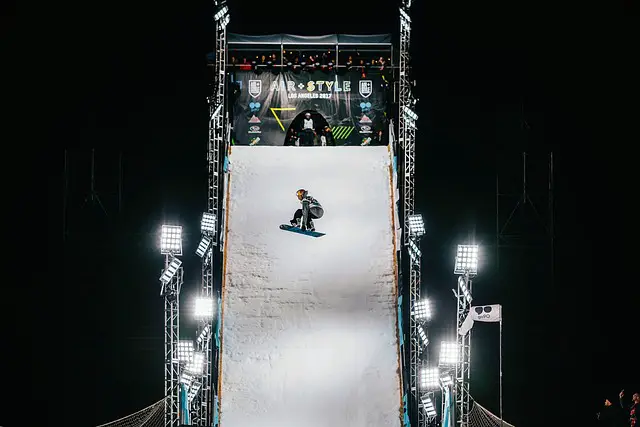
At the core of every successful jump is flawless technique. This isn’t just about looking good; it’s about optimizing every micro-movement for maximum speed, lift, and control. From the explosive launch off the take-off ramp to the aerodynamic V-style flight and the precise telemark landing, every phase is critical.
Improper body positioning, even by a few degrees, can drastically reduce distance or lead to dangerous instability. Elite jumpers possess an innate understanding of aerodynamics and body control, allowing them to ride the air currents with incredible precision. This mastery is honed through thousands of repetitions and meticulous analysis.
Peak Physical Conditioning
Ski jumping might look effortless, but it demands an extraordinary level of physical fitness. Jumpers require powerful legs for an explosive take-off and a rock-solid core to maintain stability throughout the flight. This core strength is vital for controlling their body position against powerful wind forces.
Furthermore, exceptional cardio-respiratory fitness helps athletes cope with the intense physical exertion and the high altitudes common in competitive venues. Their bodies are finely tuned machines, capable of generating immense power while maintaining delicate balance and control in dynamic situations.
Unwavering Mental Fortitude
Perhaps the most underestimated quality of a champion ski jumper is their mental toughness. The act of rocketing down a steep ramp at high speed, knowing a minor miscalculation could lead to a serious fall, requires immense courage. These athletes must possess a seemingly fearless attitude.
Beyond raw courage, top jumpers demonstrate incredible focus, concentration, and the ability to visualize a perfect jump before execution. They must control their fear, block out distractions, and make split-second adjustments mid-air. This mental mastery is a defining trait that truly distinguishes the best.
The Evolution of Flight: Ski Jumping Gear
Just as athletes have evolved, so too has the specialized equipment that enables them to push the boundaries of flight. Modern ski jumping gear is a testament to innovation, designed to enhance both performance and safety in equal measure.
High-Performance Suits
The modern ski jumping suit is a marvel of aerodynamic engineering. Crafted from specialized, wind-resistant materials, these suits are designed to minimize drag and allow athletes to glide through the air more efficiently. However, strict regulations by the International Ski Federation (FIS) govern suit design.
Suits must fit tightly to prevent the creation of excessive lift, which could compromise the jumper’s safety and create an unfair advantage. This delicate balance between reducing air resistance and adhering to safety protocols highlights the constant innovation in ski jumping attire.
Engineered for Flight: The Skis
Today’s ski jumping skis bear little resemblance to their early counterparts. Over time, they have become longer and wider, specifically engineered to provide greater lift and stability during the flight phase. This increased surface area allows jumpers to “surf” the air more effectively.
Similar to suits, the FIS imposes strict limits on ski length, correlating it to the jumper’s height. This ensures a level playing field and prioritizes athlete safety, preventing overly long skis that could become unmanageable. The bindings are also strategically placed to optimize balance and control.
Leaping into Tomorrow: The Future of Ski Jumping
The horizon for ski jumping is incredibly promising, with ongoing advancements in technology and training methodologies poised to propel the sport to exhilarating new heights. We’re on the cusp of a new era for this awe-inspiring discipline.
Technological Advancements
The integration of virtual reality (VR) in training is set to revolutionize how athletes perfect their skills. VR offers a safe, controlled environment where jumpers can repeatedly practice complex maneuvers and flight dynamics without the risks associated with actual jumps. This can accelerate skill acquisition and refine technique.
Beyond VR, data analytics and biomechanical sensors are providing unparalleled insights into an athlete’s performance. Coaches and jumpers can now analyze every aspect of a jump, from take-off angle to body position in flight, enabling highly personalized and precise training adjustments.
Global Growth and Development
The increasing global interest in winter sports provides a robust platform for ski jumping to expand its reach and popularity. Investments in state-of-the-art facilities across new regions and comprehensive talent development programs are bringing fresh talent into the sport. This ensures a vibrant future, fostering a new generation of champions.
As the sport becomes more accessible and competitive, we can expect to see even more incredible feats of athleticism and innovation. The passion for human flight, combined with cutting-edge science, guarantees ski jumping will continue to thrill audiences for decades to come.
Conclusion: The Symphony of Skill and Spirit
Ski jumping stands as a testament to human endeavor, a captivating winter sport that demands an extraordinary blend of physical prowess, mental toughness, and technical expertise. While an athlete’s inherent courage to launch themselves into the void initially defines them, their mastery of technique, peak physical fitness, and reliance on precision-engineered gear are pivotal to their success.
With continuous advancements in technology, innovative training methods, and an ever-growing global interest, the future of ski jumping is undeniably bright. It remains a sport where the human spirit truly takes flight, inspiring awe and pushing the boundaries of what’s possible.