Snowboarding isn’t just a sport; it’s an exhilarating experience that combines the thrill of speed, the beauty of winter landscapes, and a unique sense of freedom. If you’ve ever watched snowboarders carve down a mountain or soar through the air and thought, “I want to try that!” – you’re in good company. This dynamic winter activity is growing rapidly, and getting started is easier than you think.
As a beginner, navigating the world of snowboards, boots, bindings, and slopes can feel a bit overwhelming. But don’t worry, we’re here to demystify it all. This comprehensive guide will equip you with everything you need to know to confidently hit the slopes and get the most out of your first snowboarding adventures.
What Exactly is Snowboarding?
At its core, snowboarding is a winter board sport where participants strap a single board to their feet and descend a snow-covered slope. Unlike skiing, where your feet are separate, snowboarding requires balance and control over a unified platform, offering a unique sensation of gliding and flow.
The magic happens as you learn to shift your weight, dig in your edges, and navigate the mountain. It’s a fantastic full-body workout that builds core strength, improves balance, and sharpens reflexes – all while surrounded by stunning winter scenery.
Essential Gear for Your First Snowboarding Adventure
To ensure a safe, comfortable, and enjoyable first time snowboarding, having the right equipment is paramount. While you can rent most items, understanding what each piece does will help you make informed choices.
The Snowboard & Bindings
Your snowboard is typically made from composite materials like fiberglass or carbon fiber. As a beginner snowboarder, you’ll want an all-mountain or directional twin board that’s relatively soft and flexible. This makes it easier to turn and less catchy, forgiving those initial wobbles. Bindings are what connect your boots to the board, allowing you to control its movements. They should be compatible with your boots and securely hold your feet.
Boots: Your Connection to the Board
Properly fitting snowboard boots are arguably the most crucial piece of equipment. They provide the support, comfort, and responsiveness you need to control your board. Look for boots that fit snugly but don’t pinch, with no heel lift. Quality boots make a huge difference in your learning curve and overall experience.
Helmet & Goggles: Safety First!
A helmet is non-negotiable for safety. Falls are part of learning, and protecting your head is vital. Goggles protect your eyes from sun, wind, and snow, ensuring clear visibility. Look for goggles with good ventilation to prevent fogging.
Layer Up: The Right Winter Clothing
You’ll need waterproof and insulated outerwear (jacket and pants) to stay dry and warm. Layering is key:
Base Layer: Wicks moisture away from your skin (e.g., merino wool or synthetics).
Mid-Layer: Provides insulation (e.g., fleece).
Outer Layer: Waterproof and windproof shell to protect against the elements.
Gloves or Mittens
Keep your hands warm and dry. Mittens are generally warmer, while gloves offer more dexterity. Ensure they are waterproof and insulated.
Where to Learn: Finding Your Perfect Slope
Once you have your gear sorted, the next step for any aspiring beginner snowboarder is finding the right place to learn.
Ski Resorts: Your Best Starting Point
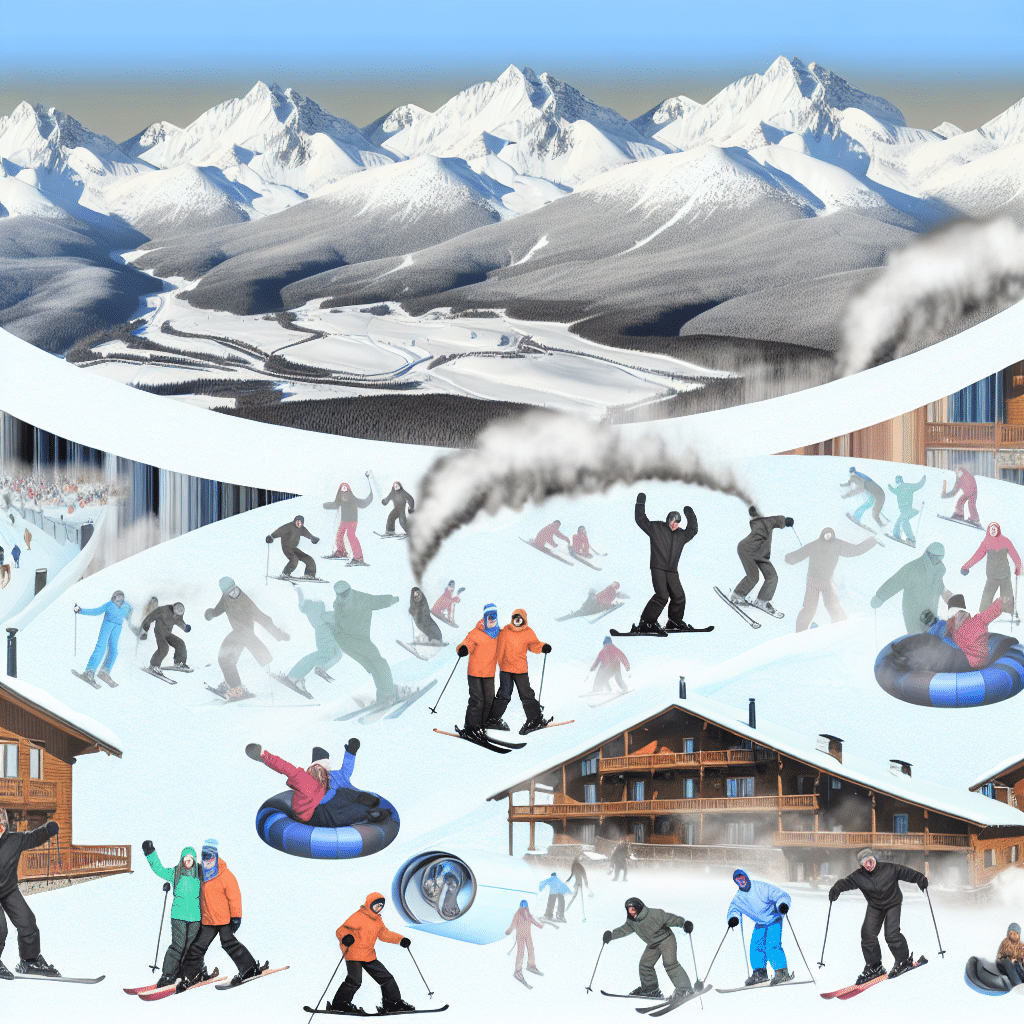
For beginners, ski resorts are the ideal environment. They offer groomed slopes, designated learning areas, and often have magic carpets or slow chairlifts perfect for practicing. Most resorts also provide equipment rentals and, critically, certified instructors. These resources make learning to snowboard safe and efficient.
While backcountry terrain offers breathtaking experiences, it’s reserved for advanced riders with significant experience, proper safety gear, and knowledge of avalanche safety. Stick to the resort for your first few seasons.
Different Styles of Snowboarding (and What’s Best for Beginners)
Snowboarding encompasses various styles, each with its unique appeal. Understanding them can help you appreciate the sport and find your preferred path.
Freestyle vs. Freeride
Freestyle snowboarding focuses on tricks, jumps, and riding in terrain parks, using features like rails, boxes, and halfpipes. It’s about creativity and aerial maneuvers. Freeride, on the other hand, is all about exploring natural terrain, riding off-piste, through trees, and on untouched powder. It emphasizes adapting to diverse snow conditions and natural features.
Alpine/Carving: Smooth Sailing for Starters
Often called carving, alpine snowboarding involves making clean, deep turns on groomed slopes. This style is excellent for beginners as it teaches fundamental edge control and balance. It’s less intimidating than attempting tricks or navigating deep powder and provides a solid foundation for all other styles. Many people find the rhythmic flow of carving incredibly satisfying.
Your First Ride: Tips for Beginner Snowboarders
Ready to strap in? Here are some crucial tips to make your first time snowboarding a success.
Invest in a Lesson (or Two!)
This cannot be stressed enough. Professional instructors teach proper techniques from the start, helping you avoid bad habits and accelerate your learning curve. They provide personalized feedback and ensure you learn in a safe, controlled environment. A good lesson is the best investment you can make as a beginner snowboarder.
Rent Before You Buy
Especially for your first few trips, renting equipment is a smart move. It allows you to try different types of gear without a significant upfront investment. Once you’re hooked and have a better idea of your preferences, then consider purchasing your own setup.
Physical Preparation
Snowboarding is physically demanding. A bit of pre-season training focused on core strength, leg stability, and balance can go a long way. Squats, lunges, and planks are great exercises to prepare your body for the demands of the slopes.
Understand Slope Etiquette & Safety
Familiarize yourself with the “Skier’s Responsibility Code,” which applies to snowboarders too. Always be aware of your surroundings, give others space, and never stop in the middle of a trail. Learn how to fall safely – tucking and rolling can help prevent injuries.
Be Patient and Have Fun!
Learning to snowboard takes time and practice. You will fall, and that’s perfectly normal! Embrace the learning process, celebrate small victories, and focus on enjoying the experience. The more relaxed you are, the faster you’ll progress.
Why Snowboarding is Worth the Ride: Benefits & Beyond
Beyond the immediate thrill, snowboarding offers a wealth of benefits that extend far beyond the slopes. It’s a fantastic way to stay active during winter, providing a robust cardiovascular workout and building strength in your legs, core, and arms.
Mentally, it’s a powerful stress reliever and confidence booster. Mastering new skills, overcoming challenges, and navigating diverse terrain provides a profound sense of accomplishment. Plus, it’s a great social activity, perfect for sharing adventures with friends or making new ones on the chairlift.
Ready to Shred?
Snowboarding for beginners is an incredible journey waiting to happen. With the right gear, a good lesson, and a positive attitude, you’ll be linking turns and embracing the mountain lifestyle in no time. So, what are you waiting for? Find your nearest resort, book that first lesson, and prepare to discover your new favorite winter sport! The thrill of gliding down a snowy mountain awaits!