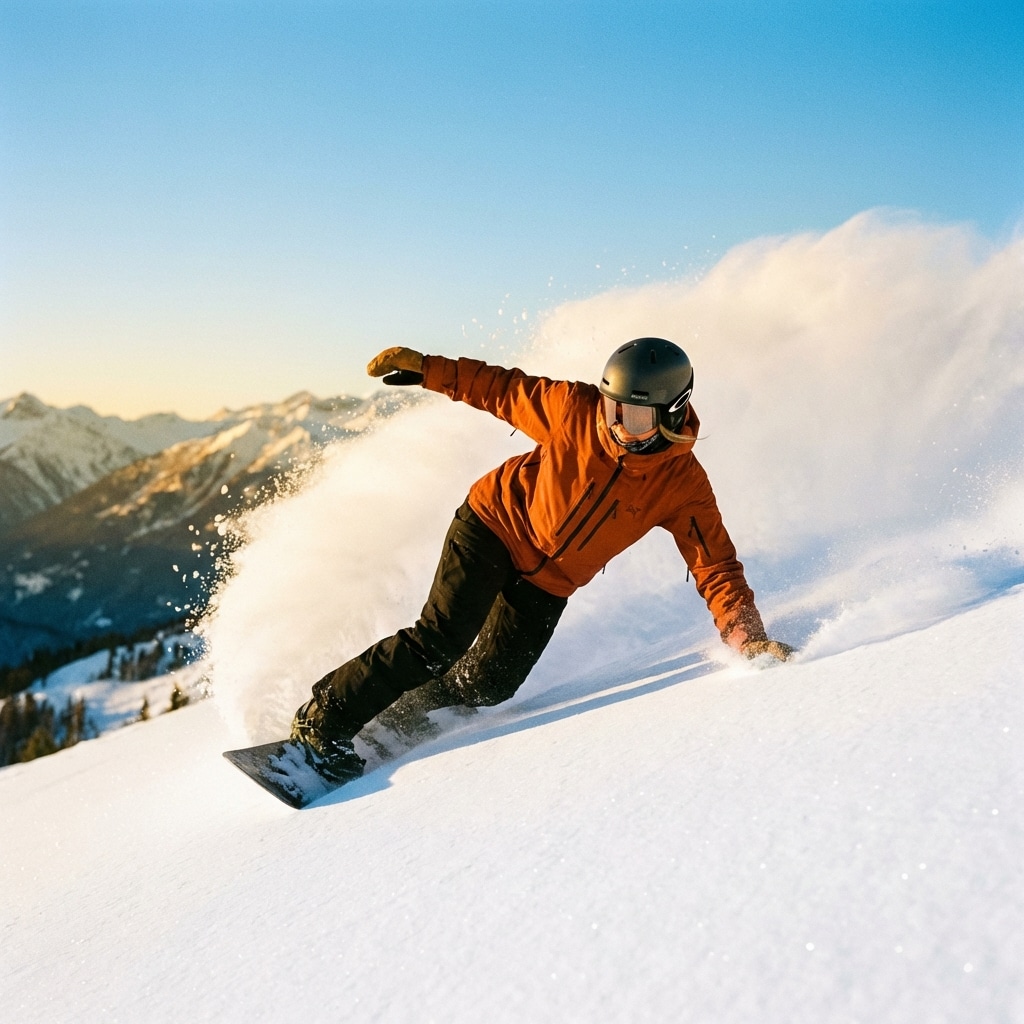
Stepping onto a snowboard for the first time is an exhilarating experience, but understanding all the gear can feel like navigating a maze. Boards, boots, bindings, apparel – the sheer variety often overwhelms beginners, making it hard to know what’s truly essential for a safe and fun start.
The good news? You don’t need to break the bank or become an expert overnight. With a clear understanding of the core equipment and smart choices, you’ll be carving up the slopes in no time. This guide will demystify snowboarding gear, helping you confidently choose what you need to embrace your new winter passion.

The Core Essentials: Board, Boots, and Bindings
Before you even think about hitting the snow, three pieces of equipment form the foundation of your snowboarding setup: the board, boots, and bindings. Getting these right is crucial for learning quickly and staying comfortable.
Snowboard
Your snowboard is your direct connection to the mountain. For beginners, choosing the right board isn’t about fancy features, but rather about stability, forgiveness, and ease of turning.
- Beginner-Friendly Styles: Look for “all-mountain” or “true twin” boards with a softer flex. All-mountain boards are versatile, while true twins are symmetrical, making it easier to ride in either direction (regular or switch) – a huge plus for learning.
- Sizing Matters: A general rule of thumb is that the board should come up to somewhere between your chin and nose when stood on its tail. Your weight is also a critical factor, so check the manufacturer’s size chart.
- Camber Profile: A flat or “rocker” (reverse camber) profile is often recommended for beginners as it’s less “catchy” and easier to initiate turns, reducing the likelihood of edge catches.
Important Note: Snowboards and ski equipment are fundamentally different and not interchangeable. Do not attempt to use snowboard bindings on skis or vice-versa, as this can be extremely dangerous.
Snowboard Boots
Forget everything you know about ski boots – snowboard boots are a different beast entirely. They prioritize comfort, support, and the right amount of flex to allow natural movement and power transfer to your board.
- Flex is Key: Unlike rigid ski boots, snowboard boots need a softer to medium flex for beginners. This allows you to comfortably bend your knees and ankles, which is essential for steering and balance.
- Snug Fit: Your heel should feel securely locked in place, with minimal lift when you flex forward. Toes should lightly brush the front of the boot, but not be cramped. A proper fit prevents pain and improves control.
- Liner System: Most boots feature an internal liner that conforms to your foot. Look for heat-moldable liners for a personalized fit, and reliable lacing systems like traditional laces, Boa, or speed laces.
Expect to pay anywhere from $150 – $350 USD for a decent pair of new snowboard boots.
Snowboard Bindings
Bindings are the critical link between your boots and your board, translating your movements directly into board control. They need to be compatible with both your boots and your board.
- Fit and Compatibility: Bindings are sized to fit specific boot sizes. Ensure your chosen bindings match your boot size perfectly. Also, check if they are compatible with your board’s mounting system (e.g., 4×4, 2×4, Channel).
- Strap-in vs. Quick-Entry:
- Strap-in Bindings: The most common type, offering maximum control and adjustability via two main straps (ankle and toe). They require sitting down to strap in, which can be a minor inconvenience but provides superior board feel.
- Quick-Entry Systems: Brands like Burton Step On, Flow, and Nidecker Supermatic offer faster entry and exit without sitting down. While convenient, some beginners might find strap-ins offer a more secure and traditional feel.
- Flex and Highback: Beginners should opt for softer-flex bindings that match a soft-flex boot and board. The highback (the tall piece at the back) provides support and control for heel-side turns.
A quality pair of snowboard bindings typically costs between $120 – $300 USD.
Protect Yourself: Helmets, Goggles, and Gloves
Safety is paramount on the slopes. Protecting your head, eyes, and hands is non-negotiable, even for casual cruising. Investing in these items ensures you stay safe and comfortable, allowing you to focus on improving your skills.
Snowboard Helmet
A helmet is your most important piece of safety gear. Don’t hit the slopes without one. It protects against impacts, keeps your head warm, and provides a comfortable fit for goggles.
- Fit is Critical: A helmet should be snug but not uncomfortably tight, with no side-to-side or front-to-back movement once the chin strap is fastened. Try it on with your goggles to ensure a seamless fit with no gaps.
- Ventilation: Look for adjustable vents to regulate temperature, preventing overheating on warmer days and allowing you to seal them off when it’s cold.
- Safety Standards: Ensure the helmet meets recognized safety certifications (e.g., ASTM F2040, CE EN1077).
Snowboard Goggles
Goggles protect your eyes from UV rays, wind, snow, and glare, ensuring clear visibility in varying conditions.
- Lens Type: Different lens tints and Visible Light Transmission (VLT) percentages are designed for specific weather. For beginners, a versatile “all-conditions” lens or one specifically for low light (high VLT, e.g., 60-80%) is a great start.
- Anti-Fogging: Look for features like dual lenses, anti-fog coatings, and proper ventilation to prevent moisture build-up.
- Helmet Compatibility: Ensure your goggles fit snugly with your helmet, creating a seamless seal without uncomfortable pressure points or a “gaper gap.”
Quality goggles can range from $70 – $200 USD.
Snowboard Gloves or Mittens
Your hands are constantly exposed and will be touching the snow frequently, especially as a beginner. Good gloves or mittens are essential for warmth, dryness, and protection.
- Waterproofing and Insulation: Look for waterproof and breathable outer fabrics (e.g., Gore-Tex) and sufficient insulation to keep your hands warm and dry. Mittens are generally warmer than gloves.
- Durability: Reinforced palms provide better grip and durability, especially important when learning to fall and push off the snow.
- Wrist Protection: Some gloves come with wrist guards built-in, which can be beneficial for beginners.
Expect to pay between $40 – $100 USD for a decent pair of snowboard gloves.
Dress for Success: Layering for Comfort and Performance
Snowboarding involves varying levels of exertion and exposure to different temperatures. The key to staying comfortable is dressing in layers, which allows you to adjust your warmth as conditions change.
Base Layers
This is the layer closest to your skin. Its primary job is to wick moisture (sweat) away from your body to keep you dry and warm.
- Material: Opt for synthetic fabrics (polyester, polypropylene) or merino wool. Avoid cotton at all costs, as it absorbs moisture and stays wet, making you cold.
- Fit: Should be snug but not restrictive, allowing full range of motion.
Mid Layers
Worn over your base layer, the mid-layer provides insulation and warmth by trapping body heat.
- Material: Fleece, synthetic insulation, or down are common choices.
- Versatility: A full-zip or half-zip mid-layer allows for easy temperature regulation.
Outer Shell: Snowboard Jacket and Pants
This is your protective barrier against the elements – wind, snow, and moisture. A good jacket and pants are waterproof, windproof, and breathable.
- Waterproofing & Breathability: Look for ratings like 10,000mm/10,000g or higher. Higher numbers indicate better performance.
- Insulation: Shell jackets/pants are non-insulated and rely on your mid-layers for warmth, offering versatility. Insulated jackets/pants have built-in warmth, which can be convenient for colder climates.
- Fit: Snowboard apparel often has a looser fit than ski clothing, allowing for greater freedom of movement. Ensure you can squat, bend, and twist comfortably.
- Features: Look for powder skirts (to keep snow out), zippered vents, multiple pockets, and adjustable cuffs/hoods.
A quality jacket and pants combo can range from $200 – $600+ USD.
Snowboard Socks
Often overlooked, the right socks make a huge difference in foot comfort and warmth.
- Material: Like base layers, avoid cotton. Opt for synthetic blends or merino wool that wick moisture and provide warmth without excessive bulk.
- Fit: Thin to medium thickness is usually best. Socks should reach above your boots to prevent chafing and bunching.
- Cushioning: Some socks offer strategic cushioning in pressure areas for added comfort.
Convenience and Transport: Snowboard Gear Bag
Once you’ve accumulated all your gear, you’ll need a way to transport and store it efficiently. A dedicated gear bag simplifies your life significantly.
- Board Bag: Protects your snowboard, often with space for bindings, boots, and sometimes even outerwear. Padded bags are ideal for travel.
- Boot Bag: A separate bag just for your boots can keep them organized and prevent snow from melting onto other items.
- Backpacks/Duffels: Larger packs with multiple compartments are excellent for carrying layers, goggles, gloves, and other accessories.
FAQ About Snowboarding Gear for Beginners
What equipment do you need to start snowboarding?
To start snowboarding, you fundamentally need a snowboard, bindings, and boots. Beyond these core items, essential protective gear includes a helmet, goggles, and waterproof gloves or mittens. For clothing, a layering system consisting of a moisture-wicking base layer, insulating mid-layer, and waterproof/breathable outer jacket and pants is crucial.
Is snowboarding gear expensive?
Purchasing a complete set of new snowboarding gear can be a significant investment, often ranging from $800 to $2,000+ USD for a decent beginner setup. However, there are ways to manage costs. Renting gear for your first few outings is highly recommended. You can also look for end-of-season sales, buy used equipment (especially boards and apparel), or invest in key items like boots and helmets new, while renting the rest.
How do you gear up for snowboarding?
Gearing up for snowboarding involves dressing in layers and assembling your protective equipment. Start with a base layer, add a mid-layer for warmth, then put on your snowboard socks. Next comes your waterproof jacket and pants. Finally, put on your helmet, goggles, and gloves. Your boots go on last, tightened snugly, and then you’re ready to click into your bindings on the snow.
What should a beginner wear snowboarding?
A beginner should wear comfortable, flexible clothing that allows for full range of motion. A moisture-wicking base layer is essential, followed by a mid-layer for warmth. Waterproof and breathable snowboard-specific jacket and pants are critical, as beginners spend more time in contact with the snow. Don’t forget waterproof gloves or mittens, a warm hat (worn under the helmet), and performance socks.
What does a beginner snowboarder need specifically?
A beginner snowboarder needs a soft-flex all-mountain or true twin snowboard sized appropriately for their weight and height, comfortable soft-flex snowboard boots that fit snugly, and strap-in bindings that match their boots and board. Crucially, a well-fitting helmet, anti-fog goggles, and waterproof gloves are also absolute must-haves for safety and comfort.
What should I wear if I don’t have snow gear for snowboarding?
If you don’t have specialized snow gear, the safest and most recommended option is to rent it from the resort or a local ski/snowboard shop. Attempting to snowboard in everyday clothing like jeans, cotton sweaters, or non-waterproof jackets will lead to quickly getting cold, wet, and miserable, increasing your risk of hypothermia and frostbite. Proper gear is vital for enjoyment and safety.
How many layers should you wear snowboarding?
Typically, you should wear three layers for snowboarding: a base layer, a mid-layer, and an outer shell. The base layer wicks sweat, the mid-layer provides insulation, and the outer shell protects from wind and snow. On warmer days, you might reduce your mid-layer. On colder days, you might add a thicker mid-layer or opt for an insulated outer shell. The goal is adaptability to varying mountain conditions.
What type of clothing is best for snowboarding?
The best clothing for snowboarding consists of technical fabrics designed for winter sports. This includes moisture-wicking synthetic or merino wool base layers, insulating fleece or synthetic mid-layers, and waterproof/breathable snowboard-specific jackets and pants. These materials excel at keeping you dry, warm, and comfortable by managing moisture and protecting against the elements, unlike cotton which absorbs and holds moisture.
Hit the Slopes with Confidence
Understanding your snowboarding gear is the first step towards an incredible experience on the mountain. By focusing on the core essentials, prioritizing safety, and dressing appropriately, you’ll set yourself up for success and enjoyment.
Don’t let the initial learning curve intimidate you – with the right equipment and a positive attitude, you’ll be linking turns and embracing the thrill of snowboarding in no time!