The rush of carving down fresh powder, the crisp mountain air, the pure exhilaration of snowboarding – it’s an unmatched feeling. But before you strap in and hit the slopes, there’s one piece of gear that stands paramount for your safety and peace of mind: the snowboarding helmet. Far from just an accessory, a quality helmet is your first line of defense against the unpredictable nature of the mountain.
Whether you’re a seasoned shredder pushing boundaries or a cautious beginner finding your balance, investing in the right head protection isn’t just wise; it’s essential. This ultimate guide will equip you with everything you need to know to choose the perfect snowboarding helmet, ensuring you can focus on the ride, not the risks.
Why a Snowboarding Helmet is Non-Negotiable
It’s a question often asked, especially by newcomers: “Do I really need a helmet for snowboarding?” The answer is an unequivocal yes. Snowboarding, while incredibly fun, carries inherent risks, and head injuries are among the most serious.
Lifesaving Head Protection
Helmets are specifically designed to absorb impact energy, protecting your brain from skull fractures and traumatic brain injuries (TBIs). A properly fitted helmet can significantly reduce the severity, and often prevent, these critical injuries from falls, collisions, or impacts with obstacles. Consider features like MIPS (Multi-directional Impact Protection System) for an added layer of safety against rotational forces.
Enhanced Warmth & Comfort
Beyond protection, snowboarding helmets offer crucial warmth in icy conditions. They feature insulation layers that keep your head cozy, preventing heat loss and enhancing your overall comfort on cold mountain days. This allows you to stay out longer and enjoy your session without distraction.
Boosted Confidence on the Slopes
Knowing you’re well-protected instills a sense of confidence, encouraging you to try new tricks or tackle more challenging terrain. A comfortable, secure helmet frees your mind from worry, allowing you to focus purely on improving your skills and enjoying the ride. It’s an investment in both your safety and your progression.
Navigating the Slopes: Key Factors When Choosing Your Snowboarding Helmet
Selecting the best snowboarding helmet for your needs involves more than just aesthetics or price. Consider these crucial factors to ensure you find a helmet that offers optimal protection, comfort, and performance.
The Perfect Fit: Your Helmet’s Foundation
A helmet is only effective if it fits correctly. It should be snug but comfortable, with no pressure points. To check the fit, shake your head gently; the helmet should not move independently of your head.
Measure your head circumference and try on various sizes to find your ideal match. Ensure there’s no gap between your forehead and the helmet, and that it doesn’t obstruct your vision.
Prioritizing Advanced Safety Tech
Look for helmets that meet recognized safety standards like ASTM F2040. Many modern snowboarding helmets also feature MIPS technology, a low-friction layer designed to reduce rotational forces during angled impacts. This can offer superior protection against certain types of brain injury.
Some helmets incorporate multi-impact foam or specialized construction to withstand multiple smaller impacts. Always research the safety features before making a purchase.
Weight & Comfort: Unrestricted Movement
A lightweight helmet enhances comfort and prevents neck strain, allowing for unrestricted movement and better balance. Modern materials like in-mold construction often provide excellent protection without excessive bulk. Try on a helmet and wear it for a few minutes to gauge its comfort level.
Ventilation Systems: Stay Cool, Stay Focused
Overheating can be a major issue, especially during strenuous activity or on warmer days. Look for helmets with adjustable vents that allow you to control airflow. This feature helps regulate your head temperature, preventing sweat buildup and keeping you comfortable throughout your session.
Goggle Compatibility: A Seamless Experience
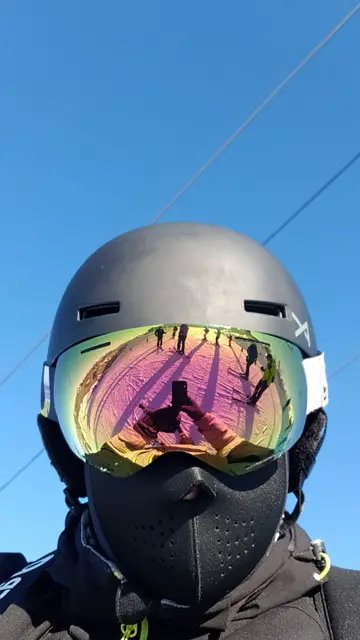
Your helmet and goggles should integrate seamlessly to avoid a “gaper gap” – the exposed skin between your goggles and helmet. Bring your goggles when trying on helmets to ensure a perfect fit and clear vision. Many brands offer helmets designed to pair perfectly with their goggle lines.
Audio Integration & Other Smart Features
Many helmets now include features like built-in audio systems or ear pads designed to accommodate drop-in speakers. Removable, washable liners are also a plus for hygiene, and magnetic buckles can offer easier, one-handed fastening. Consider these ‘smart’ additions for an enhanced riding experience.
When to Replace Your Snowboarding Helmet
Even the most robust snowboarding helmets have a lifespan. Their protective qualities degrade over time due to wear, tear, and exposure to elements. Knowing when to replace your helmet is crucial for maintaining optimal safety.
The “Five-Year Rule”
Most helmet manufacturers recommend replacing your snowboarding helmet every three to five years, regardless of visible damage. UV exposure, sweat, and general aging can cause the materials to break down, compromising their ability to absorb impact effectively.
The “Impact Rule”
If your helmet has sustained a significant impact—even if there are no visible signs of damage—it should be replaced immediately. The foam liners are designed for one major impact, and their structural integrity can be compromised without showing external signs. Don’t take chances with your head.
Visible Wear & Tear
Any cracks in the shell, dents, fraying straps, or detached padding are clear indicators that your helmet’s protective capabilities are compromised. If you notice any of these signs, it’s time for a new helmet.
Frequently Asked Questions About Snowboarding Helmets
Do ski helmets work for snowboarding?
Generally, yes. Ski and snowboarding helmets meet the same safety standards (ASTM F2040) and are often interchangeable. The primary differences tend to be aesthetic or in specific feature placements, like goggle clip styles. Always ensure a comfortable fit and proper safety certifications.
How do I know my helmet fits properly?
A good fit means the helmet is snug all around your head, with no pressure points. It shouldn’t move side-to-side or front-to-back when you shake your head gently. The front rim should sit just above your eyebrows, and it should integrate well with your goggles without a gap.
Are MIPS helmets really better?
MIPS (Multi-directional Impact Protection System) technology is designed to reduce rotational forces that can occur during certain types of impacts. While not a guaranteed injury prevention, research suggests MIPS can offer an additional layer of protection against certain brain injuries compared to non-MIPS helmets. Many experts recommend it for enhanced safety.
Conclusion: Invest in Your Safety and Shred with Confidence
A snowboarding helmet is more than just a piece of gear; it’s a critical safety tool that empowers you to fully enjoy the mountain. Taking the time to choose a properly fitting, high-quality helmet with advanced safety features is an investment in your well-being and your future rides.
Don’t compromise on safety. By understanding what to look for and prioritizing head protection, you ensure that every carve, every jump, and every powder run is backed by peace of mind. Strap on your helmet, hit the slopes, and experience the thrill of snowboarding with ultimate confidence and protection.