As winter blankets Washington in a pristine layer of snow, a world of adventure opens up for those eager to explore its serene beauty. Forget hibernating – snowshoeing is your ticket to experiencing the Evergreen State’s stunning landscapes in a uniquely active and engaging way. Whether you’re a seasoned hiker or new to winter sports, Washington offers an abundance of trails, from gentle, rolling paths to challenging ascents, all promising breathtaking views and invigorating exercise.

From the rugged peaks of the Cascades to the mystical, moss-draped forests of the Olympic Peninsula, snowshoeing allows you to step off the beaten path and immerse yourself in a quiet winter wonderland. It’s a fantastic way to stay fit, connect with nature, and discover hidden gems often inaccessible during other seasons. Ready to strap on your snowshoes and make some tracks?

Top Destinations for Snowshoeing in Washington
Washington State boasts an incredible diversity of terrain, making it a premier destination for snowshoeing. Your perfect trail depends on what kind of winter escape you’re seeking.
The Majestic Cascade Mountains
The Central and North Cascades are often considered the heart of Washington’s snowshoeing scene, offering vast wilderness areas with diverse trails. Expect dramatic mountain views, dense evergreen forests, and abundant snowfall.
- Alpine Lakes Wilderness Area: This expansive area in the Central Cascades provides over 700 miles of trails, ranging from easy, flat routes perfect for beginners to more strenuous, backcountry excursions. Popular spots include Lake Wenatchee State Park, Icicle Gorge, and trails near Leavenworth.
- Snoqualmie Pass: Easily accessible from Seattle, Snoqualmie Pass is a hotspot with numerous well-maintained trails like Gold Creek Pond, Commonwealth Basin, and the John Wayne Pioneer Trail. It’s ideal for day trips and offers varied difficulty levels.
- Mount Rainier National Park: While some areas may have avalanche danger, Paradise on Mount Rainier is a legendary snowshoeing destination. The views of the iconic peak are unparalleled, and ranger-led snowshoe walks are often available for a guided experience.
The Wild Olympic Peninsula
For a different kind of winter magic, head to the Olympic Peninsula. Here, rugged coastlines meet ancient temperate rainforests, creating a unique snowshoeing environment.
- Olympic National Park – Hurricane Ridge: This is arguably the most famous snowshoeing spot on the Peninsula. Hurricane Ridge offers panoramic views of the Olympic Mountains and the Strait of Juan de Fuca, with both groomed and backcountry options. It’s truly an unforgettable experience.
- Hoh Rainforest: While not typically deep snowshoeing territory due to its lower elevation and unique climate, the Hoh Rainforest still offers a magical winter experience. Explore the moss-draped trees and vibrant green undergrowth, potentially encountering light snowfall that transforms the ancient forest.
Essential Gear for Snowshoeing in Washington
Preparation is key for a safe and enjoyable snowshoeing trip in Washington’s varied winter conditions. Dressing in layers and having the right equipment will make all the difference.
Choosing Your Snowshoes
Snowshoes come in various types tailored for different activities. Most recreational snowshoes range from $50 to $200. Entry-level models are great for packed trails, while more aggressive backcountry snowshoes offer better flotation and traction for deeper, untracked snow. When buying, consider your weight (plus pack), the typical snow conditions you’ll encounter, and the terrain’s steepness.
Layering for Washington Winters
Washington’s weather can change quickly, especially in the mountains. The key is to dress in layers you can easily add or remove.
- Base Layer: Wicks moisture away from your skin (synthetic or wool).
- Mid-Layer: Provides insulation (fleece or down vest/jacket).
- Outer Shell: Waterproof and windproof jacket and pants to protect against the elements.
- Footwear: Waterproof, insulated hiking boots are crucial. Avoid cotton socks; opt for wool or synthetic blends.
- Accessories: Always bring a warm hat, waterproof gloves or mittens, and sunglasses to protect against snow glare.
Beyond the Basics: What Else to Bring
Don’t forget these vital items for a safe and comfortable outing:
- Trekking Poles: Highly recommended for balance, stability, and navigating uneven terrain.
- Hydration: A water bottle or hydration reservoir, and a thermos of hot coffee or tea, are essential. Staying hydrated prevents fatigue.
- Navigation: Map, compass, and/or a GPS device (and know how to use them).
- Safety Gear: A first-aid kit, headlamp, fire starter, knife, and emergency shelter are part of the “Ten Essentials” for any outdoor adventure.
- Snacks: High-energy snacks like nuts, fruit, and energy bars will keep you fueled.
The Benefits of Snowshoeing: More Than Just a Walk in the Snow
Snowshoeing is a fantastic winter activity that offers a wealth of physical and mental benefits, making it an excellent choice for almost anyone.
An Excellent Full-Body Workout
Compared to regular hiking, snowshoeing can be more challenging, especially in deep or uneven snow. You’ll burn significantly more calories – often 400-500 per hour or more – as your body works harder to move through the snow. This makes it a superb cardiovascular workout that engages your legs, core, and even upper body if you use poles.
For those concerned about joint health, snowshoeing is remarkably low-impact. The wide surface area of snowshoes distributes your weight, reducing stress on knees and other joints. This makes it a great option for individuals with arthritis or those seeking a gentle yet effective outdoor exercise.
Snowshoeing vs. Cross-Country Skiing
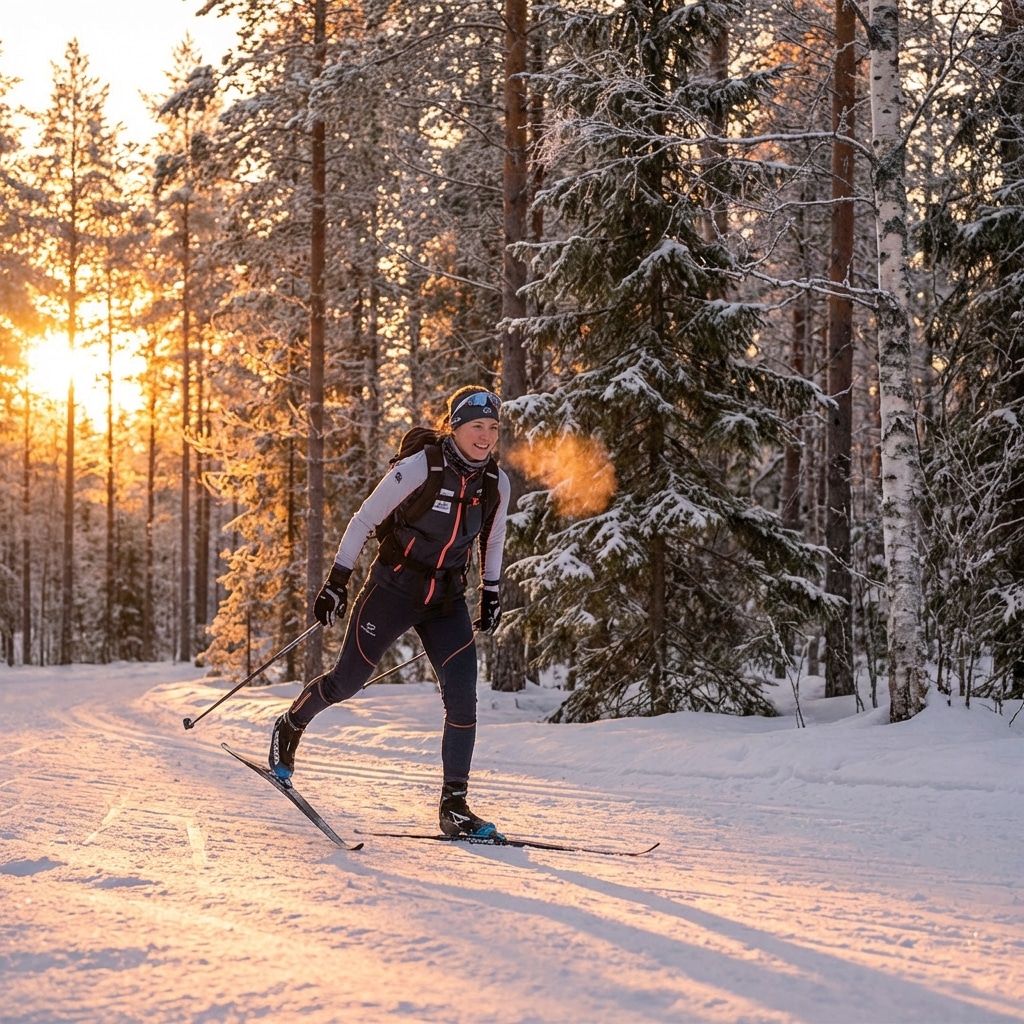
While both are excellent winter activities, snowshoeing is generally considered easier to learn and requires less specialized technique than cross-country skiing. Snowshoeing is essentially walking with added flotation, making it accessible to most hikers. Cross-country skiing, while incredibly graceful on groomed trails (like those in Methow Valley or Stevens Pass), can be more challenging to master for off-trail exploration.
Immerse Yourself in Stunning Winter Scenery
The scenery while snowshoeing in Washington is nothing short of spectacular. Imagine snow-dusted evergreens, frozen lakes, and panoramic vistas of snow-capped peaks against a crisp blue sky. You might even spot wildlife like deer, elk, or various birds, enjoying the tranquil winter landscape. Taking the time to stop, breathe, and soak in the serene views is an essential part of the experience.
Planning Your Washington Snowshoe Adventure
Timing and preparation are crucial for a successful and safe snowshoeing trip.
Best Time of Year to Go
The snowshoeing season in Washington typically runs from late November/early December through March or even April in higher elevations. The prime months are usually January and February when snow depths are reliable. Always check current weather forecasts and trail conditions before heading out, as avalanche danger is a serious consideration in mountainous regions.
Can You Snowshoe Without Snowshoes?
While technically possible to “post-hole” (walk directly through snow without snowshoes), it is significantly more difficult, tiring, and can be dangerous, especially in deep snow. You’ll sink repeatedly, making progress slow and exhausting. For any meaningful snow travel in Washington’s winter conditions, snowshoes are essential for flotation, efficiency, and safety.
Embrace the Washington Winter!
Snowshoeing in Washington offers an unparalleled opportunity to connect with nature, challenge your body, and create unforgettable winter memories. With diverse landscapes from the snow-covered peaks of the Cascades to the unique environment of the Olympic Peninsula, there’s a perfect trail waiting for every adventurer.
So, gather your gear, dress in layers, and prepare to explore Washington’s stunning winter wilderness. The crisp air, the glistening snow, and the profound quiet of the forest await. Happy snowshoeing!