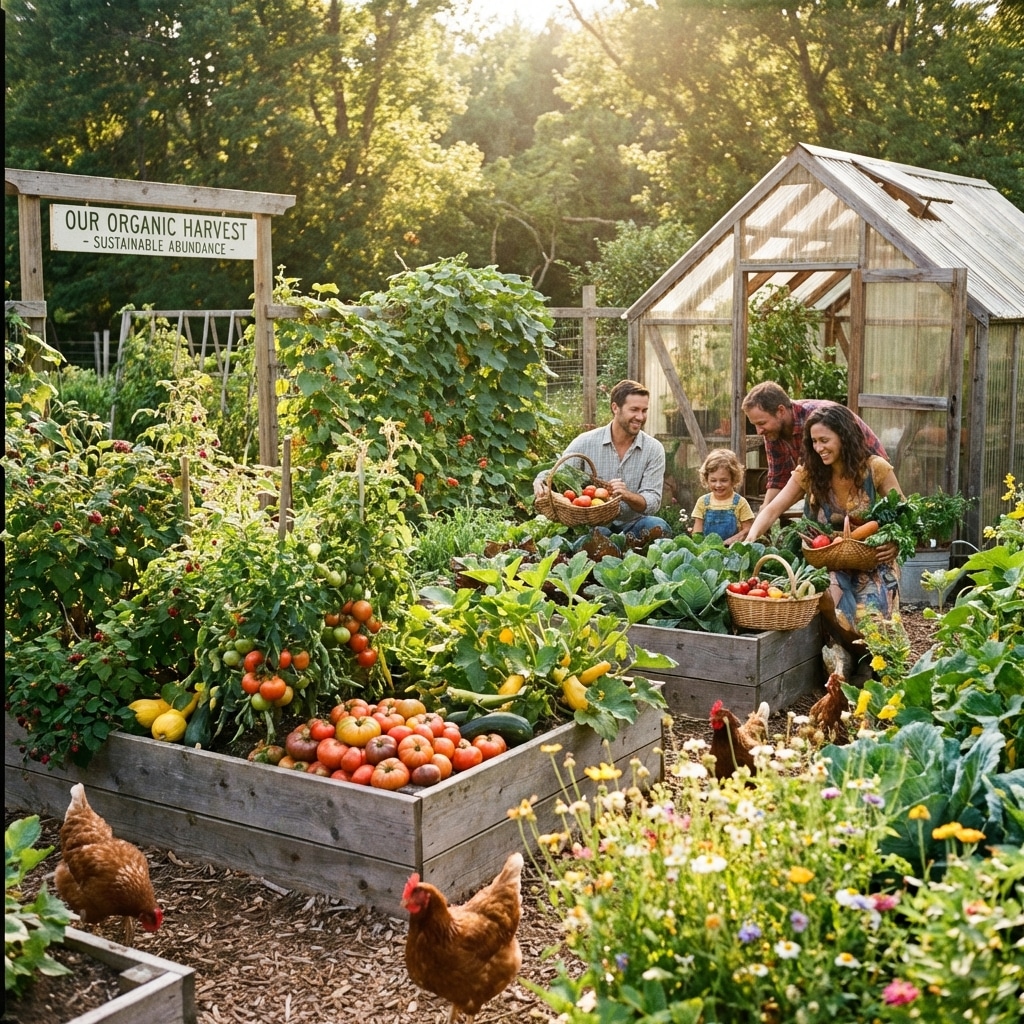
Dreaming of a vibrant garden bursting with life, fresh produce, or stunning blooms? Many aspiring gardeners feel overwhelmed, unsure where to begin or how to keep their plants thriving. The good news is, cultivating a successful garden isn’t a mystery; it’s a journey of understanding and applying fundamental steps.
Whether you’re potting your first herb or planning an expansive backyard oasis, mastering these essential gardening stages will transform your efforts into bountiful rewards. This comprehensive guide breaks down the process into actionable steps, empowering you to grow with confidence and enjoy every moment of your green adventure.
1. Cultivating Your Dream Garden: The Planning Phase
Every successful garden begins long before the first seed is sown—it starts with thoughtful planning. This foundational step prevents frustration, wasted resources, and ensures your garden is set up for long-term success. Think of it as creating a blueprint for your outdoor sanctuary.
Why Smart Planning is Your Garden’s Foundation
Rushing into planting without a clear plan often leads to common pitfalls like choosing unsuitable plants or exhausting your supplies too soon. A proper plan helps you visualize your space, anticipate needs, and make informed decisions from the outset. It ensures you have the right tools and knowledge for your garden to flourish.
Choosing the Right Plants for Your Zone and Vision
Plant selection is crucial for a thriving garden. Consider these key factors to match plants to your environment and gardening goals. This strategic approach minimizes future headaches and maximizes your enjoyment.
Climate and Season (Hardiness Zone): Research plants suited for your USDA Hardiness Zone and local climate. Understand your average last and first frost dates to determine optimal planting windows for vegetables and flowers.
Garden Purpose: Are you aiming for a productive vegetable patch, a vibrant floral display, a low-maintenance native garden, or a mix? Defining your garden’s purpose will guide your plant choices and layout.
Space and Sunlight Considerations: Accurately assess your available space and, crucially, the amount of direct sunlight each area receives daily. Most fruiting vegetables and many flowers require at least 6-8 hours of full sun.
Water Access: Consider how easily you can water plants in your chosen location. Grouping plants with similar water needs can simplify irrigation and conserve water.
2. Building Life Below Ground: Soil Preparation
Healthy plants can only grow in healthy soil. Often overlooked, proper soil preparation is the single most important step for a productive and resilient garden. It’s not just dirt; it’s a living ecosystem.
The Secret to Healthy Plants: Nurturing Your Soil
Your soil provides plants with essential nutrients, anchors their root systems, and retains crucial moisture. Ensuring it has the correct pH balance and rich organic matter sets the stage for strong growth, disease resistance, and abundant yields. Investing time here pays dividends throughout the season.
Understanding and Enhancing Your Garden’s Foundation
Don’t guess what your soil needs—test it! This simple step provides invaluable insights into its composition and nutrient profile.
Soil Test Kit: Use an inexpensive soil test kit or send a sample to your local extension office. This reveals your soil’s pH (acidity/alkalinity) and current nutrient levels (nitrogen, phosphorus, potassium).
Adding Amendments: Based on your test results, incorporate organic matter like well-rotted compost, aged manure, or peat moss. These amendments improve soil structure, enhance drainage, boost water retention, and provide a slow-release source of nutrients.
Tilling or Double Digging: Gently loosen compacted soil to improve aeration and root penetration. Avoid over-tilling, which can disrupt beneficial soil microbes.
3. Bringing Your Garden to Life: Planting Strategies
With your plan in hand and soil prepared, it’s time for the exciting part: planting! Correct timing and technique are vital to give your seeds and seedlings the best possible start. This stage transforms your vision into a tangible reality.
Timing is Everything: Knowing When to Plant
Different plants have specific temperature requirements for germination and growth. Planting too early or too late can lead to stunted development or crop failure. Always consult seed packets or plant tags for specific instructions.
Direct Sowing vs. Seedlings: Decide whether you will sow seeds directly into the garden bed or purchase young plants (seedlings) from a nursery. Starting seeds indoors can give you a head start, especially for plants with long growing seasons.
Succession Planting: For continuous harvests of certain vegetables like lettuce or radishes, consider planting small batches every few weeks. This ensures a steady supply rather than one large harvest.
Mastering Planting Techniques for Optimal Growth
Proper planting depth and spacing are critical for root development and overall plant health. Follow these guidelines to ensure your new garden additions thrive.
Planting Depth and Spacing: Always follow the recommended planting depth and spacing instructions on seed packets or plant labels. Planting too deep or too shallow can hinder germination and growth, while proper spacing ensures adequate airflow and nutrient access.
Handle Seedlings Gently: When transplanting seedlings, handle them by their leaves or root ball, not the delicate stem. Dig a hole slightly larger than the root ball, place the seedling, and backfill gently.
Water Immediately After Planting: Thoroughly water new seeds or transplants to help settle the soil and eliminate air pockets around the roots. This is a critical step for establishment.
4. The Elixir of Life: Smart Watering Practices
Water is indispensable for plant growth, but it’s often misunderstood. The right watering approach can prevent common garden problems and ensure your plants remain hydrated and healthy. Effective watering isn’t just about quantity; it’s about technique.
Understanding Your Plants’ Thirst: The Right Amount at the Right Time
Different plants, soil types, and weather conditions dictate varying water needs. Overwatering can be just as detrimental as under-watering, leading to root rot and fungal diseases. Learn to read your plants’ signals and assess soil moisture.
Check Soil Moisture: Instead of a fixed schedule, feel the soil about an inch or two deep. If it feels dry, it’s time to water. Wilting leaves can also indicate a need for water, but they can also signal overwatering.
Deep and Infrequent: Encourage deep root growth by watering deeply and less frequently. This teaches roots to seek moisture further down, making plants more drought-resistant.
Efficient Watering for a Resilient Garden
Maximize water absorption and minimize waste with these smart watering techniques. They save water, prevent disease, and ensure your plants get what they need.
Morning Watering: Water early in the morning. This allows plants to absorb moisture before the sun’s heat causes excessive evaporation and gives foliage time to dry, reducing the risk of fungal diseases.
Targeted Delivery: Use soaker hoses or drip irrigation systems to deliver water directly to the plant roots. This minimizes evaporation, reduces water waste, and keeps foliage dry, deterring diseases.
Mulching for Moisture: Apply a layer of organic mulch (like straw, wood chips, or shredded leaves) around your plants. Mulch conserves soil moisture, suppresses weeds, and moderates soil temperature.
5. Nurturing Growth: Ongoing Garden Maintenance
A thriving garden isn’t a “plant it and forget it” affair. Regular maintenance is crucial for sustaining plant health, maximizing yields, and keeping your garden looking its best. Think of it as your ongoing partnership with nature.
Why Regular Care is Non-Negotiable for a Flourishing Garden
Consistent attention helps prevent common issues like weed invasion, pest outbreaks, and nutrient depletion. It also encourages new growth and ensures your plants have the resources they need to produce. This continuous care is the backbone of a productive garden.
Essential Tasks to Keep Your Garden Thriving
Integrate these tasks into your regular gardening routine for optimal results. Each one plays a vital role in maintaining ecological balance and plant vitality.
Weed Management: Regularly remove weeds that compete with your plants for water, nutrients, and sunlight. Hand-pulling, hoeing, or applying a fresh layer of mulch are effective strategies.
Integrated Pest Management (IPM): Monitor your plants for signs of pests or diseases. Address issues early with organic solutions like insecticidal soap, neem oil, or by introducing beneficial insects. Prevention is often the best defense.
Feeding Your Plants: As plants grow, they deplete soil nutrients. Supplement their diet with organic fertilizers, compost tea, or slow-release granular feeds, especially for heavy feeders like vegetables.
Pruning and Deadheading: Regularly prune away dead, diseased, or overcrowded branches to improve airflow and plant vigor. Deadhead spent flowers to encourage new blooms and prevent plants from putting energy into seed production.
Provide Support: For vining plants like tomatoes, cucumbers, or pole beans, install stakes, trellises, or cages early in their growth to provide necessary support and keep fruit off the ground.
6. The Sweet Reward: Harvesting Your Garden’s Bounty
After all your hard work, the moment of harvest is incredibly satisfying. Knowing when and how to pick your produce ensures you get the best flavor, texture, and nutritional value from your garden’s offerings. It’s the culmination of your season’s efforts.
Knowing When to Pick: Signs of Ripeness
Each plant has specific indicators for when its fruits or vegetables are ready. Familiarize yourself with these signs to harvest at peak ripeness. This knowledge prevents under- or over-ripening, ensuring delicious results.
Visual Cues: Look for specific colors, sizes, and firmness. Tomatoes turn red, cucumbers firm up, and peppers develop their mature color.
Ease of Detachment: Many fruits and vegetables, like squash and beans, should detach easily from the plant with a gentle tug or twist when ripe.
Fragrance: Some fruits, especially melons and berries, will emit a sweet aroma when ready to harvest.
Techniques for a Continuous Harvest
Harvesting correctly not only yields fresh produce but can also encourage further production from your plants. Use these methods to enjoy your bounty for as long as possible.
Use Clean, Sharp Tools: Snip off vegetables and fruits with clean bypass pruners or sharp knives to avoid damaging the plant and ensure clean cuts that heal quickly.
Harvest in the Morning: Pick produce in the early morning after dew has dried. At this time, plants are at their juiciest and most flavorful.
“Cut-and-Come-Again” Harvesting: For leafy greens like lettuce and spinach, harvest outer leaves, allowing inner leaves to continue growing. This method extends the harvest period significantly.
7. Looking Ahead: Preparing for Next Season’s Success
Gardening is a continuous cycle. Thinking beyond the current season and preparing your garden for the months ahead is crucial for long-term success. This forward-thinking approach saves time and effort while building resilience.
Why Year-Round Gardening Mentality Pays Off
By tending to your garden in the off-season, you’re investing in its future health and productivity. This proactive approach helps build soil fertility, prevents pest overwintering, and allows for better planning. It transforms gardening into a sustainable, ongoing passion.
Crucial Off-Season Tasks for a Better Garden
These end-of-season and winter preparation tasks are essential for resetting your garden for its next phase of growth. They lay the groundwork for a more successful and less strenuous spring.
Garden Clean-Up: Remove all spent annual plants, diseased foliage, and fallen debris. This reduces overwintering sites for pests and diseases, promoting a healthier environment next spring.
Winterizing Soil: Add a generous layer of compost or well-rotted manure to garden beds. Consider planting cover crops like clover or rye grass, which protect the soil from erosion, suppress weeds, and add organic matter when tilled under in spring.
Tool Maintenance: Clean, sharpen, and oil your gardening tools before storing them for the winter. Proper tool care extends their lifespan and ensures they’re ready for action when spring arrives.
Reflect and Plan: Review your garden journal (if you keep one!). Note what worked well, what didn’t, and what you’d like to try next year. Browse seed catalogs and sketch out new garden layouts.
Embark on Your Gardening Journey with Confidence!
Gardening is an immensely rewarding endeavor, connecting you with nature and providing fresh sustenance and beauty. By systematically following these steps, you’ll gain the knowledge and skills to transform a patch of earth into a flourishing oasis. Remember, every seasoned gardener started as a beginner, and every season offers new lessons.
Embrace the process, learn from your experiences, and enjoy the profound satisfaction of growing something truly special. Your thriving garden awaits – happy planting!