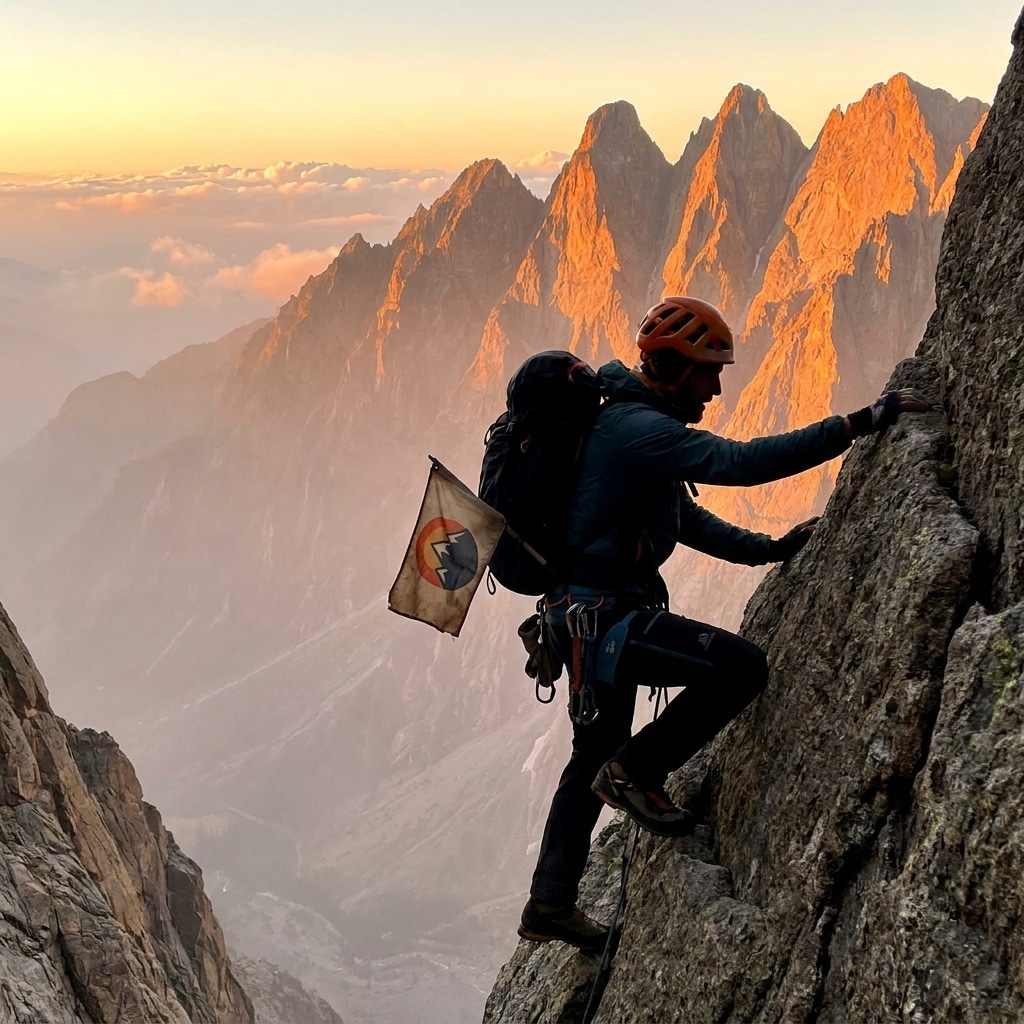
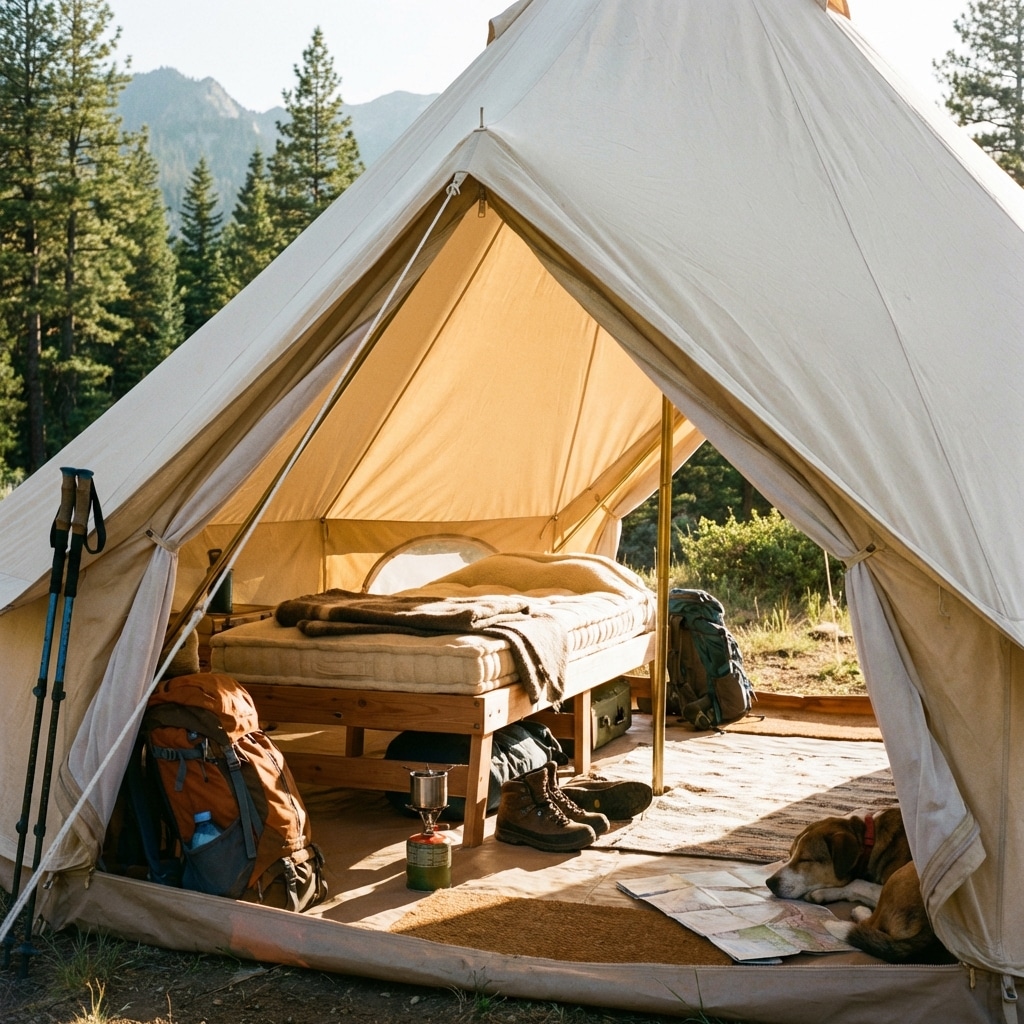
The call of the wild is undeniable. Crisp mountain air, the rustle of leaves, the scent of pine – there’s nothing quite like escaping the everyday to explore nature’s grandeur. But to truly immerse yourself in the great outdoors, you need a reliable sanctuary, a home away from home that stands strong against the elements and keeps you comfortable. This is where your camping tent comes in, serving as the cornerstone of every successful outdoor adventure.
Whether you’re embarking on a challenging hiking expedition, a family-friendly glamping trip, or a tranquil solo retreat, choosing the right camping tent isn’t just about finding shelter; it’s about investing in comfort, safety, and the overall quality of your experience. A well-chosen tent can turn a good trip into an unforgettable one.
Why Your Camping Experience Hinges on a Quality Tent
Think of a quality camping tent not as an expense, but as an investment in countless memorable trips. It’s more than just fabric and poles; it’s your personal haven that protects you from the unpredictable nature of the wilderness.
Unmatched Comfort & Peace of Mind
After a long day of hiking, fishing, or exploring, your tent should be a welcoming retreat. A well-designed tent provides ample space to relax, sleep soundly, and recharge. It shields you from harsh winds, torrential rain, and curious wildlife, giving you the peace of mind to truly unwind and enjoy your surroundings.
Built to Last: Superior Durability
A robust camping tent is engineered with high-grade materials and sturdy construction. This means it can withstand repeated use, diverse weather conditions, and the rigors of the trail. Investing in a durable tent saves you money in the long run by avoiding frequent replacements or costly repairs, ensuring it serves you faithfully season after season.
Elevating Every Outdoor Adventure
From cozy warmth on a chilly night to refreshing ventilation on a hot afternoon, a quality tent enhances every aspect of your camping trip. It allows you to focus on the beauty of nature and the joy of companionship, rather than battling a leaky roof or struggling with a flimsy structure. Your tent becomes a reliable partner in your quest for outdoor enjoyment.
Essential Factors for Choosing Your Perfect Camping Tent
With an abundance of options available, selecting the ideal camping tent can seem daunting. By focusing on a few key considerations, you can narrow down your choices and find a tent that perfectly matches your camping style and needs.
Size and Capacity: Finding Your Fit
How many people will be sleeping in the tent? Tent capacities are typically rated by the number of occupants. Remember that these ratings often refer to sleeping snugly. If you desire extra room for gear, pets, or simply more comfort, consider sizing up. A family of four might prefer a 6-person tent, while a solo backpacker will value the lightness of a 1-person tent.
Master the Elements: Weather Resistance
Your tent must be able to stand up to the weather conditions you expect to encounter. Look for tents with a high waterproof rating (often measured in hydrostatic head), strong, aerodynamic designs for wind stability, and robust zippers. Consider if you need a 3-season tent (suitable for spring, summer, and fall) or a more heavy-duty 4-season tent designed for extreme cold and heavy snow.
Material Matters: Durability & Protection
The fabric of your tent plays a crucial role in its durability and protection. Common materials include polyester and nylon, often treated with coatings like polyurethane (PU) or silicone for water resistance. Look for strong, lightweight poles (aluminum is excellent) and reinforced seams to ensure your tent can withstand the elements and regular use.
Breathability & Ventilation
Proper ventilation prevents condensation buildup inside your tent, keeping the interior dry and fresh. Features like mesh panels, vents, and multiple doors promote airflow. This is especially important in humid conditions or for tents that will house several people, ensuring a comfortable sleeping environment.
Ease of Setup: Pitching Your Temporary Home
No one wants to struggle with a complicated tent setup after a long journey. Look for tents with intuitive designs, color-coded poles, and clear instructions. If you’re often camping solo or arriving at your site in the dark, a quick-pitch or pop-up tent might be an ideal choice.
Weight & Portability: On the Move
Your tent’s packed size and weight are critical, particularly for backpacking and hiking trips where every ounce counts. Car campers have more leeway, but even then, a compact tent is easier to store and transport. Always check the packed dimensions and weight against your travel plans.
Discover the Diverse World of Camping Tents
Camping tents come in a variety of shapes and sizes, each offering unique benefits for different types of outdoor adventures. Understanding these distinctions will help you pinpoint the best option for your specific needs.
Dome Tents: The Versatile Favorite
Dome tents are incredibly popular due to their excellent balance of space, stability, and relatively easy setup. Their classic design typically involves two flexible poles that cross at the top, creating a stable, freestanding structure. They offer good wind resistance and are ideal for recreational camping, couples, or small families.
Tunnel Tents: Spacious & Family-Friendly
As their name suggests, tunnel tents feature a series of flexible poles that create a long, tunnel-like structure. They excel in providing ample headroom and living space, often incorporating multiple sleeping compartments. This design makes them a top choice for families, larger groups, or car campers seeking maximum comfort.
Cabin Tents: Your Home Away From Home
Cabin tents feature near-vertical walls and a high ceiling, maximizing interior space and allowing campers to stand upright comfortably. While generally heavier and less wind-resistant, their roomy, house-like structure is perfect for longer stays, glamping, or large families who prioritize space and home-like amenities.
Backpacking Tents: Lightweight & Compact
Designed for hikers and mountaineers, backpacking tents prioritize minimal weight and packed size. They are often smaller, use lightweight materials, and are built to withstand rugged conditions while being easy to carry long distances. These tents are engineered for efficiency and performance in remote environments.
Teepee Tents: Classic Charm & Open Space
Inspired by traditional indigenous dwellings, teepee tents typically use a single central pole to create a tall, conical shape. They are known for their spacious interiors, excellent ventilation, and often feature stove jacks for winter camping. Their unique aesthetic and ease of pitching make them a standout choice for groups or unique glamping experiences.
Pop-Up Tents: Instant Shelter, Zero Fuss
For those who prioritize speed and convenience, pop-up tents are a game-changer. They feature pre-attached poles that spring into shape almost instantly, requiring minimal effort to set up. While generally less robust for extreme weather, they are perfect for festivals, casual overnight trips, or as a quick sun shelter.
Expert Tips for Tent Setup & Longevity
Once you’ve chosen your perfect camping tent, a few simple practices can ensure a smooth setup and extend its lifespan for years to come.
Mastering the Pitch: Setup Essentials
Choose Your Site Wisely: Look for flat ground, clear of sharp rocks or debris. Avoid depressions where water might pool.
Orient Correctly: Position your tent to take advantage of natural shade and protect against prevailing winds.
Assemble Poles Carefully: Avoid snapping poles together; guide them to prevent damage to the shock cord.
Stake it Down Securely: Use all guy lines and stakes to ensure stability, especially in windy conditions.
Attach the Rainfly: Always use the rainfly for maximum weather protection, even if you don’t anticipate rain.
Extend Your Tent’s Life: Care & Maintenance
Clean Regularly: Wipe down your tent after each trip to remove dirt, dust, and sap.
Dry Thoroughly: Always ensure your tent is completely dry before packing it away to prevent mildew and odors.
Store Properly: Store your tent loosely in a breathable bag in a cool, dry place. Avoid compressing it tightly for long periods.
Repair Promptly: Address small tears or broken poles immediately to prevent further damage.
Use a Footprint: A ground tarp (or footprint) protects the tent floor from abrasion and adds an extra layer of moisture protection.
Your Next Outdoor Adventure Awaits!
Choosing the best tents for camping is a pivotal step in planning any outdoor excursion. By prioritizing factors like capacity, weather resistance, durability, and ease of use, you can confidently select a shelter that will enhance your comfort and safety. Whether you opt for a sturdy dome tent, a spacious tunnel tent, or a lightweight backpacking model, your investment in quality will pay dividends in unforgettable experiences under the stars.
Take the time to research, compare, and ultimately choose the tent that resonates with your adventurous spirit. With the right gear, every journey into nature becomes an opportunity for connection, discovery, and rejuvenation. Happy camping!