Dreaming of soaring through the canopy, experiencing the world from a new perspective? Tree climbing offers an exhilarating escape, but the key to a safe and enjoyable adventure lies in one crucial piece of gear: the tree climbing harness.

More than just a seat, a high-quality tree climbing harness is your lifeline, providing essential support, comfort, and the necessary attachment points to navigate the arboreal world with confidence. Choosing the right one is paramount for both novice enthusiasts and seasoned arborists.
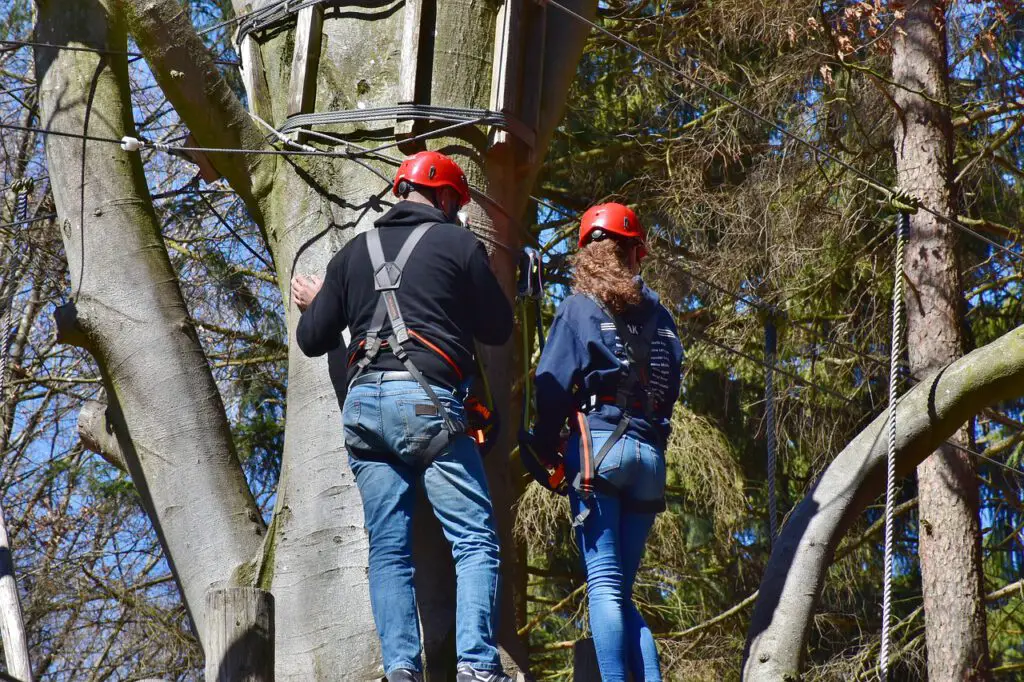
What Exactly is a Tree Climbing Harness?
A tree climbing harness is specialized personal protective equipment (PPE) designed to safely support a climber’s weight while ascending, descending, or working within trees. Unlike general purpose harnesses, these are engineered for the unique demands of tree work and recreational tree climbing.
They typically feature robust construction, ample padding for comfort during prolonged suspension, and multiple attachment points for ropes, tools, and positioning lanyards. The right tree harness allows for freedom of movement while ensuring maximum security.
Tree Climbing Harness vs. Rock Climbing Harness: Why Specialization Matters
While both are called “climbing harnesses,” the design philosophies behind tree climbing harnesses and rock climbing harnesses are fundamentally different. Understanding these distinctions is crucial for safety and performance.
Rock Climbing Harness Features
Rock climbing harnesses are typically lighter, more minimalist, and designed for dynamic impact loads from falls. They prioritize freedom of movement for technical maneuvers and usually have fewer, simpler gear loops.
Their padding is often sufficient for short hangs but not engineered for extended periods of suspension. They lack the extensive features needed for complex work positioning within a tree’s canopy.
Tree Climbing Harness Features
A tree climbing harness, or arborist harness, is built for endurance and static support during long periods of suspension. Key features include a built-in suspension system, often a ‘bridge’ or ‘ring,’ that allows for precise weight distribution and comfort.
They offer numerous reinforced attachment points (D-rings, gear loops) for a wide array of tools like saws, carabiners, and ascenders. The robust design and ample padding ensure comfort, even during hours of work or recreation high above the ground.
Types of Tree Climbing Harnesses
To cater to different climbing styles and tasks, tree climbing harnesses generally fall into three categories:
1. Ascending Harnesses
Designed primarily for getting up the tree efficiently, these harnesses are often lighter and more streamlined. They focus on minimizing bulk while providing secure attachment points for ascent devices and rope systems.
2. Descending Harnesses
Heavier and more padded, a descending harness is built for comfort during controlled descents and sustained work positioning. They typically feature a more elaborate suspension system to distribute weight evenly and reduce pressure points.
3. Combination Harnesses
The most versatile option, a combination harness blends features from both ascending and descending models. It strikes a balance between weight, comfort, and attachment points, making it suitable for a wide range of tree climbing activities.
If you’re unsure of your primary use, a quality combination harness often provides the best all-around solution for both recreational climbers and professional arborists.
How to Choose Your Ideal Tree Climbing Harness
Selecting the perfect tree climbing harness involves considering several critical factors beyond just the type of climbing you’ll be doing. Your comfort, safety, and efficiency depend on a thoughtful choice.
Prioritize Safety & Certifications
Always look for harnesses that meet recognized safety standards. Certifications like CE EN 358 (work positioning and restraint) and CE EN 813 (sit harnesses for rescue) are indicators of rigorous testing and quality.
Unmatched Comfort and Fit
A comfortable harness is essential, especially for extended periods in the tree. Look for ample padding on the waist belt and leg loops, breathable materials, and a design that allows for natural movement.
The harness should fit snugly but not restrictively. Adjustable straps on the waist and leg loops are crucial for a customized fit that can accommodate different clothing layers and body shapes.
Essential Features to Look For
- Adjustable Straps: Ensure a secure and comfortable fit across various body types.
- Multiple Attachment Points: D-rings, gear loops, and accessory points for tools, lanyards, and ropes.
- Integrated Suspension System: A central ring or bridge that allows for optimal weight distribution and comfort during long hangs.
- Robust Buckles & Connectors: Easy to operate, secure, and built for durability.
- Weight Capacity: Always check the manufacturer’s specified weight limit, typically around 300 lbs for most models.
Investment Guide: What Does a Tree Climbing Harness Cost?
The cost of a tree climbing harness can vary significantly based on brand, features, certifications, and materials. You can expect to find good quality harnesses ranging from $100 to $400, with professional-grade models sometimes exceeding this.
While more affordable options exist, remember that your harness is a critical safety device. Investing in a higher-quality model often translates to better materials, enhanced comfort, and superior safety features designed for longevity and performance.
How Long Do Tree Climbing Harnesses Last?
The lifespan of a tree climbing harness is influenced by several factors: frequency of use, environmental exposure (UV light, moisture), proper storage, and the quality of maintenance. Generally, a well-maintained, good-quality harness can last between 5 to 10 years.
However, this is just a guideline. Any sign of damage, excessive wear, or exposure to harsh chemicals significantly shortens its life. Always prioritize safety over extending the life of old equipment.
Sizing Your Tree Climbing Harness for Optimal Fit
Getting the correct size tree climbing harness is crucial for both safety and comfort. A harness that’s too loose can slip, while one that’s too tight can restrict movement and circulation.
Always consult the manufacturer’s sizing chart, which typically correlates waist and thigh measurements to harness sizes. When trying on a harness, ensure you can comfortably fit two fingers under the waist belt and leg loops, and that all buckles can be fully tightened.
Your Pre-Climb Safety Check: Inspecting Your Harness
Before every single climb, a thorough safety check of your tree climbing harness is non-negotiable. This routine inspection helps identify any issues that could compromise your safety.
Step-by-Step Harness Inspection:
- Webbing & Stitching: Look for any cuts, abrasions, fraying, pulled threads, or unusual wear patterns. Pay close attention to load-bearing areas and attachment points.
- Buckles & Hardware: Ensure all buckles, D-rings, and metal components are free of cracks, corrosion, deformation, or sharp edges. Test that all buckles engage and disengage smoothly and securely.
- Tie-in Points: Inspect the primary tie-in points for excessive wear or damage, as these areas experience the most friction.
- Leg Loops & Waist Belt: Check the padding for compression or tears, and confirm all adjustment straps are fully functional.
- Suspension Bridge: If your harness has a suspension bridge, inspect it thoroughly for any signs of wear, cuts, or deterioration.
If you find any damage or suspect a weakness, immediately retire the harness. When in doubt, it’s always safer to replace.
When Should You Throw Away Your Tree Climbing Harness?
Your tree climbing harness is a piece of safety equipment, and it’s vital to know when to retire it. Discard your harness immediately if it shows any signs of significant damage, such as deep cuts, excessive abrasion, melted fibers, or compromised stitching.
Harnesses that have been exposed to chemicals, extreme heat, or a major fall should also be retired, even if damage isn’t immediately visible. Adhere to the manufacturer’s recommended lifespan, and if you have any doubts about its integrity, always err on the side of caution and replace it.
Conclusion: Climb Safely, Climb Confidently
A tree climbing harness is more than just gear; it’s an investment in your safety and enjoyment. By understanding the different types, knowing what features to prioritize, and committing to regular inspections, you can ensure your arboreal adventures are both thrilling and secure.
Choose wisely, maintain diligently, and get ready to experience the world from a whole new elevation with the right tree climbing harness.