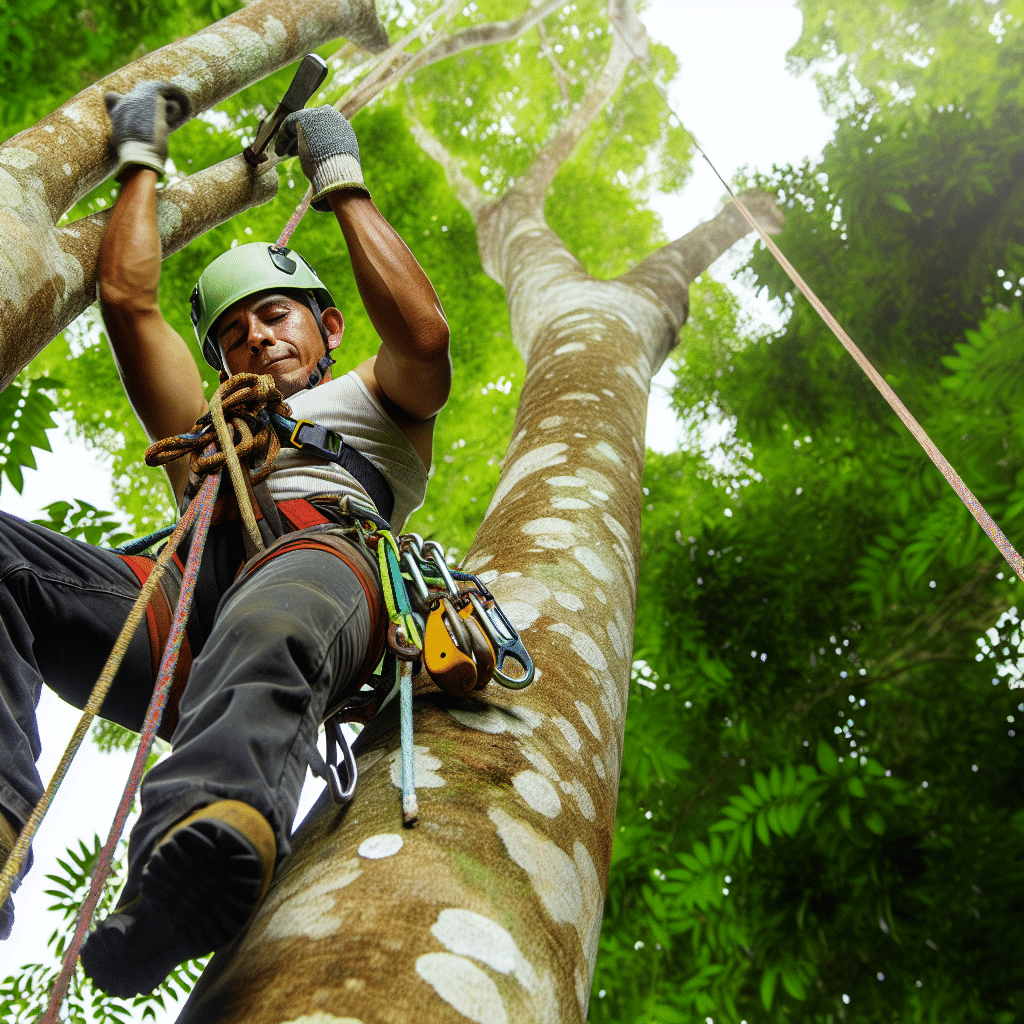
Tree climbing is more than just a nostalgic childhood adventure; it’s a critical skill for outdoor enthusiasts, professional arborists, and even emergency responders. Whether you’re aiming to explore the canopy of your backyard oak or embarking on a career in tree care, mastering proper tree climbing techniques is paramount. This comprehensive guide will equip you with the knowledge, gear insights, and step-by-step methods to ascend and descend trees safely and efficiently, transforming your approach to the arboreal world.
Why Master Tree Climbing Techniques?
You might wonder if specific techniques are truly necessary for scaling a tree. While it might seem intuitive, effective and safe tree climbing involves a sophisticated blend of skill, physical strength, and specialized knowledge. Understanding these nuances protects both you and the tree itself.
Prioritizing Safety & Mitigating Risks
The most compelling reason to learn proper tree climbing techniques is safety. Falls from even moderate heights can lead to severe injuries or worse. By adopting correct methods and utilizing appropriate safety gear, you drastically reduce the risk of accidents, ensuring every climb is a secure one.
Maximizing Efficiency & Preserving Tree Health
Beyond personal safety, mastering climbing techniques allows for greater efficiency. You’ll ascend faster and expend less energy, making longer climbs more manageable. Proper techniques also minimize damage to the tree’s bark, branches, and overall structure, promoting its long-term health and vitality.
Professional and Recreational Applications
From professional arborists maintaining urban trees to foresters conducting canopy research, advanced climbing skills are indispensable. Even recreational climbers benefit from these techniques, enabling safer exploration and deeper appreciation of the natural world. It transforms a casual ascent into a calculated, rewarding experience.
Essential Gear for Safe Ascents
Before attempting any ascent, equipping yourself with the right gear is non-negotiable. Quality equipment is your first line of defense and enables the execution of proper tree climbing techniques. Never compromise on gear quality or maintenance.
Climbing Ropes: Your Lifeline
A sturdy, dynamic climbing rope is your primary safety component. Choose a rope specifically designed for climbing, with a diameter that offers a secure grip but isn’t too cumbersome. Regular inspection for wear and tear is crucial for maintaining its integrity.
Harnesses & Helmets: Personal Protection
A climbing harness distributes your weight evenly, providing comfortable and secure attachment points for your rope and other equipment. Always wear a helmet to protect your head from falling debris, accidental bumps against branches, or impacts in case of a fall.
Carabiners, Ascenders & Descenders
Carabiners: These essential connectors securely attach your rope to your harness and other vital gear. Always use locking carabiners for critical connections.
Ascenders: Devices that allow you to slide upward on the rope while gripping firmly when weighted, preventing backward slippage. They are key for efficient climbing.
Descenders: Specialized devices that create friction to control your descent, allowing for a smooth and controlled return to the ground.
Throwlines & Bags
A lightweight throwline with an attached throwbag is indispensable for safely placing your climbing rope over high, sturdy branches. This setup minimizes effort and maximizes accuracy, especially when setting up for Single Rope Technique (SRT) climbing.
Before You Climb: The Pre-Climb Checklist
Preparation is key to a safe and successful climb. Adhering to a thorough pre-climb checklist minimizes unforeseen risks and ensures you’re ready for the ascent. This proactive approach is fundamental to advanced tree climbing techniques.
Tree Assessment
Carefully select your tree. Look for a healthy, structurally sound specimen free from dead or broken branches, significant rot, or disease. Assess the tree’s overall integrity and identify sturdy anchor points for your climbing line before you even begin.
Weather Check
Always check local weather forecasts. Avoid climbing in adverse conditions like strong winds, rain, lightning, or extreme temperatures. Wet conditions can make bark slippery and compromise your grip, significantly increasing risk.
Gear Inspection
Before every climb, meticulously inspect all your equipment. Check ropes for fraying, harnesses for tears, and carabiners for proper locking mechanisms. Ensure all knots are tied correctly and securely before you commit your weight to the system.
Mastering Core Tree Climbing Techniques
With your gear prepared and your tree assessed, it’s time to delve into the fundamental techniques that will carry you skyward. Each method offers distinct advantages, catering to different climbing scenarios and skill levels.
The Body-Thrust Technique: Your First Steps
The body-thrust technique is a foundational method, often taught to beginners for its intuitive motion and mechanical advantage. It’s effective for getting started on thicker trunks and requires a sturdy branch for the initial line setup.
Set Your Line: Accurately throw your climbing line over a sturdy, accessible branch, ensuring it’s firmly anchored and free from snags.
Attach Your System: Secure your harness to the climbing rope using a friction hitch (like a Prusik) or a mechanical ascender. Position the ascender higher up the rope.
Push Off with Legs: Using your feet to push against the tree’s trunk or lower branches, thrust your body upward.
Advance the Ascender: As you gain height, slide your friction hitch or mechanical ascender up the rope, ensuring it locks into place to prevent any slipping. Repeat the process.
Double Rope Technique (DRT): The Arborist’s Workhorse
The Double Rope Technique (DRT), also known as moving rope system (MRS), is a widely used method among arborists. It offers excellent control and versatility, making it ideal for maneuvering within the canopy for pruning or inspections.
Anchor Your Rope: Throw your rope over a sturdy limb, ensuring both ends reach the ground. Then, tie a secure friction hitch (like a Blake’s hitch or taut-line hitch) to create a closed system.
Form a Loop: The friction hitch creates a loop on the rope that you can manipulate.
Attach Your Harness: Connect your climbing harness to this loop using a sturdy carabiner or directly to the hitch.
Pull & Advance: While one hand pulls on the working end of the rope to lift your body, the other hand slides the friction hitch upward. This creates tension and lifts you higher with each pull, allowing for smooth, controlled ascent and descent.
Single Rope Technique (SRT): Efficiency for Experts
For more advanced climbers and professional tree care, the Single Rope Technique (SRT) offers unparalleled efficiency, especially for ascending tall trees or when working in complex canopies. This method relies on specialized mechanical advantage.
Precise Line Setting: Use a throwline to accurately set your single climbing rope over a high, strong anchor point. Secure the rope end to the base of the tree or an equally robust ground anchor.
Utilize Ascenders & Foot Loops: Attach two mechanical ascenders to the rope – one connected to your harness and another to a foot loop.
Ascend with Leg Power: By standing up in the foot loop, you push the upper ascender up the rope. Then, while seated in your harness, you slide the foot ascender up. This allows for a powerful and less strenuous ascent without needing to push against the tree itself.
Progression & Descending: SRT systems often integrate self-braking descender devices, offering superior control and smooth transition for descending after reaching your desired height.
The Art of Safe Descent
Reaching your desired height is only half the journey; a controlled and safe descent is equally critical. Mastering various descent methods ensures you return to the ground without incident, preserving both your safety and the tree’s well-being.
Controlled Lowering with Friction Hitches (Prusik Knot)
Friction hitches, like the Prusik knot, are invaluable for controlled descents. They allow you to safely lower yourself by managing the friction between the knot and the rope.
Tie a Prusik Knot: Attach a Prusik knot (or another suitable friction hitch) to your main climbing line below your primary attachment point. This knot will slide up when unweighted but lock securely when your weight is applied.
Gradual Release: With one hand on the rope for control, gently loosen the Prusik knot with your other hand. This allows the rope to slide through, enabling a slow, controlled descent.
Maintain Grip: Always keep a firm, two-handed grip on the rope and hitch during the descent. Practice makes perfect for smooth and steady lowering.
Using a Descender Device: Smooth & Swift
For more experienced climbers, specialized descender devices offer a smoother and often faster descent. These tools are designed for optimal friction management and require specific training for safe operation.
Common devices include figure-8s, ATC guides, and various self-braking descenders. Always ensure your device is properly rigged and that you understand its specific mechanics before relying on it for descent. Maintain a controlled pace to avoid overheating the rope or losing control.
Conclusion: Embrace the Canopy, Climb Smart
Climbing trees offers an unparalleled connection to nature and a unique perspective, whether for adventure or professional duty. Mastering proper tree climbing techniques is the cornerstone of this experience, safeguarding not only your well-being but also the health and longevity of the trees you explore.
By investing in quality gear, diligently practicing techniques like the Body-Thrust, DRT, and SRT, and prioritizing safety with every step, you’ll navigate the canopy with confidence and competence. So gear up, stay vigilant, and elevate your climbing adventures responsibly. Happy climbing!