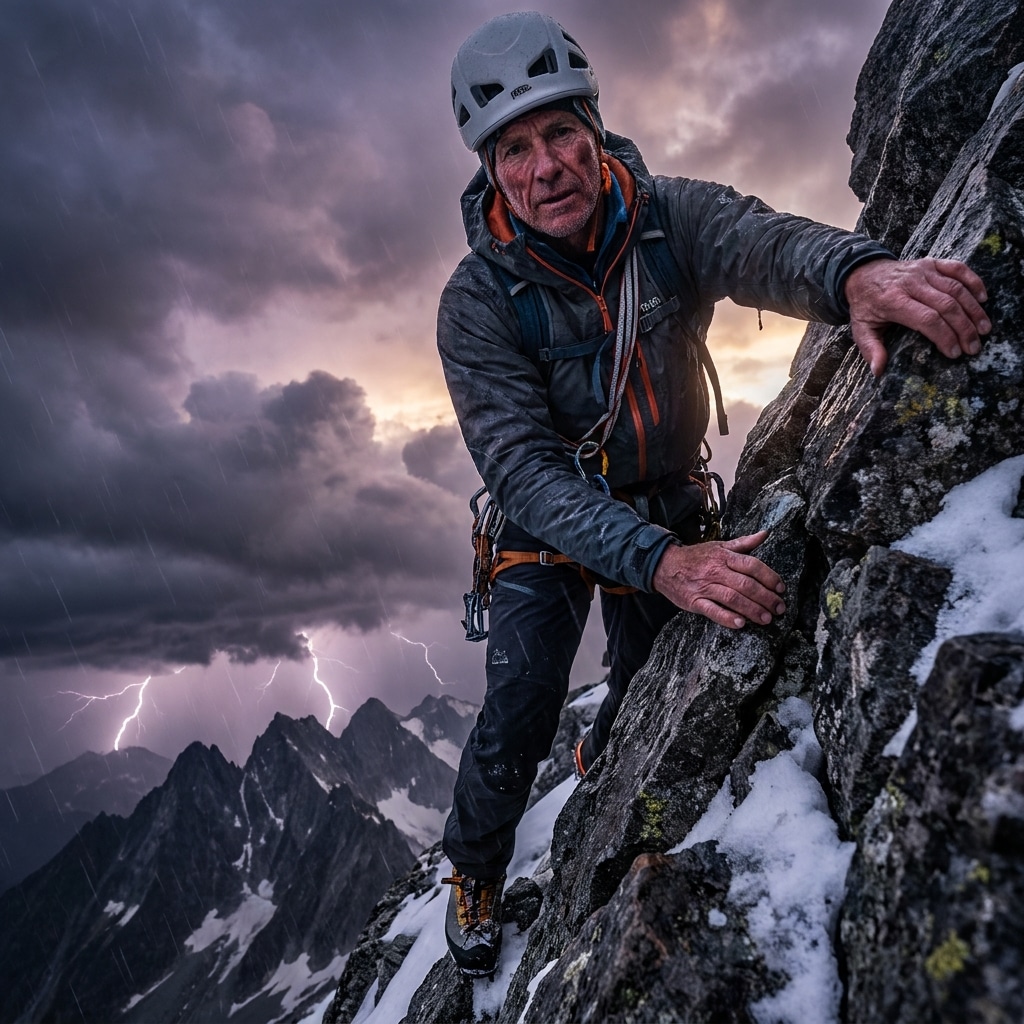
Dreaming of conquering challenging trails, exploring breathtaking landscapes, or simply enjoying a comfortable stroll through nature? Whether you’re a seasoned thru-hiker or just lacing up your boots for the first time, one piece of gear consistently stands out for its ability to transform your trekking experience: trekking poles. Often overlooked, these trusty companions are much more than just walking sticks; they’re essential tools for safety, stability, and endurance.
This comprehensive guide will dive deep into the world of trekking poles, exploring their incredible benefits, the different types available, and how to choose the perfect pair to elevate your next adventure. Get ready to hike smarter, feel stronger, and explore further.
What Exactly Are Trekking Poles?
Trekking poles, also known as hiking poles or sometimes “trekking bars,” are specially designed supports used by hikers and backpackers. Their primary purpose is to provide stability, reduce physical strain, and enhance overall trekking performance across diverse terrains. Think of them as extensions of your limbs, offering four points of contact with the ground instead of two.
Crafted from lightweight yet durable materials like aluminum or carbon fiber, these poles are designed to be easily carried without adding significant bulk to your pack. They’re engineered to withstand rigorous use while offering ergonomic comfort for miles on the trail.
Why Trekking Poles Are Your Trail Game-Changer
Integrating trekking poles into your hiking routine offers a multitude of advantages that can significantly improve your comfort, safety, and performance. Here’s why they’re considered indispensable by experienced outdoor enthusiasts.
Superior Stability and Balance
Navigating uneven terrain, crossing slippery streams, or tackling rocky ascents and descents can be tricky. Trekking poles provide two extra points of contact with the ground, drastically improving your balance and stability. This extra support helps prevent slips and falls, making your journey safer and more confident.
They act like an instant tripod, distributing your body weight more evenly across challenging surfaces. This is especially crucial when carrying a heavy backpack, helping you maintain equilibrium and reduce the risk of injury.
Significant Reduction in Physical Strain
One of the most celebrated benefits of trekking poles is their ability to reduce the impact on your lower body joints. By engaging your arms and upper body, poles help transfer some of the load from your knees, ankles, and hips. This is particularly beneficial during steep descents, where impact forces on the knee can be up to eight times your body weight.
Distributing this effort alleviates pressure, mitigating common hiking aches and pains. You’ll notice less fatigue in your legs and a quicker recovery time after long treks.
Boosted Endurance and Efficiency
By engaging your arm, shoulder, and core muscles, trekking poles transform hiking into a full-body workout. This balanced muscle engagement helps spread out the physical effort, allowing you to maintain a consistent pace for longer durations. Ultimately, you’ll hike further with less overall fatigue.
Proper pole use also encourages better posture, opening up your chest and improving breathing efficiency. This means more oxygen for your muscles, further enhancing your endurance on the trail.
Versatile Trail Tool
Beyond their primary function, trekking poles offer surprising versatility. They can be used to test the depth of puddles or snow, push aside overgrown brush, or even act as emergency splints. Some ultralight shelters and tents are also designed to be pitched using trekking poles, saving you the weight of dedicated tent poles.
Types of Trekking Poles: Finding Your Match
Trekking poles come in several designs, each with unique advantages tailored to different hiking styles and preferences. Understanding these types will help you choose the best poles for your adventures.
Telescoping Trekking Poles
Telescoping poles are the most common type, featuring two or three sections that collapse into each other. This adjustability allows hikers to customize their height based on terrain (shorter for ascents, longer for descents) and individual height. They are versatile, durable, and suitable for a wide range of activities from day hikes to multi-day backpacking trips.
Folding Trekking Poles (Z-Poles)
Folding poles, often called Z-poles due to their folded shape, break down into several smaller, rigid sections connected by an internal cord. They are renowned for their compact packed size and lighter weight, making them ideal for trail runners, fastpackers, and travelers with limited luggage space. While highly portable, they typically offer less adjustability than telescoping poles.
Fixed-Length Trekking Poles
As the name suggests, fixed-length poles do not offer any adjustability. They are typically lighter and more robust than adjustable poles, as they lack moving parts. These poles are often favored by trail runners and ultralight hikers who prioritize minimal weight and maximum durability for specific, consistent terrain.
Choosing Your Perfect Trekking Poles: Key Considerations
Selecting the right pair of trekking poles involves weighing several factors that impact performance, comfort, and durability. Here’s what to look for when making your choice.
Material: Aluminum vs. Carbon Fiber
Aluminum: Known for its exceptional durability and affordability, aluminum poles are a favorite among many hikers. They are robust and tend to bend rather than snap under extreme pressure, making them reliable workhorses.
Carbon Fiber: These poles are significantly lighter and excel at absorbing vibrations, reducing arm fatigue. However, they come at a higher price point and are more prone to snapping (rather than bending) under sudden, sharp impacts.
Grip Material for Comfort and Control
Cork Grips: Highly favored for their ability to wick away sweat and mold to your hand over time, cork offers excellent comfort, especially on long, hot treks. They also provide good insulation in colder conditions.
Foam Grips: Lightweight and comfortable, foam grips absorb sweat and provide good insulation. They offer a soft, cushioned feel and are often found on lighter-weight poles.
Rubber Grips: Durable and great for wet conditions, rubber grips offer a firm hold. However, they can sometimes cause blistering on long hikes and may not be as comfortable as cork or foam.
Locking Mechanism: Reliability is Key
The locking mechanism ensures your poles stay at the desired length. Reliability is crucial; a slipping pole is a hazard.
Lever Locks (External Flip Locks): These are generally considered the most secure and easiest to adjust, even with gloves on. They are quick to operate and provide a strong hold.
Twist Locks (Internal Twist Locks): While more compact, twist locks can sometimes be harder to operate in cold or wet conditions and may slip if not tightened sufficiently.
Push-Button Locks: Primarily found on folding poles, these simple mechanisms lock sections into place with a button. They are quick and reliable but offer limited adjustability.
Weight: Finding the Right Balance
Lighter poles reduce arm fatigue and make a noticeable difference over long distances. However, ultralight poles often come with a trade-off in durability and price. Consider your typical terrain and pack weight. For casual day hikes, a slightly heavier, more durable pole might be fine, but for thru-hiking, every gram counts.
Strap Design and Use
Adjustable wrist straps are vital for proper pole technique and comfort. They allow you to hold the poles more loosely, reducing grip fatigue and transferring power more efficiently. Ensure the straps are comfortable and easily adjustable to prevent chafing and provide secure support.