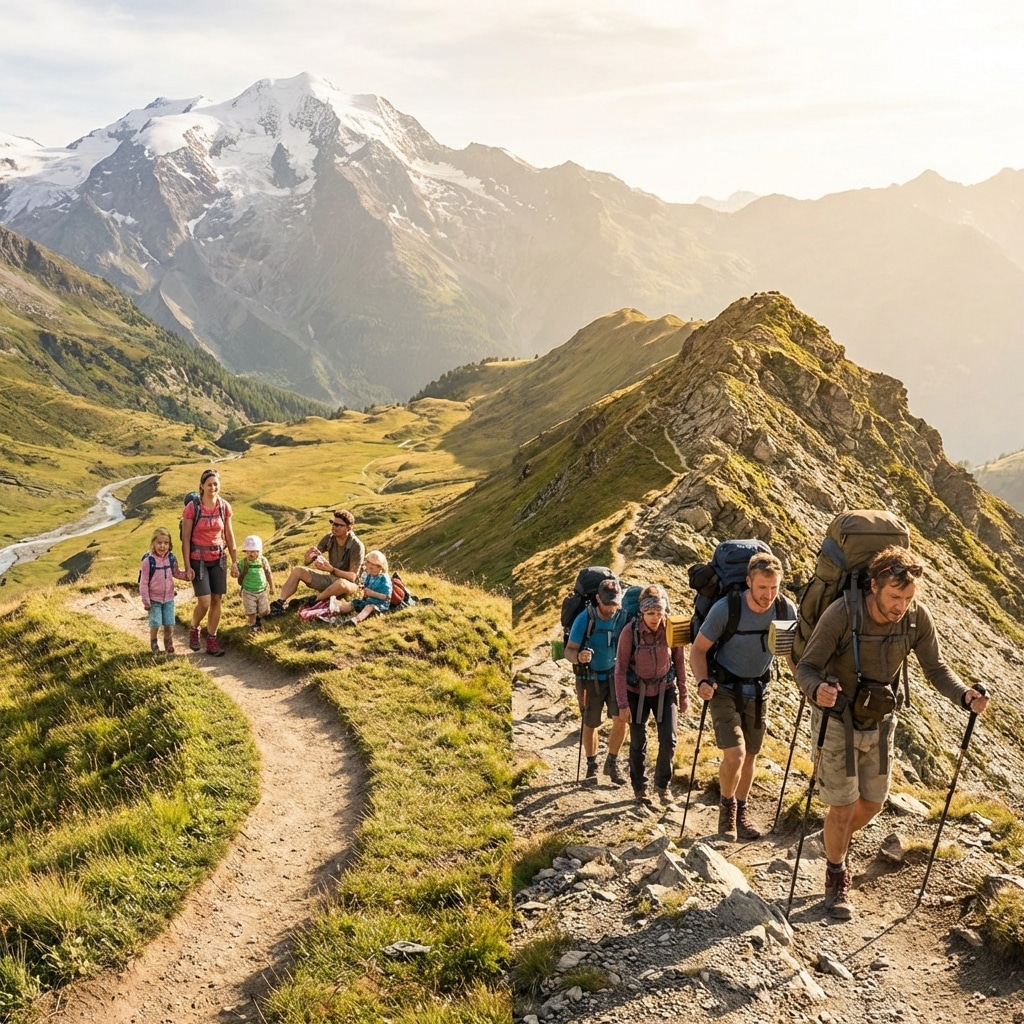
Imagine embarking on an epic trail, every ounce in your pack meticulously chosen, every piece of gear serving a dual purpose. For adventurers striving for ultralight freedom without compromising on reliable shelter, the traditional tent often presents a heavy dilemma. What if your essential hiking tools could also be the backbone of your camp?
Enter the trekking pole tent: an innovative shelter solution rapidly becoming the go-to choice for minimalist backpackers, thru-hikers, and anyone looking to shed significant weight from their load. These ingenious tents transform your trekking poles from trail aids into critical structural components, revolutionizing the way you think about backcountry shelter.
What Exactly Are Trekking Pole Tents?
At their core, trekking pole tents are lightweight, compact shelters designed to utilize your existing trekking poles as their main support structure. Unlike traditional tents that come with dedicated aluminum or fiberglass poles, these shelters rely on the adjustable height and sturdy nature of your hiking poles. This clever design philosophy embodies efficiency and weight savings.
The concept is simple: your trekking poles, which already assist with stability and propulsion on the trail, become the literal “tent poles” at camp. This dual-use functionality not only reduces the total gear you carry but also streamlines your packing list significantly. It’s a testament to minimalist design, proving that less truly can be more in the backcountry.
Why Make the Switch? Key Advantages of Trekking Pole Tents
For those who prioritize efficiency and a lighter pack, trekking pole tents offer a compelling array of benefits that traditional shelters simply can’t match. They represent a paradigm shift in outdoor gear, focused on enhancing your overall trail experience.
Ultralight Freedom
The most celebrated advantage of a trekking pole tent is its incredibly low trail weight. By eliminating dedicated tent poles, manufacturers significantly reduce the overall bulk and mass of the shelter. This translates directly to less fatigue on long hikes, allowing you to cover more ground or simply enjoy your journey more thoroughly.
Streamlined Setup & Pack-Up
With fewer components to manage, setting up a trekking pole tent is often a quicker and more intuitive process. You simply stake out the corners, adjust your trekking poles to the required height, and insert them into designated grommets or sleeves. This efficiency is especially appreciated after a long day of hiking or when unexpected weather rolls in.
Unmatched Versatility
Trekking pole tents offer impressive adaptability to varying weather conditions and terrain. The adjustable nature of your trekking poles allows you to fine-tune the tent’s pitch, lowering its profile for superior wind resistance or raising it for optimal ventilation on warmer nights. This flexibility ensures greater comfort and safety in diverse environments.
Cost-Effectiveness
Since you already own and carry trekking poles for hiking, investing in a trekking pole tent means you don’t need to purchase separate, often expensive, tent poles. This dual-purpose design can lead to significant cost savings on your overall camping gear budget. It’s an economical choice for adventurers seeking high-performance without redundant equipment.
Are Trekking Pole Tents the Right Shelter for Your Adventure?
While the benefits are clear, deciding if a trekking pole tent is right for you involves considering your specific hiking style and priorities. These shelters are not a one-size-fits-all solution, but they excel in particular scenarios. Understanding their nuances will help you make an informed decision.
Who Benefits Most?
Ultralight Backpackers & Thru-Hikers: The weight savings are paramount for covering long distances with minimal effort.
Minimalist Campers: Those who appreciate simplicity and multi-use gear will find these tents align perfectly with their philosophy.
Trekkers Already Using Poles: If trekking poles are already an essential part of your hiking kit, this tent style leverages existing gear.
Backcountry Adventurers: Ideal for anyone who values agility and wants to move fast and light through varied terrains.
Potential Considerations
Requires Trekking Poles: Crucially, you must carry trekking poles; without them, your shelter has no structure.
Learning Curve: Pitching can sometimes take a few tries to master, especially in adverse weather, compared to a freestanding tent.
Non-Freestanding Design: Most trekking pole tents require stakes and guy lines to stand, limiting pitching options on rocky or hard surfaces.
Interior Space & Structure: While designs vary, some models may offer less interior volume or vertical walls than traditional tents, which can impact livability for some users.
Choosing Your Ideal Trekking Pole Tent: What to Look For
Selecting the perfect trekking pole tent involves balancing various factors to match your specific needs on the trail. Here’s what to consider when evaluating different models, ensuring you invest in a shelter that truly enhances your outdoor experience.
Weight vs. Durability
The holy grail of ultralight gear is finding the sweet spot between minimal weight and robust durability. Tents made with advanced fabrics like Dyneema Composite Fabric (DCF) offer incredible strength-to-weight ratios but come at a higher cost. Silnylon or silpoly tents are more affordable and durable, though slightly heavier.
Space & Livability
Consider the interior dimensions, peak height, and vestibule space. While ultralight, some models maximize interior volume and offer ample room for sleeping and gear storage. Read reviews to understand real-world comfort, especially during prolonged bad weather.
Pitching Style & Weather Resistance
Look for tents with intuitive pitching methods and robust storm-worthiness. Consider if you prefer a single-wall design (lighter, faster pitch) or a double-wall (better condensation management, more protection). Waterproof ratings and seam sealing are crucial for staying dry in the wild.
Popular Models & Design Philosophies
While product lines evolve rapidly, certain models have set benchmarks in the trekking pole tent category. These examples illustrate the diverse approaches to ultralight shelter design:
Zpacks Duplex: Often lauded as an ultralight icon, this tent exemplifies the Dyneema single-wall design, offering incredible weight savings (around 19-21 oz for a 2P) and spacious interiors for demanding thru-hikers. It showcases how minimal fabric can provide expansive shelter.
Gossamer Gear “The One” and “The Two”: These tents are renowned for striking an excellent balance between minimalist weight and thoughtful livability. Utilizing siliconized nylon, they offer robust protection and generous interior dimensions for their weight class (around 22-29 oz).
Embrace the Ultralight Revolution
Trekking pole tents are more than just a piece of gear; they represent a philosophy of efficiency, minimalism, and freedom on the trail. By ingeniously leveraging your existing hiking poles, they offer a lightweight, versatile, and dependable shelter solution that significantly enhances your outdoor adventures.
Whether you’re planning a weekend escape or embarking on a months-long thru-hike, understanding the unique strengths and considerations of trekking pole tents empowers you to make an informed choice for your next journey. Ditch the unnecessary weight, embrace the clever design, and get ready to experience the backcountry like never before. Happy trails!