Dreaming of conquering challenging trails or simply enjoying a comfortable stroll through nature? Whether you’re a seasoned backpacker or a casual day-hiker, the right gear can transform your outdoor experience. Often overlooked, but incredibly powerful, are trekking sticks – your secret weapon for enhanced stability, reduced fatigue, and greater confidence on any terrain.
Far more than just glorified walking sticks, these versatile tools are engineered to support your journey, protect your joints, and help you navigate the wild with ease. Ready to discover how these simple accessories can elevate every step of your adventure? Let’s dive into the ultimate guide to choosing and using your perfect trekking companion.
Why Trekking Sticks Are Your Ultimate Trail Companion
Incorporating trekking sticks into your hiking routine offers a multitude of benefits, making your outdoor excursions safer, more enjoyable, and far less taxing on your body. Here’s why these poles are a must-have for every explorer:
Unmatched Stability & Balance
Picture traversing slippery river crossings, rocky descents, or muddy paths – moments where a misplaced foot can lead to a tumble. Trekking sticks provide two additional points of contact with the ground, drastically improving your balance and reducing the risk of falls on unpredictable terrain.
Protect Your Joints, Conquer More Miles
Every step you take, especially with a heavy pack, sends shockwaves through your knees, hips, and ankles. Trekking sticks effectively distribute some of this impact to your arms and shoulders, significantly offloading pressure from your lower body joints. This means less pain, faster recovery, and the ability to hike longer and more comfortably.
Effortless Uphills & Safer Descents
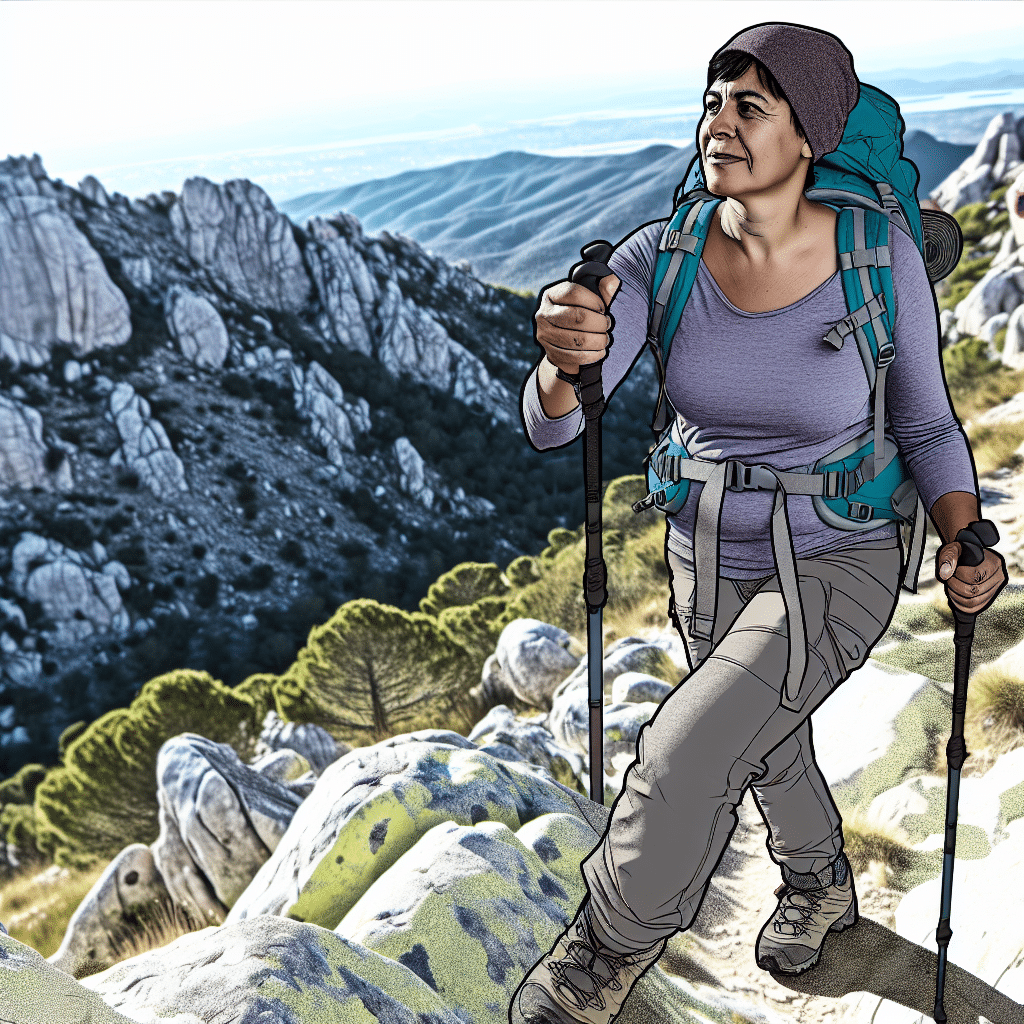
Heading uphill? Push off your poles for added propulsion, conserving energy and reducing leg strain. When descending, plant your poles ahead to brace yourself, controlling your speed and preventing jarring impacts that often lead to knee pain. They transform challenging ascents and descents into smoother transitions.
Boost Your Posture, Reduce Fatigue
Using trekking sticks naturally encourages an upright walking posture, aligning your spine and opening your chest. This not only aids breathing but also minimizes hunching, which can lead to back and shoulder fatigue. Maintaining good posture helps you maintain energy levels throughout your hike.
More Than Just Support: Versatility on the Trail
Beyond stability, trekking sticks offer surprising utility. Use them to probe snow or water depth, clear spiderwebs or thorny bushes from your path, or even set up a lightweight tarp shelter in an emergency. They are truly multi-functional tools for the resourceful outdoors enthusiast.
Choosing Your Perfect Pair: Types of Trekking Sticks Explained
The world of trekking sticks offers various designs, each catering to different preferences and hiking styles. Understanding the basic types will help you narrow down your choices and find the best fit for your adventures.
Single vs. Dual Poles: What’s Your Style?
Single Trekking Stick: Ideal for light walks or those who prefer a hands-free approach for activities like photography. A single stick provides basic support and can be handy for balance on less challenging terrain.
Pair of Trekking Sticks: For serious hikers tackling rugged trails, steep inclines, or carrying heavy loads, a pair is indispensable. They offer symmetrical support, optimal balance, and maximum joint protection, distributing weight more effectively across your body.
Collapsible vs. Fixed-Length: Portability Meets Durability
Collapsible (Telescoping or Folding) Trekking Sticks: These are the most popular choice due to their adjustability and compact storage. Telescoping poles use internal clamps or twist locks, while folding poles often use a Z-pole design with a cord running through segments. They’re excellent for backpackers, travelers, or anyone needing to stash their poles when not in use.
Fixed-Length Trekking Sticks: Simpler in design, these poles offer superior durability and often lighter weight for their strength because they lack moving parts. Favored by ultra-light hikers and those who prioritize robust, consistent support without the need for adjustability or compact storage.
Key Features to Look For in High-Performance Trekking Poles
Once you’ve decided on the type, delve into the features that truly define a quality trekking stick. Your comfort, safety, and the pole’s longevity depend on these crucial design elements.
Material Matters: Aluminum vs. Carbon Fiber
Aluminum Poles: Known for their excellent durability and affordability, aluminum poles are a reliable choice. They can withstand significant abuse and often bend rather than snap under extreme stress, making them a sturdy companion for any trail. They are generally heavier than carbon fiber.
Carbon Fiber Poles: For those prioritizing minimal weight, carbon fiber is the answer. These poles are incredibly light, which significantly reduces swing weight and overall fatigue on long hikes. They also excel at shock absorption, though they can be more expensive and are prone to snapping under sharp impacts rather than bending.
Grip Comfort: Cork, Foam, or Rubber?
The grip is your primary point of contact, so comfort is paramount.
Cork Grips: Mold to your hand over time, provide excellent moisture-wicking properties (great for sweaty hands), and offer a comfortable, natural feel that reduces vibrations.
Foam Grips: Soft, lightweight, and highly absorbent, foam is comfortable in various temperatures and provides a good cushion against vibrations. They might absorb more water in wet conditions.
Rubber Grips: Most durable and perform well in wet, cold conditions, offering superb traction. They might not breathe as well as cork or foam, potentially leading to sweatier hands in warmer climates.
Locking Mechanisms: Reliable Adjustment
Adjustable poles rely on locking mechanisms to maintain their length. Common types include:
Lever Locks (External): Quick, easy to operate even with gloves, and generally very secure. They often have an adjustable screw for tightening.
Twist Locks (Internal): Lighter and more streamlined, but can be harder to adjust with cold hands or gloves. Ensure they’re tightened properly to prevent slippage.
Push-Button Locks: Primarily found on folding poles, these are fast and secure for snapping segments together.
Weight & Packability: Every Ounce Counts
The weight of your poles directly impacts fatigue. Lighter poles reduce swing weight, saving energy over long distances. Consider packability if you frequently need to stow your poles in a backpack for scrambling sections or travel. Carbon fiber and Z-fold designs typically offer the best weight-to-packability ratio.
Shock Absorption: Smooth Out the Bumps
Some trekking poles feature internal springs that absorb impact, further reducing strain on your joints. While adding a bit of weight and complexity, shock-absorbing poles can significantly enhance comfort on long, hard-packed trails, especially for those with sensitive joints.
Master the Trail: How to Effectively Use Your Trekking Sticks
Having the right trekking sticks is only half the battle; knowing how to use them correctly unlocks their full potential. Proper technique will maximize benefits and minimize effort.
Setting the Right Length: The 90-Degree Rule
For flat or rolling terrain, adjust your pole length so that when your arm is at your side and your pole tip is on the ground, your elbow forms a 90-degree angle. This is your baseline.
Uphill: Shorten your poles by 5-10 cm to help you push more effectively and maintain a natural arm swing.
Downhill: Lengthen your poles by 5-10 cm to give you more reach for bracing and support, taking pressure off your knees.
The Art of Pole Placement: Uphill, Downhill, Flat
Flat Terrain: Use a natural, alternating rhythm – left pole forward with your right foot, right pole forward with your left foot. This creates a stable four-point contact with the ground.
Uphill: Plant your poles in front of you, slightly wider than shoulder-width apart, and use your arms to push off. This provides leverage and propels you upwards.
Downhill: Plant your poles ahead of your body, using them to absorb impact and control your descent. Think of them as extensions of your legs, helping you brake and maintain balance.
Embrace the Wrist Straps: Power and Control
Many new users overlook the wrist straps, but they are crucial! Thread your hand up through the strap from the bottom, then grasp the grip and the top of the strap together. This technique transfers weight to your wrists, reducing the need for a tight grip and preventing hand fatigue. It also ensures you don’t drop your poles if you loosen your grip.
Conclusion: Elevate Your Hiking Experience with Trekking Sticks
From navigating treacherous mountain passes to enjoying a leisurely walk in the park, trekking sticks are truly game-changers for any outdoor enthusiast. They offer an unparalleled combination of stability, joint protection, and versatility that can transform a challenging trek into a comfortable and exhilarating adventure.
Investing in a quality pair of trekking sticks is an investment in your safety, comfort, and longevity on the trail. By choosing the right type, material, and mastering proper usage, you’ll unlock a new level of confidence and enjoyment in every outdoor pursuit. Don’t just walk the trail – conquer it with your trusty trekking companions by your side!