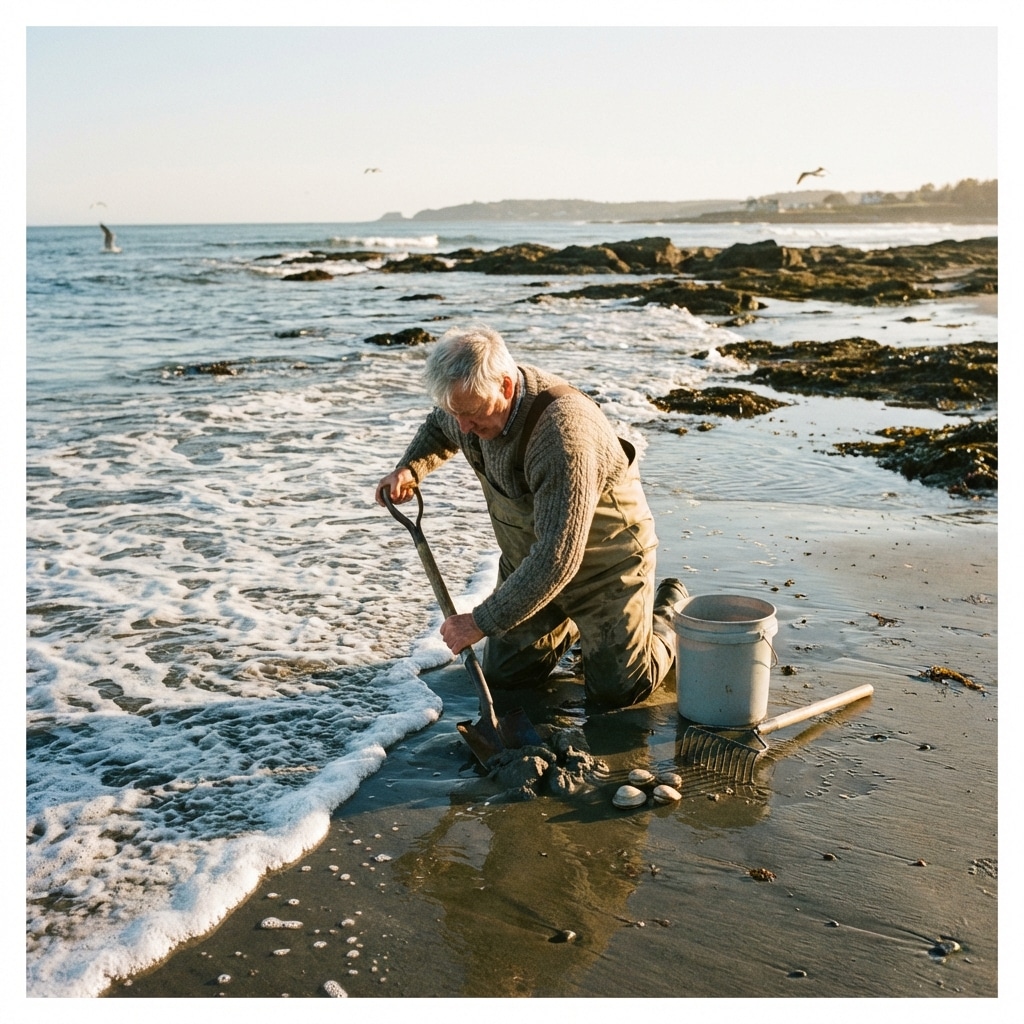
Dreaming of a unique Pacific Northwest adventure that combines the thrill of the hunt with the serenity of the coast? Look no further than clam digging in Washington State! This cherished pastime offers an incredible opportunity to explore pristine beaches, breathe in the salty air, and unearth a delicious bounty straight from the sea.
Clamming in Washington isn’t just a recreational activity; it’s a deep dive into local culture and a fantastic way to create lasting memories with family and friends. Get ready to discover the magic beneath the waves!
Why Washington State is a Clam Digger’s Paradise
Washington State boasts thousands of miles of diverse coastline, from vast ocean beaches to tranquil Puget Sound shorelines. This rich marine environment provides the perfect habitat for a variety of clam species, making it a prime destination for clamming enthusiasts. It’s an outdoor activity steeped in history, enjoyed by generations.
Whether you’re a seasoned digger or a curious beginner, the Evergreen State offers an unparalleled experience. Imagine the excitement of spotting that tell-tale “show” – a dimple or a squirt of water – signaling a clam buried just beneath the sand.
Essential Gear for Your Washington Clamming Adventure
Before you hit the beach, ensure you’re properly equipped. Having the right tools makes all the difference for a successful and enjoyable clam digging trip. Remember, comfortable and appropriate attire is key for hours spent on the shore.
The Right Tools for the Job
Clam Shovel or Digging Fork: Essential for unearthing clams from sandy or muddy beds.
Clam Gun (Tube): Ideal for razor clams, this specialized tool suctions clams out of the sand.
Bucket or Mesh Bag: To safely store your catch. Mesh bags allow water to drain and keep clams fresh.
Headlamp or Lantern: Crucial for early morning or late evening low tide digs.
Measuring Device: To ensure your clams meet legal size requirements.
Dress for Success (and Comfort)
Waterproof Waders or Boots: Protect yourself from the chilly Pacific waters and muddy conditions.
Rain Gear (Jacket & Pants): Washington weather can be unpredictable, so be prepared for anything.
Gloves: To protect your hands from sharp shells and cold water.
Warm Layers: Even on sunny days, the beach can be cool, especially near the water.
Valid Fishing License: Absolutely mandatory for all shellfish harvesting in Washington State.
Top Clam Digging Spots in Washington State
Washington offers a diverse range of clamming locations, each known for specific types of clams and unique environmental conditions. Always check the Washington Department of Fish and Wildlife (WDFW) website for specific beach openings and regulations before planning your trip.
Coastal Gems: Razor Clam Hotspots
The expansive sandy beaches along Washington’s Pacific coast are world-renowned for their razor clam populations. These areas are incredibly popular, especially during approved season openings.
Long Beach: Famous for its vast stretches of sand and abundant razor clams.
Copalis Beach: A favorite among seasoned diggers, often producing excellent yields.
Mocrocks: Another prime location on the North Beach, known for consistent razor clam shows.
Twin Harbors: Offers extensive digging grounds and is easily accessible.
Puget Sound & Hood Canal: Butter, Manila, and Geoduck
For a different clamming experience, the sheltered waters of Puget Sound and Hood Canal offer a variety of hardshell clams. These areas require different digging techniques and yield distinct species.
Dosewallips State Park (Hood Canal): Known for butter and native littleneck clams.
Shine Tidelands State Park (Hood Canal): A popular spot for various hardshell clams.
Potlatch State Park (Hood Canal): Offers opportunities for Manila, butter, and littleneck clams.
Various Public Beaches (Puget Sound): Many smaller, local beaches offer opportunities, but checking WDFW for specific openings is crucial.
Know Your Catch: Popular Washington Clam Species
Washington State is home to several delicious clam species, each with unique characteristics and preferred habitats. Understanding what you’re looking for will enhance your digging experience.
Razor Clams: Easily identified by their elongated, brittle shell, these highly sought-after clams are found exclusively on sandy ocean beaches. They’re prized for their tender meat and versatility in cooking.
Butter Clams: Large, oval-shaped clams with heavy, chalky white shells. They are abundant in gravelly-sand or mud beaches throughout Puget Sound and Hood Canal. Excellent steamed or in chowders.
Manila Clams: Smaller, oval-shaped clams with intricate patterns on their shells. Often found higher in the intertidal zone, they are a delicious choice for steaming, pasta, or stir-fries.
Native Littleneck Clams: Similar in size to Manila clams, with a smoother, often grayish shell. Also great for steaming and pasta dishes.
Geoduck Clams: The largest burrowing clam in the world, famous for its long siphons. Found deep in muddy or sandy substrates, primarily in Puget Sound. Harvesting geoducks often requires specialized tools and permits.
Horse Clams: Also known as gaper clams, these are large, robust clams with a prominent “neck” (siphon) that often protrudes from the sand. They have a tougher texture and are excellent for chowder or fried clam strips.
Clam harvesting in Washington is heavily regulated to ensure sustainability and public safety. Always consult the Washington Department of Fish and Wildlife (WDFW) website for the most current information. Ignoring regulations can result in fines and penalties.
Licensing and Seasonality
Every individual aged 15 and older must possess a valid Washington fishing license with a shellfish endorsement. Clam seasons vary significantly by species and location. Razor clam digs, for instance, are announced just weeks in advance based on clam abundance and marine toxin levels.
Catch Limits and Size Restrictions
Specific limits are in place for each clam species to prevent overharvesting. For example, razor clam limits are typically 15 clams per person, regardless of size, with the first 15 dug being kept. Hardshell clam limits (like butter and Manila) are often measured by volume. Always verify the current regulations before you dig.
Checking for Closures and Beach Conditions
Marine toxin levels (like Paralytic Shellfish Poisoning – PSP) can fluctuate, leading to emergency closures. Always check the WDFW Shellfish Safety Map and beach opening alerts before heading out. Tides play a crucial role, so plan your trip for the lowest tides for optimal digging conditions.
How to Successfully Dig for Clams: A Step-by-Step Guide
The thrill of unearthing your own dinner is incredibly rewarding. Here’s a basic guide to getting started, though techniques can vary slightly by clam type:
Locate the “Show”: For razor clams, look for small dimples or “shows” in the sand, often accompanied by a squirt of water. For hardshell clams, look for small holes or disturbed areas in the gravelly sand or mud.
Begin Digging: For razor clams, use a clam shovel or gun. Dig quickly a few inches seaward of the show, then follow the clam straight down. For hardshell clams, use a shovel or digging fork, making a circular trench around the show.
Extract the Clam: Once you feel the clam, gently reach in and pull it out. Be careful not to break the shell.
Measure and Keep: Immediately measure your clam if there’s a size limit. Place legal clams into your bucket or mesh bag.
Fill Your Holes: Always fill in your holes to protect other marine life and maintain the beach’s integrity.
Beyond the Dig: Enjoying Your Washington Clam Harvest
After a successful day of clamming, the best part is enjoying your fresh catch! Washington clams are incredibly versatile. Razor clams are fantastic pan-fried, in fritters, or chowder. Hardshell clams like Manilas and littlenecks are perfect steamed with garlic and butter, added to pasta, or used in classic clam chowder recipes.
Remember to clean your clams thoroughly before cooking. A quick purge in saltwater can help remove any remaining sand.
Plan Your Washington Clamming Adventure Today!
Clam digging in Washington State is more than just a hunt for food; it’s an immersive experience that connects you with nature, culture, and community. From the exhilarating rush of pulling a razor clam from the sand to the quiet joy of a Puget Sound hardshell dig, it’s an adventure waiting to happen.
So, grab your gear, check the tides, and consult the WDFW updates. Get ready to create unforgettable memories and savor the taste of the Pacific Northwest’s incredible bounty. Your next great outdoor story starts on Washington’s clam-rich shores!