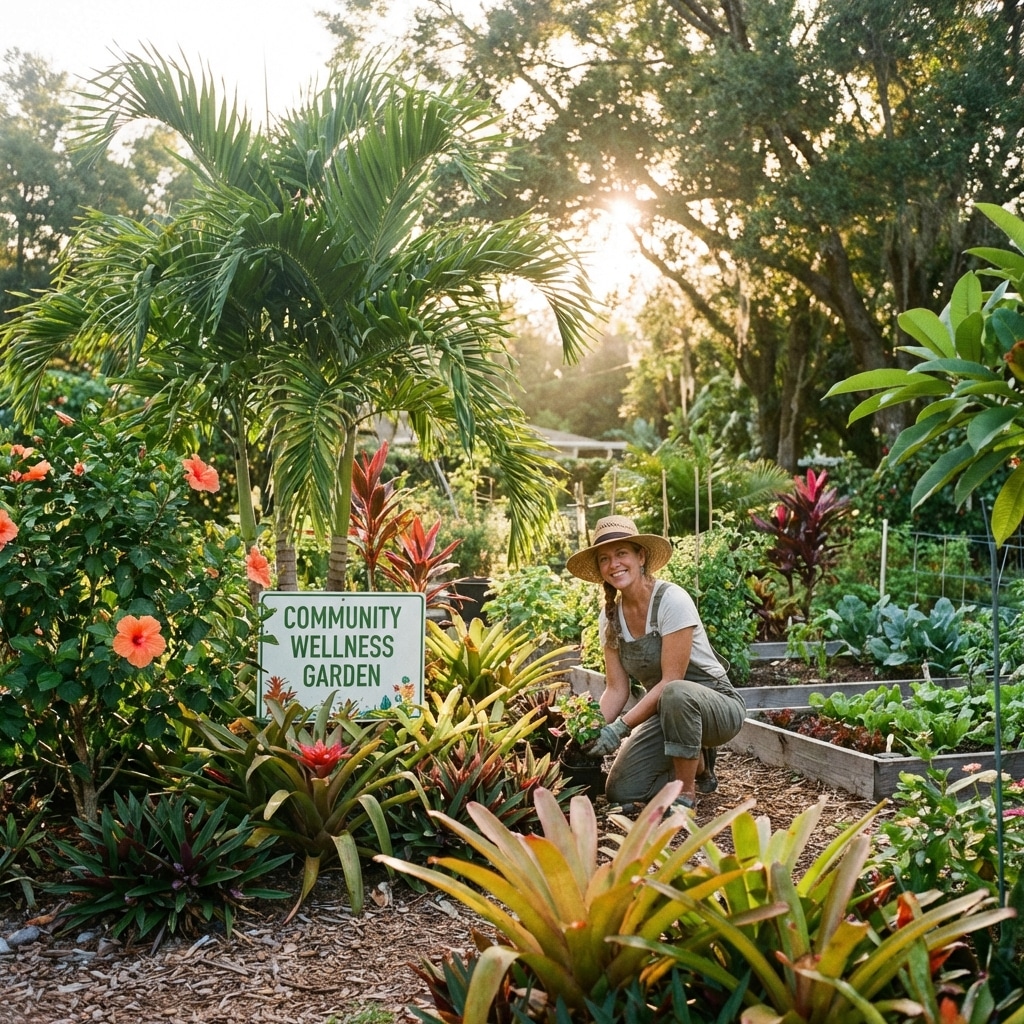
Are you dreaming of a vibrant garden in Washington State, but feel overwhelmed by its diverse climates? From the misty, lush landscapes of the Pacific Northwest to the sunny, arid plains east of the Cascades, gardening in Washington is truly a unique adventure. It demands a tailored approach, rewarding those who understand its specific blessings and challenges.
This comprehensive guide is your essential toolkit for successful Washington gardening. We’ll uncover region-specific secrets, introduce resilient plant choices, and equip you with the knowledge to cultivate a thriving oasis, no matter your location in the Evergreen State. Get ready to transform your gardening vision into a beautiful reality!
Why Washington Gardening is Uniquely Challenging (and Rewarding)
Every state has its own gardening quirks, but Washington’s extreme environmental diversity truly sets it apart. This can be a gardener’s ultimate playground or their biggest puzzle, depending on how prepared they are to adapt to its distinct regions.
Western Washington: Lush Landscapes, Unique Hurdles
Imagine a gardener’s paradise: mild temperatures, abundant rainfall, and verdant growth. That’s Western Washington, home to cities like Seattle, Tacoma, and Olympia. While the consistent moisture promotes lush greenery, it also creates conditions ripe for issues like root rot, fungal diseases, and a booming slug population.
Soil in this region can range from rich, organic loam to dense, slow-draining clay. Understanding your specific soil type is the first step toward successful cultivation in this often-soggy but incredibly fertile environment.
Embrace Moisture-Lovers: Select plants that thrive in damp, acidic conditions such as ferns, hostas, rhododendrons, azaleas, and hydrangeas. Native plants are always a wise choice.
Prioritize Superior Drainage: Implement raised beds, incorporate coarse sand or gravel into heavy clay soils, and ensure proper grading to prevent waterlogging, especially during the long rainy season.
Vigilant Pest Patrol: Slugs and snails adore damp environments. Use organic slug baits, copper tape, hand-picking, or encourage natural predators like birds and frogs to manage populations.
Eastern Washington: Embracing Arid Beauty and Smart Solutions
Cross the majestic Cascade Mountains, and you enter a completely different horticultural world. Eastern Washington, encompassing Spokane, the Tri-Cities, and Wenatchee, features a drier, continental climate with hot summers, cold winters, and significantly less rainfall.
Gardening here means confronting sandy, less fertile soils that drain quickly and struggle to retain nutrients. Success hinges on intelligent water management and soil enrichment to support plant life against the elements.
Master Efficient Watering: Drip irrigation and soaker hoses are indispensable for delivering water directly to plant roots, minimizing evaporation, and conserving precious resources in this arid climate.
Enrich Sandy Soils: Consistently amend your soil with generous amounts of organic matter, such as compost, aged manure, or peat moss, to dramatically improve water retention and nutrient availability.
Choose Drought-Resistant Heroes: Opt for plants naturally adapted to dry conditions. Think lavender, sage, coneflowers, sedums, succulents, and many native grasses and shrubs.
Cultivating Success: What to Plant in Your Washington Garden
Selecting the right plants is arguably the most critical decision for any Washington gardener. The state’s climatic duality means a ‘one-size-fits-all’ approach simply won’t work. Here’s a breakdown of reliable options tailored to each distinct region.
Thriving Vegetables by Region
Western Washington: Excel with cool-season crops like various lettuces, spinach, kale, Swiss chard, peas, broccoli, cabbage, and root vegetables such as carrots, beets, and potatoes. Consistent moisture helps them flourish.
Eastern Washington: Leverage the intense summer heat for warm-season favorites. Tomatoes, peppers, corn, squash, cucumbers, and melons will thrive here, especially with consistent irrigation and rich, amended soil.
Fruit Trees for Every Washington Climate
Western Washington: Apples, pears, plums, and various berries (blueberries, raspberries, blackberries) are ideal. The cooler climate and consistent moisture create perfect conditions for these temperate fruits.
Eastern Washington: The hot summers are a boon for peaches, apricots, cherries, and some grape varieties. Ensure good drainage and consistent watering for best results.
Beautiful Blooms for the Evergreen State
Western Washington: Create stunning displays with foxgloves, hydrangeas, azaleas, camellias, fuchsias, impatiens, and a wide array of shade-loving perennials.
Eastern Washington: Brighten your garden with sun-loving, heat-tolerant flowers like sunflowers, marigolds, zinnias, cosmos, cleome, and various drought-tolerant perennials and annuals.
Seasonal Strategies for Year-Round Washington Gardening
To truly master Washington gardening, aligning your efforts with the rhythm of the seasons is key. Each period offers unique tasks and opportunities to ensure your garden remains productive and beautiful throughout the year.
Spring: Awaken Your Garden
Soil Revival: Begin by turning over garden beds, incorporating fresh compost, and conducting soil tests to prepare for new growth.
Seed Starting & Planting: This is prime time to sow seeds indoors or directly plant cool-season vegetables and hardy annuals. Ensure frost danger has passed in your specific region.
Pruning & Cleanup: Prune dormant trees and shrubs, and clear away any winter debris to prevent disease.
Summer: Nurture and Harvest
Consistent Care: Regular watering is crucial, especially during dry spells in Western Washington and consistently in Eastern Washington. Weed diligently and apply mulch to conserve moisture.
Pest & Disease Management: Stay vigilant for common summer pests and address any signs of disease promptly.
Bountiful Harvests: Enjoy the fruits (and vegetables!) of your labor by harvesting crops regularly, which also encourages more production.
Fall: Prepare and Plant
Perennial Planting: Fall is an excellent time to plant trees, shrubs, and many perennials, allowing them to establish roots before winter.
Extended Harvests: Plant cool-season crops for a late autumn harvest, such as kale, spinach, and garlic.
Garden Cleanup: Remove spent annuals, clear vegetable beds, and add a layer of compost to enrich the soil over winter. This also helps reduce overwintering pests and diseases.
Winter: Protect and Plan
Winter Protection: Apply a thick layer of mulch around tender plants, shrubs, and bare soil to insulate roots from freezing temperatures and minimize soil erosion.
Tool Maintenance: Clean and sharpen your gardening tools, preparing them for the next active season.
Dream & Design: Utilize the dormant months to research new plants, plan your next garden layout, and order seeds for spring planting.
Overcoming Common Washington Gardening Challenges
Every gardener encounters obstacles, and Washington’s diverse environments present a unique set. Proactive strategies and a little horticultural know-how can turn these challenges into opportunities for growth.
Battling Pests and Diseases Organically
Washington’s temperate and moist conditions, especially west of the Cascades, can be a haven for slugs, snails, aphids, and various fungal diseases like powdery mildew. East of the Cascades, arid conditions might bring different insect pressures.
Adopt an Integrated Pest Management (IPM) approach:
Crop Rotation: Change planting locations annually to disrupt pest cycles.
Proper Spacing: Ensure good air circulation to reduce fungal issues.
Beneficial Insects: Encourage ladybugs and lacewings to naturally control aphid populations.
Organic Solutions: Use neem oil, insecticidal soaps, or homemade remedies as a last resort. Always identify the pest or disease before treating.
Mastering Your Soil Composition
Soil is the foundation of your garden. Washington’s soil quality varies wildly, from heavy clays to sandy loams. A simple soil test is invaluable, revealing its pH, nutrient levels, and composition.
Based on your test results:
Improve Drainage (Clay): Incorporate compost, grit, or raised beds to break up dense clay and prevent waterlogging.
Boost Water Retention (Sand): Mix in organic matter like compost, well-rotted manure, or coco coir to help sandy soils hold moisture and nutrients.
Adjust pH: Use lime to raise acidic soil pH (common in Western WA) or sulfur to lower alkaline soil pH (less common, but can occur).
Adapting to Washington’s Weather Extremes
From torrential rains and cool summers in the west to scorching heat and bitter cold in the east, Washington’s weather is anything but consistent. Flexibility and protective measures are key to mitigating these extremes.
Manage Excess Moisture: Utilize raised beds, improve soil drainage, and select rain-tolerant plants to prevent issues during prolonged wet periods in Western Washington.
Combat Drought & Heat: Implement efficient irrigation systems, apply generous layers of mulch, and provide shade for sensitive plants during Eastern Washington’s hot, dry summers.
Winter Protection: Protect tender plants from frost with row covers, cloches, or by bringing potted plants indoors during harsh winter spells across the state.
Your Thriving Washington Garden Awaits
Gardening in Washington State is a journey of discovery, offering both exhilarating triumphs and unique learning curves. By recognizing the distinct characteristics of your region – be it the lush, temperate west or the sunny, arid east – you unlock the potential for truly spectacular results.
Armed with knowledge about optimal plant choices, seasonal strategies, and smart solutions to common challenges, you’re well-equipped to cultivate a garden that not only survives but flourishes. Embrace the variability, connect with your local environment, and enjoy the profound satisfaction of growing beauty and sustenance in the diverse landscapes of the Evergreen State. Happy gardening!