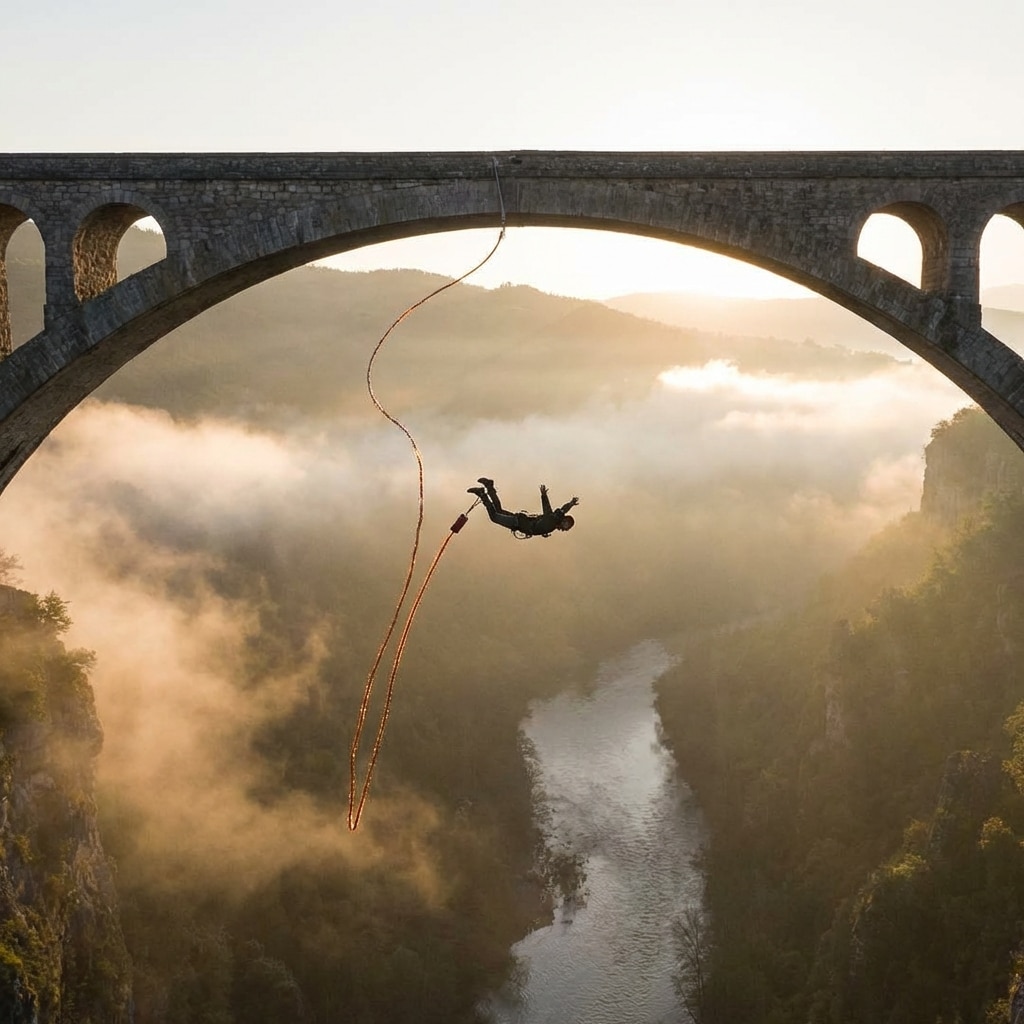
Ever watched an extreme sports video and seen someone effortlessly descend a sheer cliff face? Or perhaps you’ve wondered about the skilled professionals who rappel into precarious situations for rescue operations or vital maintenance. This thrilling and essential technique is known as abseiling, or rappelling, and it’s far more than just an adrenaline rush.
Abseiling is a controlled descent from a vertical surface using a fixed rope. While often associated with mountaineering and adventure sports, its applications extend from vital search and rescue missions to industrial rope access and even intricate tree trimming. But what exactly does it entail, and how can you learn to do it safely?
What Exactly is Abseiling (or Rappelling)?
At its core, abseiling is a specialized technique for controlled vertical descent. You use a fixed rope, secured at the top of a cliff, building, or structure, along with specialized equipment to manage your speed and movement downwards. It allows individuals to navigate terrains that would otherwise be impassable.
While “abseiling” is the widely accepted term in many parts of the world, particularly Europe and the UK, you might also hear it called “rappelling.” This term originated in France (“rappeler” meaning “to recall”) and became common in military and mountaineering circles, especially in North America. Both terms describe the same fundamental process.
The Evolution and Versatile Uses of Abseiling
The concept of using ropes for descent is ancient, but the modern technique we recognize today evolved over centuries. Early mountaineers often faced perilous descents, and it wasn’t until pioneers like Germany’s Willy Merkl in 1934 that more refined methods, like those on artificial walls, began to take shape.
Beyond its recreational appeal, abseiling has become an indispensable skill for various professional fields.
Beyond the Thrill: Professional Applications
Search and Rescue: Professional abseiling groups are critical in rescuing trapped rock climbers, retrieving individuals from icy rivers, or accessing difficult terrain during emergencies.
Industrial Rope Access: From cleaning skyscrapers to inspecting wind turbines or bridges, trained rope access technicians use abseiling techniques for maintenance and construction in high places.
Arboriculture (Tree Trimming): Arborists utilize abseiling to safely descend into tree canopies for precise pruning, removal, or inspection.
Military Operations: British Commandos famously used abseiling in World War II to descend sheer cliff faces under fire, highlighting its tactical utility.
Adventure and Sport
For adventure enthusiasts, abseiling offers an incredible rush. It’s a popular component of rock climbing, canyoning, and adventure tourism, allowing participants to experience breathtaking views and the satisfaction of overcoming a physical challenge. However, this thrill always comes with a strict emphasis on safety.
Essential Abseiling Equipment for a Safe Descent
Safety in abseiling is paramount, and it starts with reliable, high-quality equipment. Every piece plays a critical role in ensuring a controlled and secure descent.
The Abseiler’s Personal Kit:
Harness: Worn around the waist and legs, providing the primary connection point to the rope system.
Descender: A friction device (e.g., an ATC, figure-8, or Grigri) that allows the abseiler to control their speed of descent.
Carabiners: Strong, metal connectors used to link the harness to the descender and other parts of the system.
Gloves: Essential for protecting hands from rope friction and providing a secure grip. Leather or reinforced synthetic gloves are common.
Helmet: Crucial for protecting against falling debris or head impacts.
Sturdy Boots: Provide ankle support and excellent grip on rock surfaces.
Prusik Cords (Safety Backup): Small cordage used to create a friction hitch for a hands-free safety backup system.
Ropes and Anchors:
Static Ropes: Recommended for abseiling due to their minimal stretch, which provides a more controlled and predictable descent.
Anchors: The secure point (or points) at the top of the descent from which the rope system is suspended. These must be rigorously tested and redundant.
Belay Device/System: Used by a belayer (a ground support person) to provide an additional layer of safety and control over the abseiler’s descent.
All abseiling equipment, especially ropes and hardware, must be regularly inspected by a qualified professional for any signs of wear, damage, or weakening. Never use compromised gear.
Mastering the Art: Basic Abseiling Technique
While appearing effortless, a safe abseil requires precise technique and constant awareness. Here are the fundamental principles:
Set Up: Ensure your harness is correctly fitted, your descender is properly threaded onto the rope, and your safety backup (like a Prusik) is in place.
Body Position: Begin by leaning back and walking your feet down the vertical surface. Your body should be at roughly a 45-degree angle to the surface, knees slightly bent, and feet shoulder-width apart for balance.
Hand Placement: Your “brake hand” (usually the dominant hand) controls the rope exiting the descender, regulating your speed. Your “guide hand” (the other hand) lightly holds the rope above the descender for stability, never gripping it tightly.
Controlled Descent: Feed the rope smoothly through your descender with your brake hand, maintaining a steady pace. Avoid sudden jerks or rapid descents.
Communication: Constant, clear communication between the abseiler and any belayer is crucial. Agreed-upon commands prevent misunderstandings.
Remember, this is a simplified overview. Real-world abseiling involves nuanced adjustments for terrain, weather, and specific situations. Professional training is indispensable for truly mastering these techniques.
Abseiling Safety: Prioritizing Your Well-being
The allure of abseiling is undeniable, but the risks are very real if safety protocols aren’t strictly followed. Here are the paramount safety considerations:
“One Person, One Rope” Rule: Crucially, only one person should ever be on an abseil rope at a time to prevent overloading and ensure individual control.
Thorough Equipment Checks: Before every use, inspect all gear—ropes, harnesses, carabiners, descenders—for damage, wear, or defects. If in doubt, don’t use it.
Redundant Systems: Implement backup safety systems, such as a Prusik knot on the rope, and always ensure anchor points are redundant (i.e., multiple independent anchors).
Communication is Key: Clear verbal commands between the abseiler and belayer (if present) are non-negotiable for coordinating the descent.
Environmental Awareness: Assess weather conditions, rockfall hazards, and the stability of the descent surface before starting.
Legal and Permissional: Always verify if abseiling is permitted in your chosen location and obtain any necessary property owner permissions. Unsanctioned abseiling can lead to fines or worse.
Never Compromise on Training: The single most important safety measure is proper, certified training from experienced instructors.
Understanding and respecting these safety measures transforms abseiling from a dangerous stunt into a calculated, exhilarating, and highly rewarding activity.
Getting Started: The Importance of Professional Abseiling Training
Trying to learn abseiling solely from videos or casual observation is extremely dangerous and strongly discouraged. This is a skill that demands hands-on instruction in a controlled environment.
A professional training course provides invaluable benefits:
Expert Guidance: Certified instructors teach you correct techniques, safety protocols, and emergency procedures that are impossible to grasp otherwise.
Equipment Knowledge: Learn how to properly use, maintain, and inspect all types of abseiling gear.
Route Planning: Understand how to assess a descent, choose appropriate anchor points, and set up a safe system.
Risk Management: Develop an acute awareness of potential hazards and learn strategies to mitigate them.
Practical Application: Gain confidence and muscle memory through repeated practice under supervision, reducing the risk of critical errors.
Upon completing an appropriate course, you may receive certification, validating your skills and readiness for independent or team abseiling. This credential is often required for professional rope access roles and provides peace of mind for recreational abseilers.
Ready for the Descent?
Abseiling is a dynamic and incredibly useful technique, whether you’re drawn to its adrenaline-pumping sport aspect or its critical professional applications. From tree trimming to dramatic rescues and recreational thrills, its versatility is unmatched.
However, the key to unlocking its full potential, and ensuring your safety, lies in rigorous training, diligent equipment checks, and unwavering respect for safety protocols. Seek out professional instruction, and prepare to embark on an incredible journey of vertical exploration!