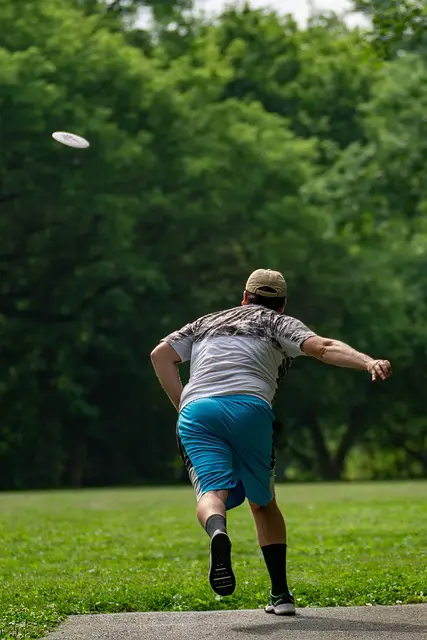
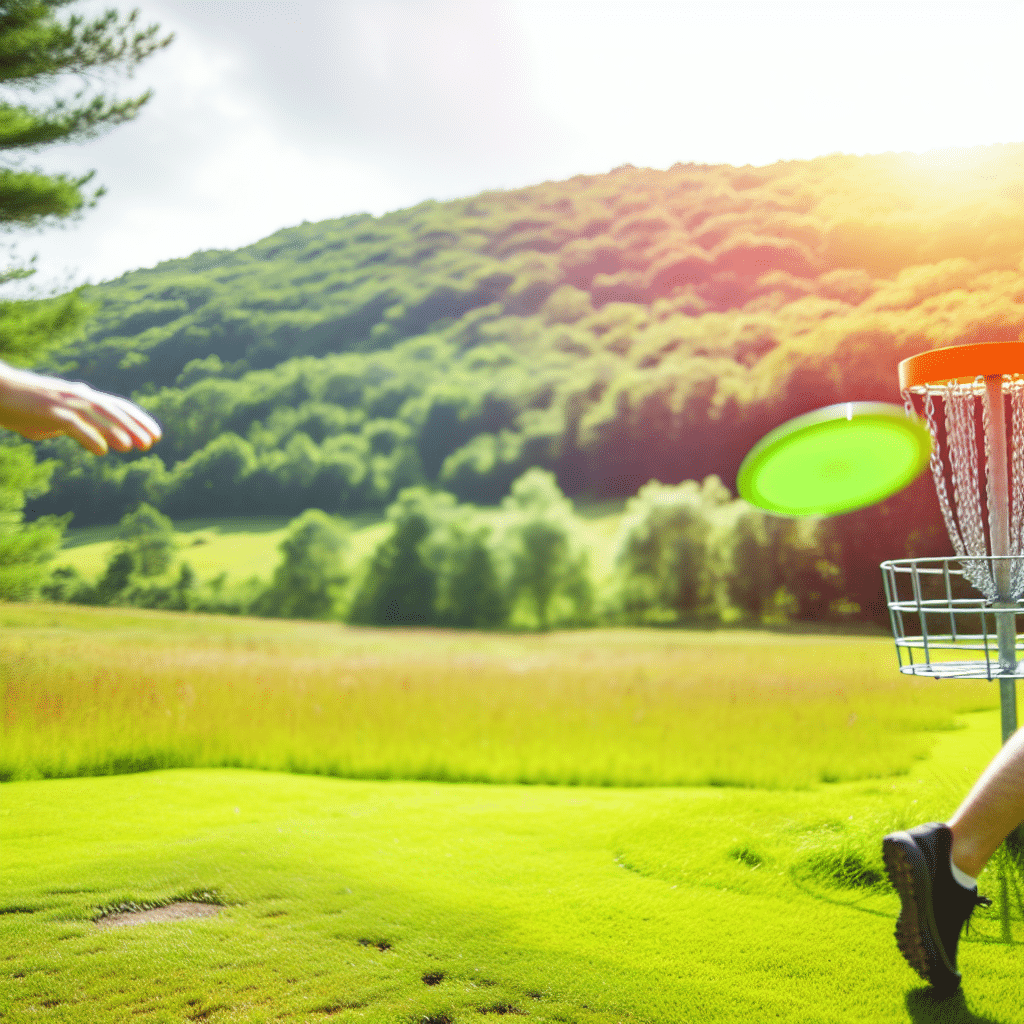
Tired of the same old routine? Looking for a fun, affordable way to get active outdoors and connect with nature? You’re not alone! Many people are discovering a rapidly growing sport that offers all this and more: disc golf. It’s an exciting alternative to traditional golf, offering a simpler, more accessible path to outdoor enjoyment.
Whether you’re a seasoned athlete or just looking for a new hobby, disc golf provides a fantastic blend of exercise, strategy, and social interaction. It’s a sport designed for everyone, from casual players enjoying a sunny afternoon to serious competitors vying for championships.
What Exactly is Disc Golf?
Disc golf, often called “frisbee golf” by newcomers, is a precision and accuracy sport where players throw specialized flying discs towards a target. This target, known as a “basket” or “hole,” typically consists of a metal pole with chains designed to catch the disc. The objective is simple: complete each hole in the fewest possible throws.
Similar to traditional golf, a disc golf course features a series of holes, each starting from a designated “tee pad” and ending at a basket. Players navigate various terrains, using different discs and throwing techniques to reach their target with precision. It’s a captivating challenge that tests both physical skill and strategic thinking.
Disc Golf vs. Traditional Golf: Key Differences
While both sports share the fundamental goal of getting an object into a target with the fewest attempts, disc golf distinguishes itself with several key factors. These differences often make disc golf a more approachable and budget-friendly option for many.
Equipment: Traditional golf requires a full set of expensive clubs and balls. Disc golf, however, only necessitates a few specialized discs – usually a driver, mid-range, and putter – which are significantly more affordable and easier to carry.
Cost of Play: Most disc golf courses, especially those in public parks, are completely free to play. This contrasts sharply with the often steep greens fees associated with traditional golf courses.
Course Interaction: In traditional golf, the terrain is often manicured, and players must carefully avoid sand traps and water hazards. Disc golf courses frequently embrace natural obstacles like trees and elevation changes, making each throw a unique challenge within a natural setting.
Pace of Play: Disc golf rounds can often be completed more quickly than traditional golf, making it an excellent choice for those with limited time. It’s generally a more relaxed and less formal environment.
Understanding the Basic Rules of Disc Golf
Learning the rules of disc golf is straightforward, making it easy for beginners to jump right in. While specific course rules might vary slightly, the core principles remain consistent across the board.
Starting Each Hole: Every player begins by throwing their disc from the designated “tee pad.”
Subsequent Throws: After the initial throw, players continue from where their previous disc landed. The player furthest from the basket throws next.
“Lie”: The spot where your disc lands determines your “lie.” You must take your next throw with at least one foot on the ground directly behind your disc’s lie.
Completing the Hole: A hole is completed once your disc comes to rest within the basket (i.e., in the chains or resting in the tray at the bottom).
Scoring: Each throw counts as one stroke. The goal is to complete each hole in the lowest number of strokes. At the end of the round, the player with the lowest total score wins!
Out of Bounds: If your disc lands “out of bounds” (e.g., in a lake, designated hazard area), you incur a penalty stroke and throw from a designated drop zone or where it went out of bounds.
Essential Disc Golf Equipment for Beginners
One of disc golf’s most appealing aspects is its minimal equipment requirement. To get started, you don’t need much, which keeps the initial investment low. Here’s what you’ll need:
The Discs
Unlike a standard frisbee, disc golf discs are engineered for specific flight patterns. Beginners should start with just a few versatile discs to learn the fundamentals.
Putter: Designed for short, accurate throws into the basket. They fly straight and slowly.
Mid-range Disc: Versatile for moderate distances, offering a balance of control and distance.
Fairway Driver: For longer throws, but more forgiving than high-speed drivers. Great for expanding your distance as you improve.
Look for discs labeled “beginner-friendly” or with lower speed ratings. Many starter sets are available and are an excellent way to get all three essential types of discs.
Additional Gear
Disc Golf Bag: A small shoulder bag or backpack is perfect for carrying your discs, water bottle, snacks, and other essentials.
Water Bottle & Snacks: Stay hydrated and energized, especially during longer rounds.
Comfortable Shoes: You’ll be doing a lot of walking, often on uneven terrain, so good footwear is crucial.
Scorecard & Pencil (or App): Keep track of your scores. Many free disc golf apps (like UDisc) also provide course maps and scoring features.
Why You Should Start Playing Disc Golf Today
Beyond its simplicity and low cost, disc golf offers a wealth of benefits that make it an incredibly rewarding activity. It’s more than just a game; it’s a lifestyle choice that promotes health, happiness, and connection.
Fantastic Exercise: Enjoy a full-body workout as you walk several miles, often through scenic parks, throwing discs, and bending to pick them up. It’s a great way to boost your cardiovascular health and get fresh air.
Boosts Mental Well-being: The focus required for each throw, coupled with being surrounded by nature, makes disc golf a wonderful stress reliever. It encourages strategic thinking and problem-solving.
Highly Social: Disc golf is perfect for playing with friends, family, or even joining local leagues and tournaments to meet new people. The community is generally welcoming and supportive.
Accessible for All Ages & Abilities: From young children to seniors, anyone can enjoy disc golf. Courses are designed with varying difficulties, allowing players to progress at their own pace.
Inexpensive Fun: With many courses free to access and discs costing significantly less than traditional golf equipment, disc golf offers endless hours of entertainment without breaking the bank.
Finding a Disc Golf Course Near You
Ready to experience the fun? Finding a disc golf course is easier than you think. Many local parks and recreation departments have installed courses, and the sport’s growing popularity means new courses are popping up all the time.
A great resource is the UDisc app, which provides a comprehensive map of disc golf courses worldwide, complete with reviews, hole layouts, and real-time scorekeeping. A quick online search for “disc golf courses near me” will also point you in the right direction.
Conclusion: Your Next Outdoor Adventure Awaits!
Disc golf is more than just a sport; it’s an invitation to explore the outdoors, challenge yourself, and connect with a vibrant community. It’s an easy-to-learn, affordable, and incredibly enjoyable activity that promises both physical and mental benefits.
So, what are you waiting for? Grab a few discs, find your nearest course, and discover why millions are falling in love with this exciting outdoor adventure. Your next favorite hobby is just a throw away!