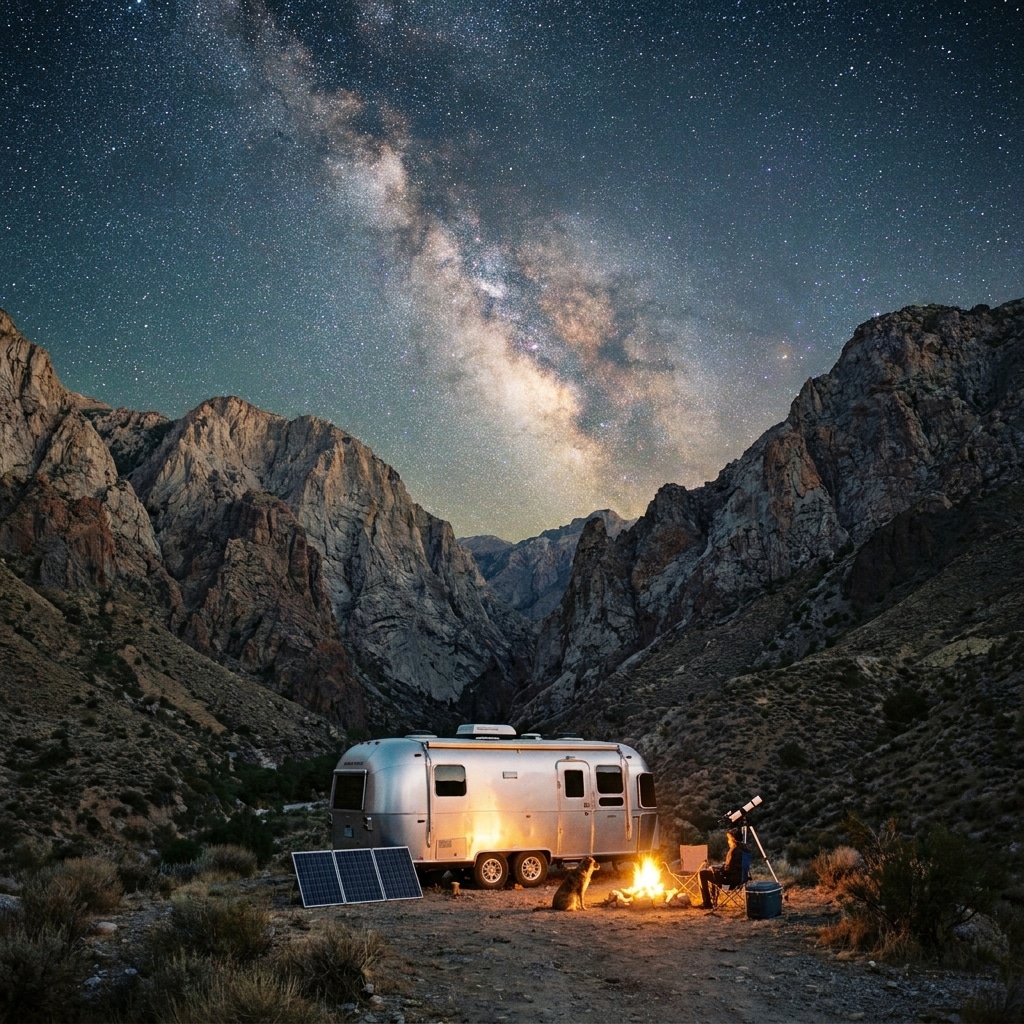
Are you yearning to escape the endless hum of daily life? Do crowded campgrounds and rigid schedules leave you wanting more from your outdoor adventures? If so, the allure of the wilderness might be calling your name – specifically, the growing trend of dispersed camping.
This isn’t your typical RV park experience. Dispersed camping offers an unparalleled opportunity to truly disconnect, immerse yourself in nature, and discover pristine landscapes far from the madding crowd. But what exactly is dispersed camping, and why is it captivating so many adventurers? Let’s dive in and uncover the essence of this unique wilderness experience.
What is Dispersed Camping?
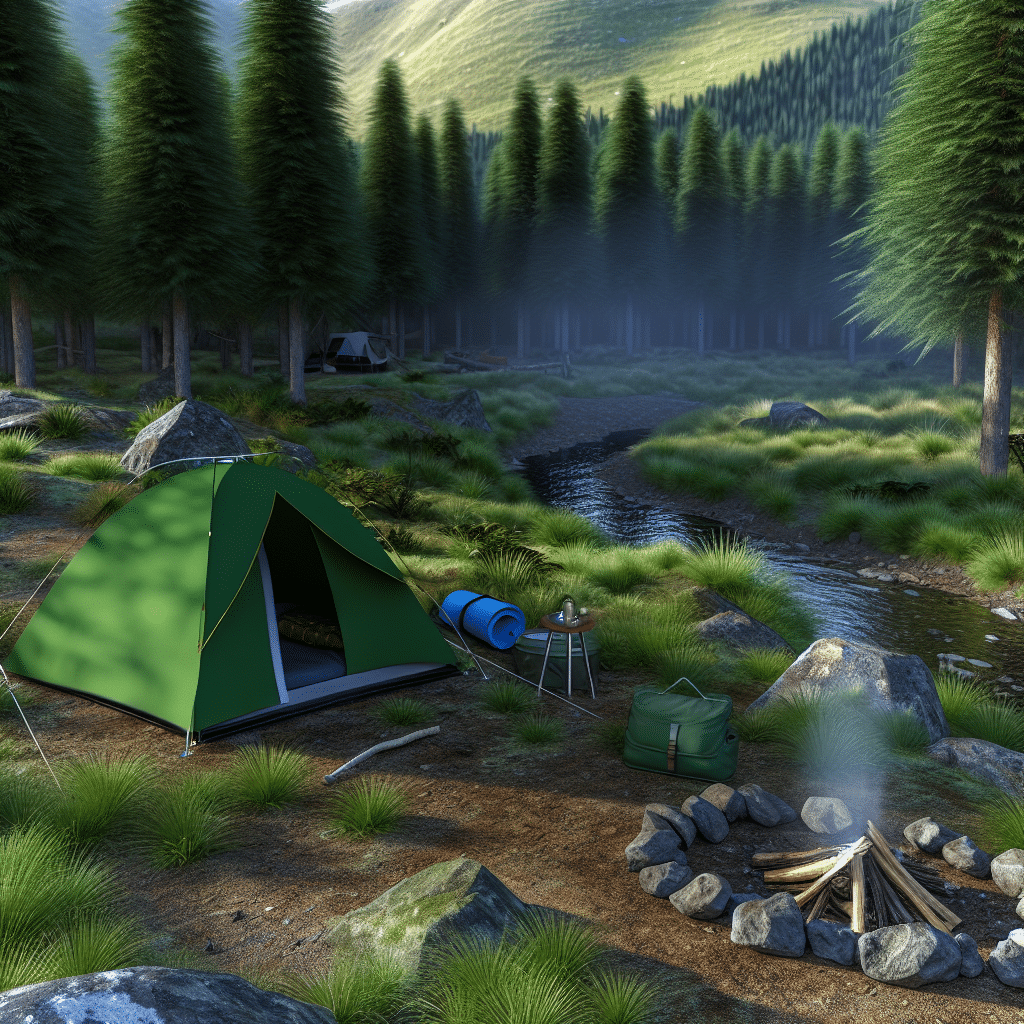
Dispersed camping, often known as wild camping or backcountry camping, refers to pitching your tent or parking your RV outside of designated, developed campgrounds. This typically occurs on public lands, primarily those managed by agencies like the U.S. Forest Service (USFS) or the Bureau of Land Management (BLM).
Unlike traditional campsites, these areas lack amenities such as restrooms, picnic tables, fire rings, or potable water. It’s a rugged, self-sufficient experience designed for campers who crave solitude and a deeper connection with the untouched natural world, often without any fees.
Why Embrace Dispersed Camping?
Unrivaled Solitude and Serenity
One of the strongest draws of dispersed camping is the opportunity to escape the noise and bustle. Imagine waking up to the sounds of nature, with no other campers in sight – just you and the wilderness. This profound quietness and tranquility provide an ideal setting to recharge, reflect, and truly appreciate nature’s beauty.
Ultimate Freedom and Flexibility
Dispersed camping offers a level of personal freedom unmatched by structured campgrounds. There are no reservations needed, no designated plots, and no strict rules about where to set up (beyond agency-specific regulations). You can choose your own perfect spot: by a secluded creek, on a mountain ridge with panoramic views, or deep within a quiet forest.
A Cost-Effective Wilderness Experience
For many, the “free camping” aspect is a significant benefit. Since you’re not utilizing developed facilities, there are typically no fees associated with dispersed camping on public lands. This makes it an incredibly accessible way to enjoy extended outdoor adventures without breaking the bank.
Mastering Responsible Dispersed Camping
The privilege of camping in undeveloped areas comes with a significant responsibility: protecting these pristine environments. Adhering to responsible practices is paramount for preserving the wilderness for future generations.
Leave No Trace: Your Guiding Principles
The Leave No Trace (LNT) principles are the cornerstone of ethical dispersed camping. They ensure minimal impact on the natural world.
- Plan Ahead and Prepare: Know the area, regulations, and potential hazards.
- Travel and Camp on Durable Surfaces: Stick to existing roads and clearings; avoid damaging vegetation.
- Dispose of Waste Properly: Pack out all trash, food scraps, and human waste (use a portable toilet or dig a cathole 6-8 inches deep, 200 feet from water, trails, and camp).
- Leave What You Find: Do not disturb historical artifacts, rocks, plants, or other natural objects.
- Minimize Campfire Impacts: Use established fire rings where available, keep fires small, and ensure they are dead out.
- Respect Wildlife: Observe from a distance, never feed animals, and store food securely.
- Be Considerate of Other Visitors: Preserve the solitude of others; keep noise levels down.
Fire Safety First
While campfires are a cherished part of the camping experience, they also pose significant risks, especially in dry conditions. Always check local fire regulations and current fire bans before considering a fire. If allowed, clear a wide area around your fire, keep it small and manageable, and ensure it is completely extinguished and cold to the touch before you leave.
Respecting Wildlife & Their Habitat
When you’re wild camping, you are a guest in wildlife habitats. Securely store all food and scented items in bear-resistant containers or hung from trees to avoid attracting animals. Maintain a safe distance if you encounter wildlife, and never feed them, as this can alter their natural behaviors and create dangers for both animals and future campers.
Navigating the Challenges of Wild Camping
While the rewards are immense, dispersed camping isn’t without its challenges. It demands a higher level of preparedness and self-reliance than a typical campground stay.
Self-Sufficiency is Key: Lack of Amenities
The most significant challenge is the complete absence of amenities. You’re responsible for bringing everything you need: potable water (and a way to filter/purify more), food, shelter, and a plan for human waste disposal. Careful planning and packing are crucial for a comfortable and safe experience.
Essential Navigation Skills
Finding your way to and from a dispersed camping site can be tricky, especially in remote areas lacking marked trails or clear signage. A reliable map, compass, and a GPS device (with downloaded offline maps) are indispensable. Always familiarize yourself with the area beforehand and have a backup plan for emergencies.
Weather, Terrain, and Preparedness
Dispersed camping often takes you into rugged and undeveloped landscapes, which can present unpredictable weather and challenging terrain. Be prepared for a range of conditions, from sudden storms to steep and rocky ground. Building a robust skill set for outdoor survival and first aid is a significant advantage.
Pro Tips for Your Dispersed Camping Adventure
- Research Thoroughly: Always check the specific regulations for the public land agency (USFS, BLM) in your chosen area. Some areas have restrictions on campfires, length of stay, or vehicle access.
- Tell Someone Your Plan: Share your itinerary, expected return date, and location details with a trusted friend or family member.
- Pack Smart & Light: Prioritize essentials like a durable tent, appropriate sleeping bag, cooking gear, first aid kit, water filtration, and hygiene supplies. Layers of clothing are crucial for unpredictable weather.
- Water is Life: Carry more water than you think you’ll need, and always have a purification method (filter, tablets) available.
- Vehicle Readiness: If driving to a remote spot, ensure your vehicle is capable of handling the terrain. 4×4 or high-clearance vehicles are often necessary.
- Practice LNT Diligently: This cannot be stressed enough. Leave your campsite cleaner than you found it.
Is Dispersed Camping Your Next Adventure?
Dispersed camping offers a uniquely rewarding way to connect with the raw, unfiltered beauty of our natural world. It demands more preparation, self-reliance, and responsibility than traditional camping, but it delivers an unmatched sense of freedom and solitude.
If you’re an adventurer at heart who values peace, independence, and the challenge of living off-grid, then dispersed camping might just be the perfect retreat for you. It’s an invitation to rediscover yourself in the quiet embrace of the wilderness.
Embrace the call of the wild, plan meticulously, and embark on a dispersed camping journey that promises to be both challenging and deeply fulfilling. Your next great outdoor adventure awaits!