Tired of crowded campgrounds, noisy neighbors, and the constant hum of modern life disrupting your wilderness escape? Imagine waking up to nothing but the sounds of nature, with vast landscapes stretching as far as the eye can see, and a sky full of stars untouched by light pollution. This isn’t a dream – it’s the essence of dry camping.
Also known as boondocking or wild camping, dry camping has exploded in popularity among adventurers seeking an authentic, self-reliant connection with the outdoors. But what exactly is this rugged style of camping, and why are more people trading amenities for untouched nature? Let’s dive into the world of dry camping, exploring its appeal, essential preparations, and the unique, unforgettable experiences it offers.
What is Dry Camping? Embracing the Off-Grid Lifestyle
At its core, dry camping is the practice of camping without access to external utilities. This means no water hookups, no electrical pedestals, and no sewer connections. Unlike traditional campgrounds that offer these conveniences, dry camping thrives in remote, undeveloped areas, emphasizing complete self-reliance and minimal environmental impact.
Defining Dry Camping, Boondocking, & Wild Camping
The terms “dry camping,” “boondocking,” and “wild camping” are often used interchangeably, all pointing to the same core principle: self-contained camping in undeveloped locations. You’ll typically find dry campers in vast public lands like national forests, Bureau of Land Management (BLM) areas, or designated wilderness zones. These areas offer unparalleled freedom and solitude, far from the established infrastructure of commercial campgrounds.
Beyond the Campground: The Call of the Wild
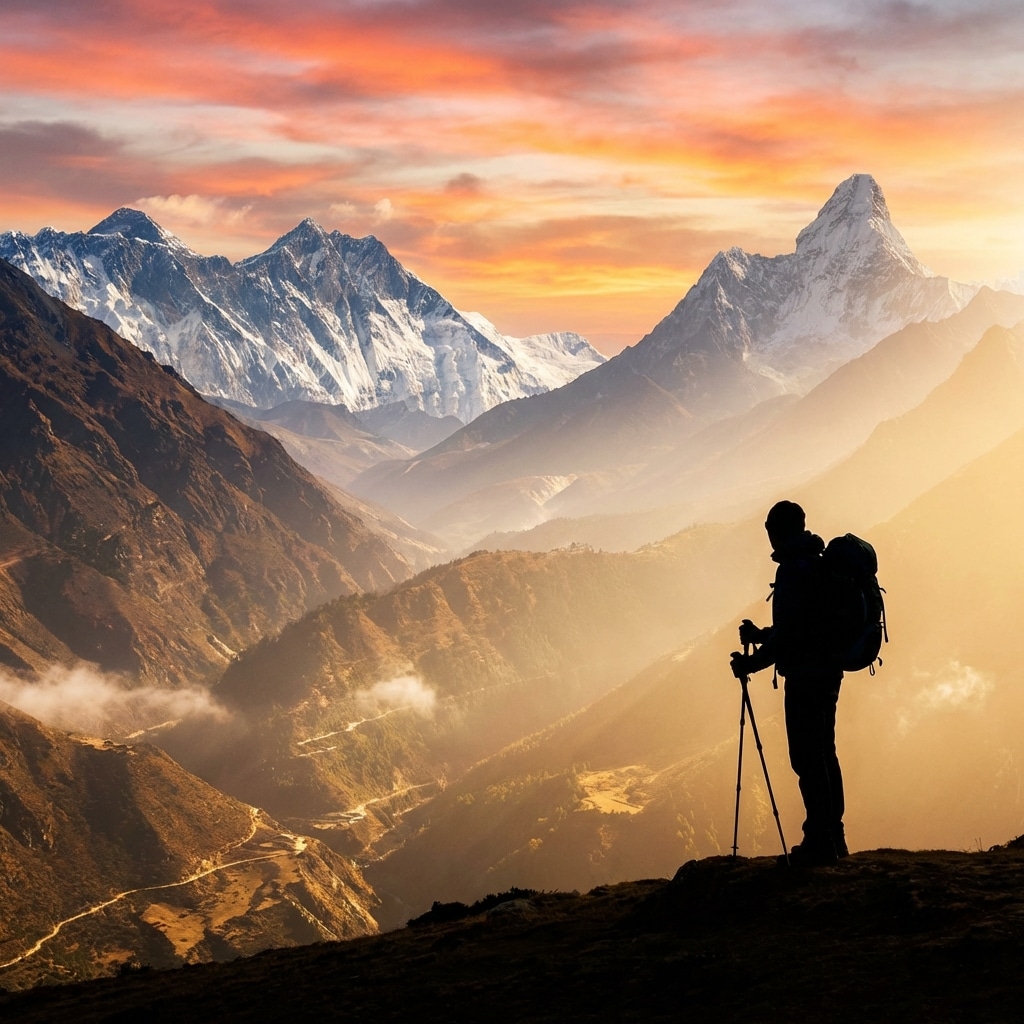
The irresistible allure of dry camping lies in its simplicity and the profound sense of adventure it provides. It’s an opportunity to truly unplug, shedding the distractions of modern life for a raw, unfiltered experience with nature. Imagine serene mountain ranges, tranquil deserts at sunset, or brilliant star-filled skies – all enjoyed in solitude, far from the nearest streetlamp or crowded campsite.
How to Prepare for Your Dry Camping Adventure
Successful dry camping hinges on meticulous preparation. Since you’re bringing everything you need and packing out everything you take, thoughtful planning is paramount.
Planning Your Off-Grid Escape
Before you even pack your bags, research is key. Understand the regulations of your chosen dry camping spot, including any fire restrictions, permit requirements, or length-of-stay limits. Check weather forecasts rigorously, as conditions can change rapidly in remote areas, impacting everything from road accessibility to safety.
Must-Have Dry Camping Gear & Supplies
Your gear list will be a bit more extensive than a typical campground trip. Focus on self-sufficiency for water, power, food, waste, and safety.
Water: This is your most critical resource. Carry ample water for drinking, cooking, and hygiene. Consider large portable water containers, a portable water filter, or a purification system if you have access to natural water sources.
Power: Keep your essential devices charged with reliable off-grid power solutions. Popular options include portable solar panels, battery banks (lithium-ion are excellent), and quiet portable generators for larger needs.
Food: Stock up on non-perishable food items and plan meals that require minimal water and cooking fuel. A portable stove or grill is essential, along with a high-quality cooler to keep perishables fresh.
Waste Management: Following Leave No Trace principles is non-negotiable. Bring plenty of durable trash bags and be prepared to pack out all waste, including food scraps. For human waste, consider a portable toilet or digging catholes appropriately far from water sources.
Safety & Navigation: A comprehensive first aid kit, reliable navigation tools (GPS, detailed maps, and a compass), and emergency communication devices (satellite messenger or personal locator beacon) are critical for remote areas. Don’t forget bear spray or other wildlife deterrents if in relevant habitats.
Optimizing Your Vehicle for Boondocking
Many dry campers utilize RVs, camper vans, or SUVs modified for off-grid living. These vehicles often feature larger fresh and grey water tanks, rooftop solar panels, and enhanced battery systems to support extended stays. Tent campers can also enjoy dry camping by ensuring they have robust shelter, insulated sleeping gear, and smart storage solutions for all their supplies.
Mastering Dry Camping Skills for Responsible Exploration
Beyond the gear, successful dry camping requires a certain mindset and a commitment to responsible outdoor ethics.
Leave No Trace Principles
The foundation of dry camping is respecting the environment. Always follow the seven Leave No Trace principles:
Plan Ahead and Prepare
Travel and Camp on Durable Surfaces
Dispose of Waste Properly
Leave What You Find
Minimize Campfire Impacts
Respect Wildlife
Be Considerate of Other Visitors
Self-Sufficiency & Problem-Solving
Dry camping fosters incredible self-reliance. You’ll quickly learn efficient water conservation techniques, optimal power management, and even basic vehicle or equipment troubleshooting. This constant engagement with your resources and surroundings builds confidence and invaluable outdoor skills.
Why Choose Dry Camping: Unforgettable Benefits
For those willing to embrace the challenge, the rewards of dry camping are immense and deeply personal.
Deepening Your Connection to Nature
Without the distractions of modern life, dry camping allows for a profound immersion in the natural world. This deeper connection often leads to enhanced mindfulness, significant stress relief, and a renewed appreciation for untouched wilderness. You become an observer, attuned to the subtle rhythms of the environment.
Unbeatable Cost Savings
One of the most appealing advantages of dry camping is its affordability. Many dry camping spots on public lands are free or require only minimal fees, making it an incredibly cost-effective alternative to expensive private campgrounds or RV parks. Your adventure dollars stretch further, allowing for longer trips.
Embracing the Challenge of Self-Reliance
For adventurers who relish a test of skill, dry camping is a rewarding proving ground. It cultivates independence, resourcefulness, and problem-solving abilities as you learn to thrive with only what you bring. The satisfaction of a well-executed off-grid trip is a powerful motivator for future expeditions.
Embrace the Wild: Your Dry Camping Journey Awaits
Dry camping offers a unique and enriching outdoor experience that champions simplicity, adventure, and a profound connection with nature. By understanding its principles and preparing adequately, you can unlock a world of remote beauty and personal growth.
Whether you’re a seasoned boondocker or a curious newcomer, dry camping invites you to step off the beaten path and truly embrace the wild. So, gather your gear, plan your route, and prepare to discover the unparalleled satisfaction of self-reliant exploration under an endless sky. Your next great adventure is waiting.