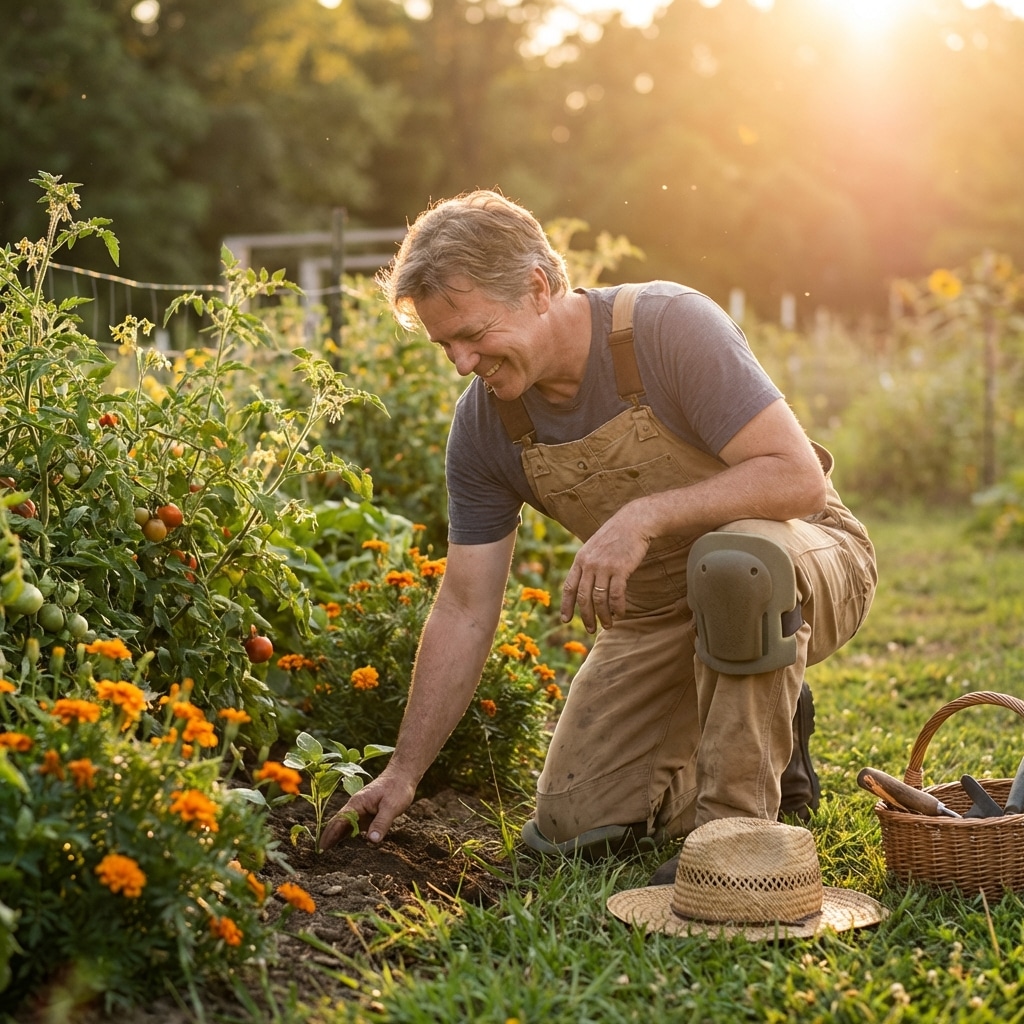
Ever felt a pull towards the earth, a desire to create something beautiful and living with your own hands? Gardening is more than just a pastime; it’s a timeless conversation with nature, a profound practice that nourishes both the land and the soul. Whether you envision a vibrant flower bed, a bountiful vegetable patch, or a cozy urban balcony filled with herbs, starting your gardening journey promises unparalleled rewards.
In a world that constantly rushes, gardening offers a serene escape, a chance to slow down, observe, and engage with the natural cycle of life. It’s an art, a science, and a deeply personal adventure all rolled into one. Ready to dig in and discover what gardening truly is?

What Exactly is Gardening?
At its core, gardening is the intentional cultivation of plants. It’s a branch of horticulture, encompassing everything from growing decorative flowers and shrubs to producing fruits, vegetables, and herbs for consumption. This practice isn’t confined to sprawling backyards; it thrives in diverse environments, from compact container gardens on city patios to expansive greenhouses and community plots.
The beauty of gardening lies in its immense versatility. It’s a spectrum of activities tailored to individual preferences, available space, and local climate. You might find joy in the meticulous art of bonsai, the vibrant sprawl of a wildflower meadow, or the strategic layout of an edible garden. Each gardener’s journey is as unique as the plants they choose to nurture.
The Irresistible Allure: Why We Garden
Why has gardening captivated humanity for centuries? The reasons are as varied as the plants themselves, touching upon our deepest needs for connection, well-being, and purpose.
1. A Deep Connection to Nature
In an increasingly digital world, gardening offers a vital lifeline to the natural realm. It’s an antidote to screen fatigue, inviting us to feel the soil, watch a seedling unfurl, and observe the industrious buzz of pollinators. This direct engagement fosters a profound sense of peace, grounding, and belonging, helping us reconnect with Earth’s rhythms.
2. Boost Your Physical & Mental Health
Think of gardening as a holistic wellness activity. The physical demands of digging, planting, weeding, and watering provide excellent low-impact exercise, improving strength, flexibility, and cardiovascular health. Furthermore, numerous studies highlight gardening’s ability to reduce stress, lower blood pressure, and alleviate symptoms of anxiety and depression. It’s a natural mood booster!
3. A Canvas for Creative Expression
Your garden is your living masterpiece. From selecting plant palettes and designing layouts to arranging decorative elements, every choice reflects your personal aesthetic and creativity. The ever-changing nature of plants ensures your “canvas” is always evolving, offering endless opportunities for imaginative expression and seasonal transformation.
4. Embrace Sustainable Living
Gardening is a powerful step towards a more sustainable lifestyle. Growing your own food significantly reduces your carbon footprint by cutting down on transportation and packaging. Practices like composting kitchen waste, conserving water, and creating pollinator-friendly habitats all contribute to a healthier ecosystem, making your garden a hub of environmental responsibility.
5. The Joy of Fresh, Homegrown Produce
There’s nothing quite like harvesting sun-ripened tomatoes or crisp lettuce from your own garden. Homegrown produce is often more flavorful, nutritious, and free from pesticides. This self-sufficiency provides immense satisfaction and ensures you know exactly where your food comes from.
Exploring the Diverse World of Gardening
Gardening is far from a monolithic activity. Its many forms cater to different interests, spaces, and desired outcomes. Here are some popular types of gardening:
Vegetable Gardening
Focused on cultivating edible plants like tomatoes, peppers, leafy greens, and root vegetables. It’s incredibly rewarding, offering fresh, healthy food and a sense of self-reliance. Methods include traditional in-ground beds, raised beds, and container gardening.
Flower & Ornamental Gardening
Dedicated to growing flowers, shrubs, and trees for aesthetic beauty, fragrance, and to attract beneficial wildlife. This type of gardening transforms spaces into vibrant, colorful havens, ranging from formal perennial borders to wild, informal cottage gardens.
Herb Gardening
Perfect for culinary enthusiasts and those interested in natural remedies. Growing herbs like basil, mint, rosemary, and lavender provides fresh ingredients for cooking, teas, and aromatherapy. Herbs are often compact, making them ideal for windowsills or small outdoor plots.
Container Gardening
An ingenious solution for limited spaces like balconies, patios, or urban apartments. Plants are grown in pots, planters, and other vessels, allowing for flexibility and mobility. Almost any plant, from vegetables to flowers, can thrive in containers with proper care.
Landscape Gardening
Involves the design, planning, and maintenance of outdoor spaces on a larger scale, such as residential estates, public parks, or commercial properties. It blends horticulture with art and architecture to create functional and visually appealing environments.
Urban & Vertical Gardening
Innovating green spaces within city environments. Urban gardening utilizes rooftops, community plots, and small yards. Vertical gardening maximizes space by growing plants upwards on walls or specialized structures, bringing greenery to even the densest urban areas.
Your First Steps to Gardening Success
Feeling inspired to get your hands dirty? Starting a garden is simpler than you might imagine. Follow these practical steps to embark on your rewarding gardening adventure:
1. Choose Your Ideal Location
Observe your space throughout the day. Most plants, especially vegetables and many flowers, require at least 6-8 hours of direct sunlight. Select a spot that offers ample sun, good drainage, and easy access for watering and tending.
2. Decide What You Want to Grow
Start small and choose plants suited to your climate and experience level. Beginners often find success with hardy vegetables like tomatoes, zucchini, or lettuce, and resilient flowers such as marigolds, zinnias, or sunflowers. Research what thrives in your local area.
3. Prepare Your Soil Foundation
Healthy soil is the bedrock of a thriving garden. If you’re starting an in-ground bed, amend your soil with generous amounts of compost or well-rotted manure to improve its structure, fertility, and drainage. For containers, use a high-quality potting mix.
4. Plant with Care & Intention
Whether you’re sowing seeds or transplanting seedlings, follow specific guidelines for spacing and depth. Give your plants enough room to grow and ensure they receive an initial deep watering. Consider companion planting to naturally deter pests and boost growth.
5. Nurture, Observe, and Learn
Gardening is an ongoing process of care and observation. Regular watering (especially during dry spells), weeding to reduce competition, and monitoring for pests are crucial. Be patient; every garden has its challenges, but each one offers a valuable learning opportunity.
Conclusion: Embrace Your Green Journey
Gardening transcends a mere hobby; it’s a profound engagement with life itself. It offers a unique blend of physical activity, mental tranquility, creative expression, and a tangible connection to the natural world. From the smallest pot of basil to a sprawling backyard sanctuary, every act of gardening contributes to a greener, more beautiful, and sustainable planet.
So, why wait? Grab a trowel, choose your favorite seeds, and embark on your own gardening adventure today. The rewards—fresh produce, vibrant blooms, and an undeniable sense of accomplishment—are truly boundless.